U.S. CBP and FDA Seize 165,000 Illicit E-Cigarette Products; Total Value Exceeds $1.47 Million

Sep.30.2025
U.S. CBP and FDA Seize 165,000 Illicit E-Cigarette Products; Total Value Exceeds $1.47 Million
U.S. Customs and Border Protection (CBP) seized approximately 165,000 illicit vaping products—including 90,000 e-cigarette devices and 75,000 refill cartridges—valued at over $1.47 million (MSRP). Following a joint assessment with the U.S. Food and Drug Administration (FDA), the products were deemed “adulterated and misbranded” for lacking required premarket authorization and were seized in accordance with the Federal Food, Drug, and Cosmetic Act (FD&C Act). The shipments, which featured multipl

Key Points


  • Seizure scale: 165,000 units in total—90,000 ENDS devices and 75,000 refill cartridges—with an MSRP exceeding $1.47 million.


  • Nature of violations: Lack of FDA premarket authorization (PMTA); products deemed “adulterated and misbranded” under the FD&C Act.


  • Flavors involved: Blue Razz, Iced Lush, Blue Lightning, Gum Mint, Turkish Tobacco, Classic Tobacco, among others.


  • Related enforcement: Intelligence support from CBP’s Chicago Field Office aided the interdiction; earlier Chicago operations seized about 4.7 million units (valued at ~$86.5 million), and last week the DOJ and FDA reported over 2.1 million illicit vaping products seized nationwide.


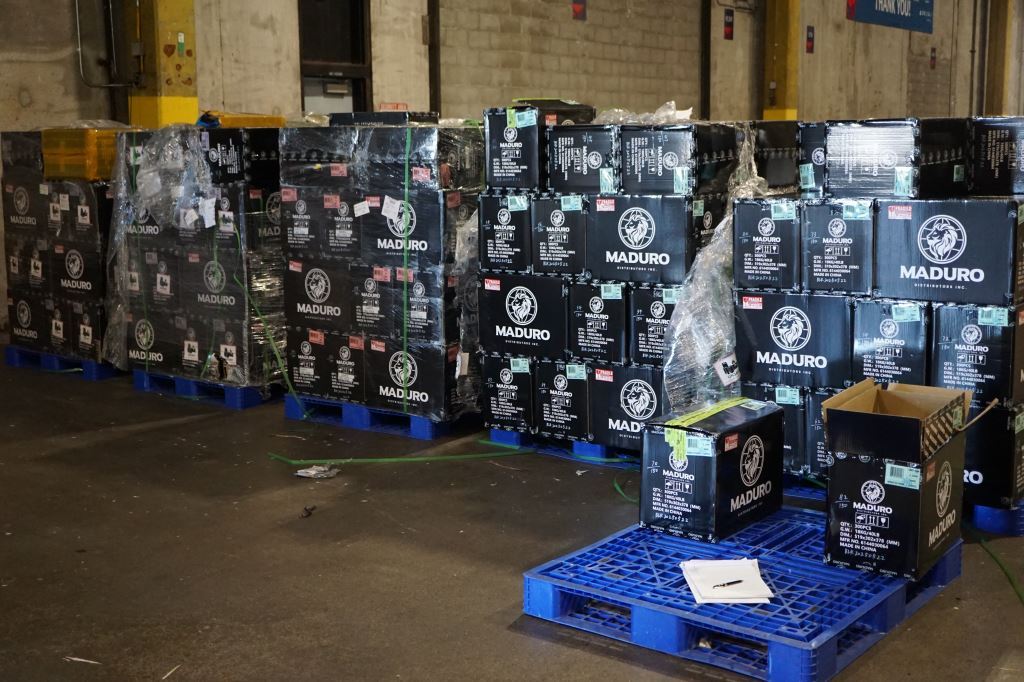
2Firsts, September 29, 2025 — U.S. Customs and Border Protection (CBP) announced that officers in the Minneapolis–St. Paul area recently inspected multiple pallets and discovered roughly 165,000 e-cigarette devices and refill cartridges—comprising 90,000 devices and 75,000 cartridges.


After a joint evaluation by CBP and the U.S. Food and Drug Administration (FDA), the products were determined to lack the FDA’s required premarket authorization and therefore cannot be legally sold in the United States. They were further classified as “adulterated” and “misbranded” under the FD&C Act and seized accordingly. The Manufacturer’s Suggested Retail Price (MSRP) for the shipments is estimated to exceed $1.47 million. All consignments reportedly originated in China and were destined for a wholesaler in California.
 

U.S. CBP and FDA Seize 165,000 Illicit E-Cigarette Products; Total Value Exceeds $1.47 Million
Image source: cbp.gov


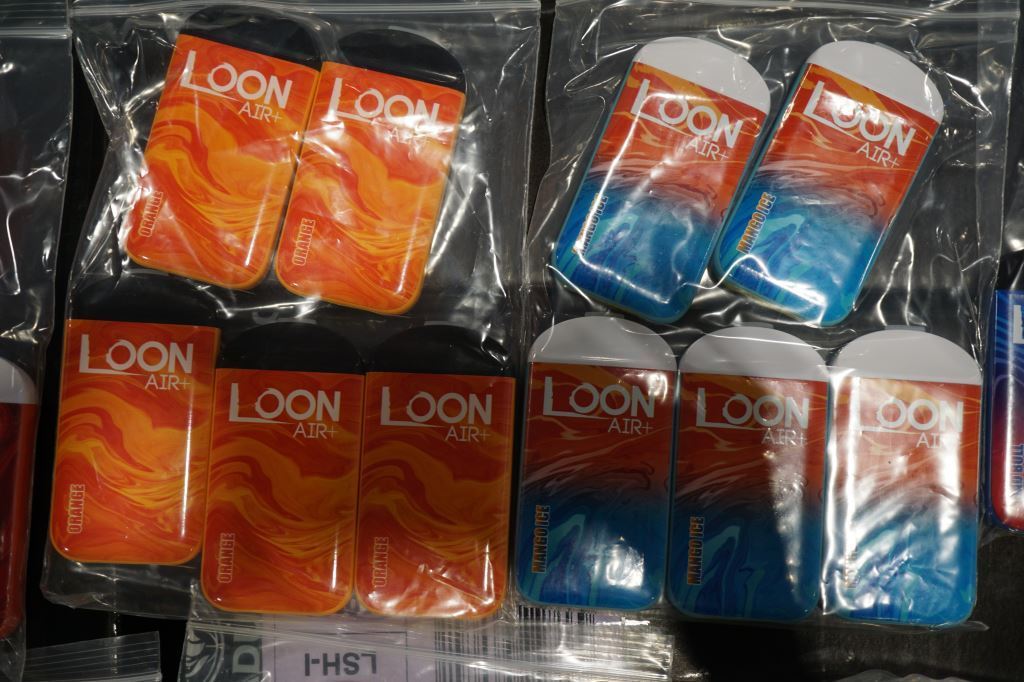
CBP noted that the interdiction benefited from intelligence sharing with the Chicago Field Office. The seized items included a variety of flavors such as Blue Razz, Iced Lush, Blue Lightning, Gum Mint, Turkish Tobacco, and Classic Tobacco. CBP said it will continue working with the FDA and other partners to identify and seize unsafe and illicit goods, and reminded importers and e-commerce buyers to ensure their purchases and importations comply with federal and state regulations.
 

U.S. CBP and FDA Seize 165,000 Illicit E-Cigarette Products; Total Value Exceeds $1.47 Million
Image source: cbp.gov


Federal agencies have recently intensified enforcement nationally. Earlier this month, CBP, the U.S. Department of Health and Human Services (HHS), and the FDA conducted a joint operation in Chicago that seized approximately 4.7 million unauthorized e-cigarettes valued at about $86.5 million. Last week, the U.S. Department of Justice (DOJ) and FDA also announced coordinated actions across seven states that resulted in the seizure of more than 2.1 million illicit vaping products. (Read more: Largest E-Cigarette Seizure in U.S. History: Over 600,000 Products Confiscated from Midwest Goods Warehouse; Company Denies Violations, Calls FDA “Unfair”)


We welcome news tips, article submissions, interview requests, or comments on this piece.

Please contact us at info@2firsts.com, or reach out to Alan Zhao, CEO of 2Firsts, on LinkedIn


Notice

1.  This article is intended solely for professional research purposes related to industry, technology, and policy. Any references to brands or products are made purely for objective description and do not constitute any form of endorsement, recommendation, or promotion by 2Firsts.

2.  The use of nicotine-containing products — including, but not limited to, cigarettes, e-cigarettes, nicotine pouchand heated tobacco products — carries significant health risks. Users are responsible for complying with all applicable laws and regulations in their respective jurisdictions.

3.  This article is not intended to serve as the basis for any investment decisions or financial advice. 2Firsts assumes no direct or indirect liability for any inaccuracies or errors in the content.

4.  Access to this article is strictly prohibited for individuals below the legal age in their jurisdiction.


Copyright


This article is either an original work created by 2Firsts or a reproduction from third-party sources with proper attribution. All copyrights and usage rights belong to 2Firsts or the original content provider. Unauthorized reproduction, distribution, or any other form of unauthorized use by any individual or organization is strictly prohibited. Violators will be held legally accountable.

For copyright-related inquiries, please contact: info@2firsts.com


AI Assistance Disclaimer


This article may have been enhanced using AI tools to improve translation and editorial efficiency. However, due to technical limitations, inaccuracies may occur. Readers are encouraged to refer to the cited sources for the most accurate information.

We welcome any corrections or feedback. Please contact us at: info@2firsts.com

U.S. Fifth Circuit Vacates NicQuid Vape MDO, Says FDA Comparative-Efficacy Standard Violated APA Procedures
According to VitalLaw on August 27, 2026, the U.S. Court of Appeals for the Fifth Circuit vacated an FDA marketing denial order (MDO) against NicQuid LLC, ruling that the agency’s comparative-efficacy standard for electronic nicotine delivery system (ENDS) applications had become a substantive rule requiring notice-and-comment rulemaking under the Administrative Procedure Act (APA). The court did not reject FDA’s authority to compare the public health benefits and risks of flavored vapes, but held that the agency could not establish a broadly binding standard through informal adjudications. The case was remanded to FDA for further proceedings.
Aug.28
R.J. Reynolds Vapor Company Launches Flavored Vuse Pro Pods in U.S. Without FDA Marketing Authorization
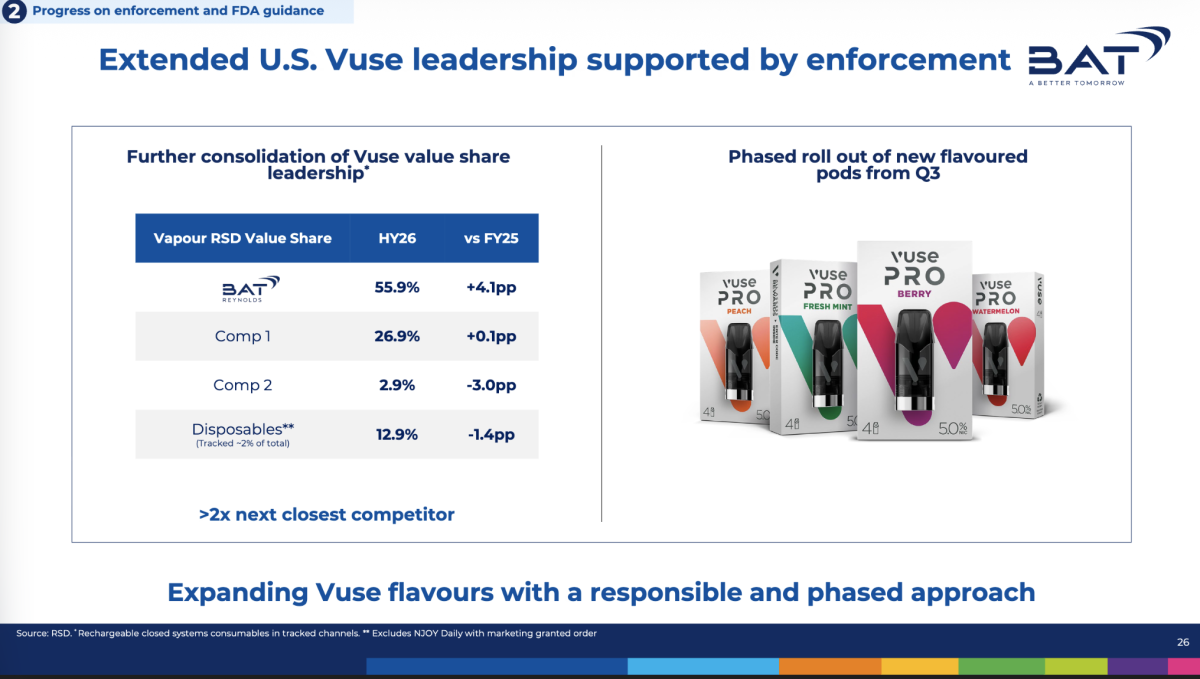
R.J. Reynolds Vapor Company has begun selling four flavored Vuse Pro pods — Peach, Berry, Watermelon and Fresh Mint — in Ohio and selected other U.S. markets. According to the Vuse U.S. FAQ, Vuse Pro contains approximately 5.0% nicotine by weight, and Vuse Pro pre-filled pods are intended for use with Vuse Alto devices. Reynolds told 2Firsts that product labeling lists an e-liquid capacity of 2.0 mL per pod. The Vuse Alto Power Unit received FDA marketing authorization in 2024, while the new Vuse Pro pods themselves have not received marketing granted orders. The rollout follows the FDA’s May 2026 revision of enforcement priorities for certain unauthorized vaping products with qualifying pending applications.
BAT
Sep.10
Australia Adds 6-Methylnicotine to Schedule 9 Prohibited Substances, Effective October 1
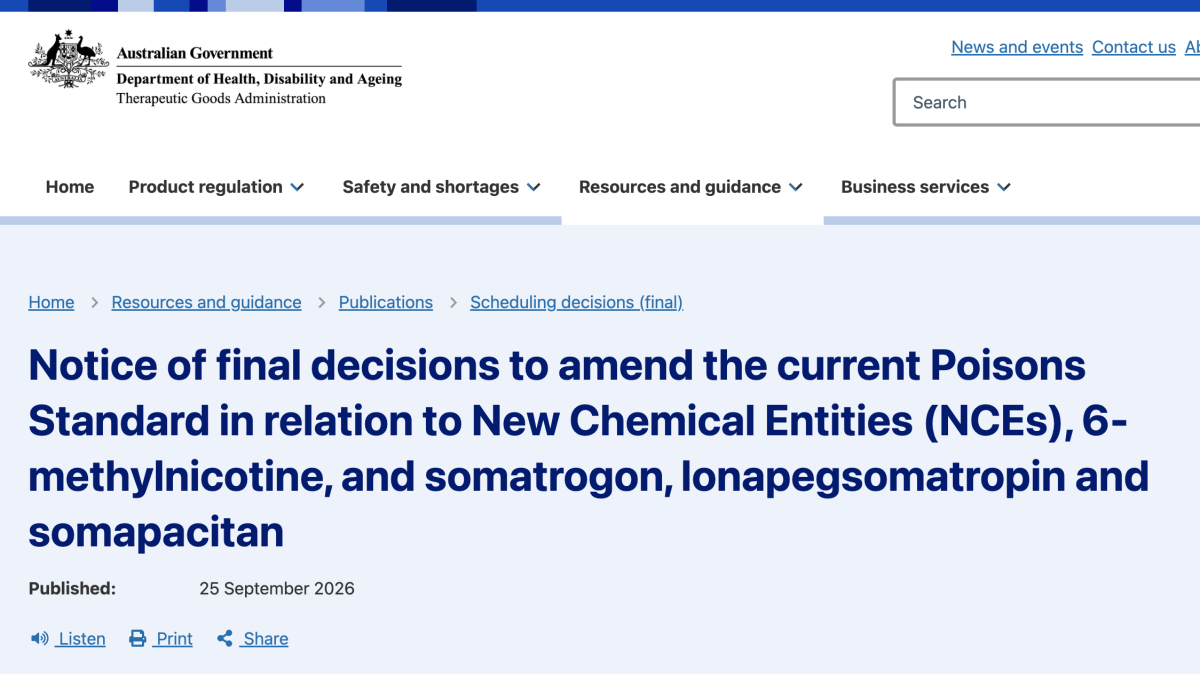
Australia's Therapeutic Goods Administration published a final decision on September 25 to classify 6-methylnicotine as a Schedule 9 prohibited substance under the Poisons Standard, effective October 1, 2026. TGA said the chemical has been reported in e-cigarette liquids sold in Australia and marketed as nicotine-free or nicotine alternatives, while evidence also indicates its use in preparations such as oral pouches. The government originally proposed a Schedule 7 classification but ultimately adopted the stricter Schedule 9 designation, citing acute toxicity, dependence risk, use in unapproved consumer products and misleading marketing.
News
Sep.29 by 2Firsts Perspectives
Reuters Tracks Big Tobacco’s Shift Beyond Cigarettes as Nicotine Pouches Vie for the Next Growth Curve
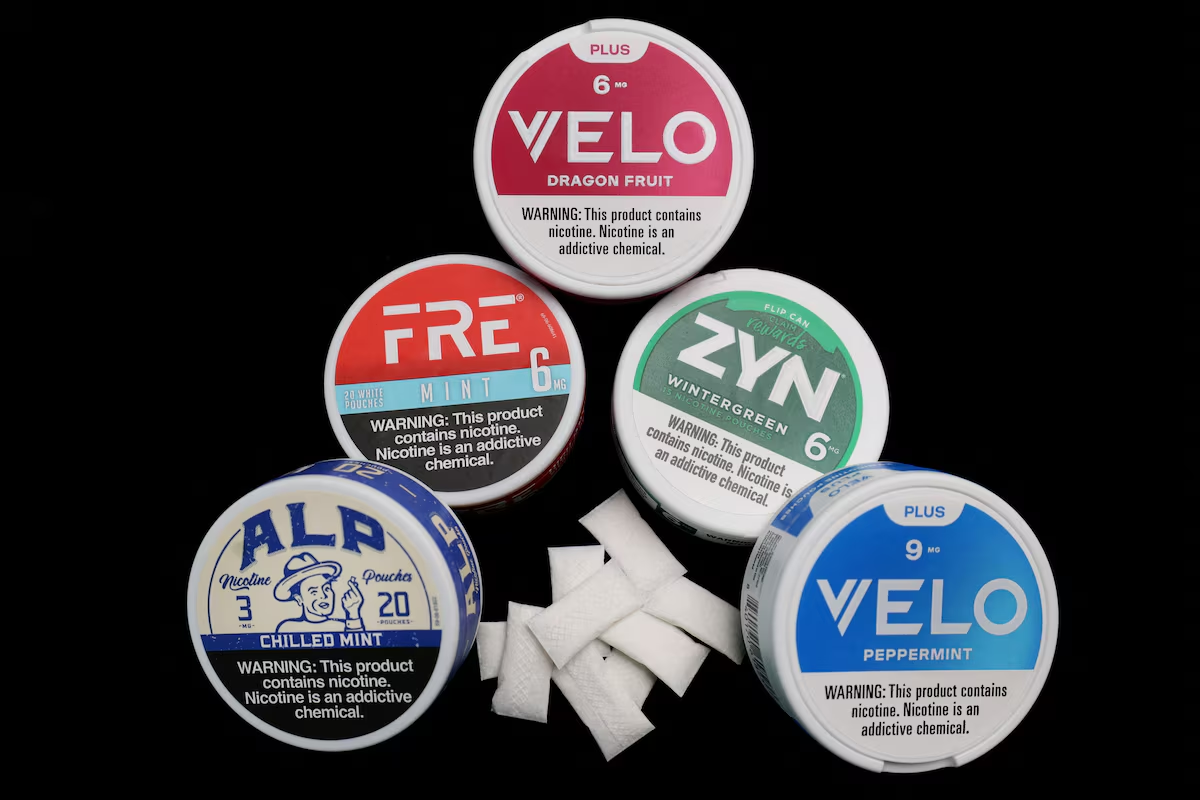
As cigarette markets face long-term pressure, major tobacco companies are increasingly turning to nicotine pouches in search of growth beyond combustible tobacco. Reuters has examined whether nicotine pouches can become the next strategic growth platform for companies including Philip Morris International, British American Tobacco and Japan Tobacco. PMI strengthened its position through the acquisition of Swedish Match and its ZYN brand, while BAT and JTI continue expanding their own nicotine pouch portfolios. The category has gained attention because of its smoke-free, device-free format, but regulation, youth-use concerns and market scale will determine whether it can become a long-term growth engine.
Regulations
Aug.18 by 2Firsts Perspectives
FDA Authorizes JUUL2, Cites Adult Switching Amid Efforts to Speed PMTA Reviews
The FDA authorized the JUUL2 device and tobacco- and menthol-flavored pods on Aug. 28, bringing the number of authorized e-cigarette products to 48. The agency highlighted complete switching among adult smokers, with six-week switching rates reaching 28.4%–49.3% for the menthol pod. The decision comes as FDA works to speed PMTA reviews, reduce application backlogs and expand authorized e-cigarette and nicotine-pouch products while maintaining enforcement priorities for unauthorized products.
Regulations
Aug.29
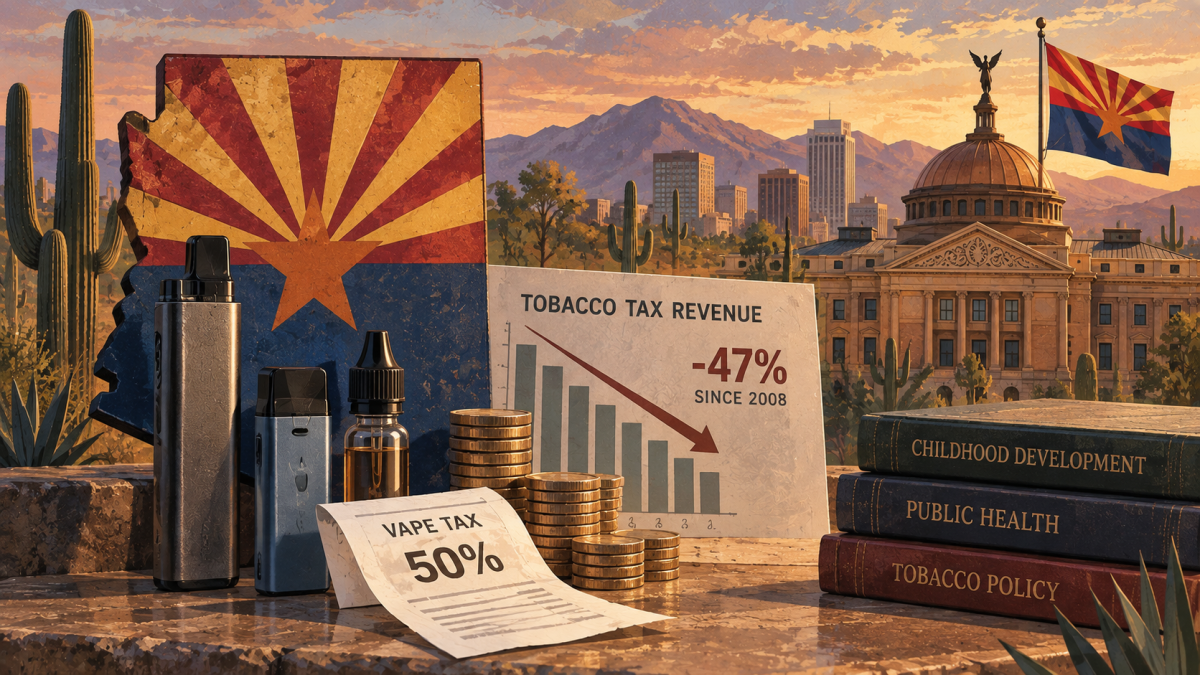
Arizona Turns to a 50% Retail Vape Tax as Tobacco Tax Revenue Falls 47% From 2008
Arizona's First Things First is pushing for an excise tax equal to 50% of the retail price of vaping products, estimating that the measure could generate about $100 million annually. The agency says its tobacco-tax revenue has fallen 47% from 2008 levels. Arizona has attempted to broaden its nicotine tax base in each of the past two years: a 2025 bill proposed a 50% wholesale-price tax, while a 2026 measure shifted to a 50% retail-price tax covering alternative nicotine products and vapor products. Separately, the state enacted HB 4001 this year to establish a new licensing and sales framework for alternative nicotine products.
Sep.21