Key Points
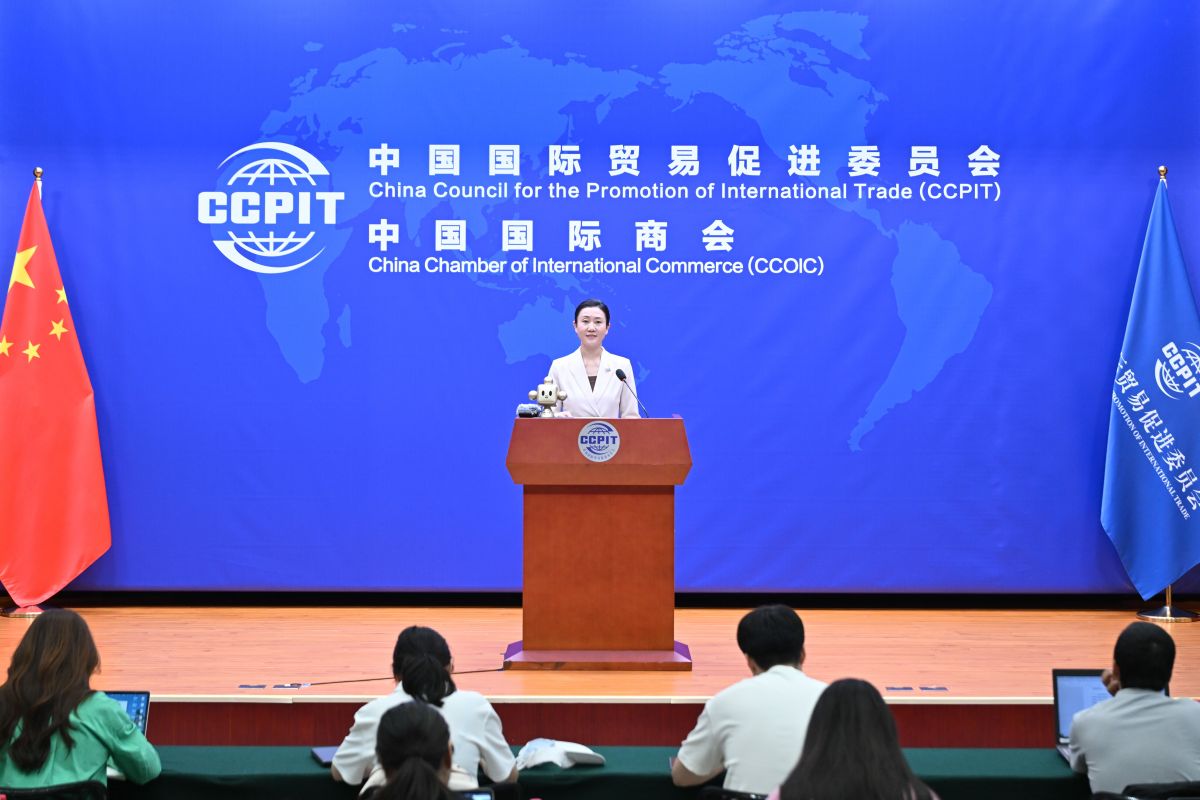
- CCPIT held its July regular press conference on July 31, 2026, releasing the May Global Economic and Trade Friction Index.
- The global trade friction index stood at 95 in May, at a medium-to-high level.
- The electronics sector recorded the highest trade friction index among 13 major industries.
- China-related trade friction index stood at 93, down 14 points from the previous month.
- CCPIT said electronics products including drones, chips and vape products were among areas with elevated China-related trade friction.
Main Text
2Firsts
August 3, 2026
According to the July regular press conference held by the China Council for the Promotion of International Trade (CCPIT) on July 31, 2026, CCPIT spokesperson Yang Fan released the May 2026 Global Economic and Trade Friction Index and provided an overview of recent trade friction developments.
Yang said the global trade friction index stood at 95 in May, remaining at a medium-to-high level. Measures related to global trade frictions involved amounts that declined 9.7% year on year and 14.7% month on month.
By industry, CCPIT said trade friction measures were mainly concentrated in the electronics and transportation equipment sectors among 13 monitored industries, with the electronics sector recording the highest trade friction index. Some electronics products, including vape products, were included in China-related trade friction analysis.
CCPIT Releases May Global Trade Friction Index
CCPIT held its July regular press conference on July 31, 2026, releasing the May Global Economic and Trade Friction Index.
According to CCPIT, among 20 monitored countries and regions, India, the United States and Mexico recorded the highest global trade friction indexes.
The United States recorded the largest amount involved in global trade friction measures, launching 17 trade remedy investigations, more than three times the combined number of related measures initiated by other countries during the same period.
By measure category, the 20 monitored countries and regions issued:
- 28 import and export tariff measures;
- 22 trade remedy investigations;
- 120 WTO technical barriers to trade (TBT) notifications and sanitary and phytosanitary (SPS) notifications;
- 10 import and export restriction measures;
- 265 other restrictive measures.
CCPIT said the index for other restrictive measures ranked first among the five categories of trade friction measures.
Electronics Sector Becomes Key Trade Friction Area
CCPIT data showed that the electronics sector recorded the highest trade friction index among 13 major monitored industries.
The organization said trade friction measures were mainly concentrated in the electronics and transportation equipment sectors.
For China-related trade frictions, the index stood at 93 in May, remaining at a medium-to-high level and declining 14 points from the previous month.
CCPIT said India recorded the highest China-related trade friction index.
The organization added that electronics sector products including drones, chips and vape products were among areas where China-related trade friction remained elevated.
Vape Products Included in Electronics Sector Trade Friction Analysis
According to CCPIT’s release, vape products were listed alongside drones and chips among electronics-related products involved in China-related trade friction analysis.
However, CCPIT did not separately disclose:
- specific trade measures involving vape products;
- countries involved;
- financial impact;
- individual cases.
The available information indicates that vape products were included as part of broader electronics sector trade friction analysis.
Global Trade Environment Creates New Considerations for Vape Companies
CCPIT’s latest release shows that the electronics sector has become a significant area of global trade friction.
For vape companies operating internationally, changes in trade policies, technical standards, market access requirements and related restrictions may become important external factors affecting overseas operations.
However, CCPIT’s release focused on macro-level trade friction indicators and did not provide a separate assessment of future trade trends for the vape industry.
Follow 2Firsts for the latest updates on global tobacco and nicotine regulation, industry developments and market trends.
Cover Image source: China Council for the Promotion of International Trade
Disclaimer
This article is provided solely for professional research, industry discussion, and informational purposes. Any references to brands, companies, products, technologies, or policies are made for factual reporting and analytical purposes only, and do not constitute endorsement, recommendation, promotion, or advertising by 2Firsts.
Nicotine-containing products, including but not limited to cigarettes, e-cigarettes, heated tobacco products, and nicotine pouches, carry significant health risks. Readers are responsible for complying with all applicable laws and regulations in their respective jurisdictions, including age restrictions and access limitations.
The information contained in this article should not be regarded as investment, legal, medical, regulatory, or commercial advice. While 2Firsts strives to ensure the accuracy and reliability of its content, it does not assume liability for any direct or indirect loss arising from errors, omissions, inaccuracies, or reliance on the information contained herein.
This article is not intended for individuals below the legal age for accessing tobacco or nicotine-related information in their jurisdiction.
Copyright Notice
This article is either original content produced by 2Firsts or content reproduced, translated, summarized, or adapted from third-party sources with attribution where applicable. The intellectual property rights of the original content remain with 2Firsts or the respective original rights holders.
No individual or organization may copy, reproduce, distribute, republish, modify, translate, or otherwise use this content without prior authorization. Any unauthorized use may result in legal action.
For copyright-related inquiries, corrections, or removal requests, please contact: info@2firsts.com.
AI-Assisted Translation and Editing Notice
Portions of this article may have been translated, edited, or reviewed with the assistance of artificial intelligence tools to improve efficiency and readability. Due to the limitations of AI-assisted translation and editing, discrepancies, omissions, or inaccuracies may exist when compared with the original source.
Where applicable, readers are advised to refer to the original source for the most complete and accurate information. If you identify any errors or believe that any content infringes upon your rights, please contact us at info@2firsts.com, and we will review and address the matter promptly.