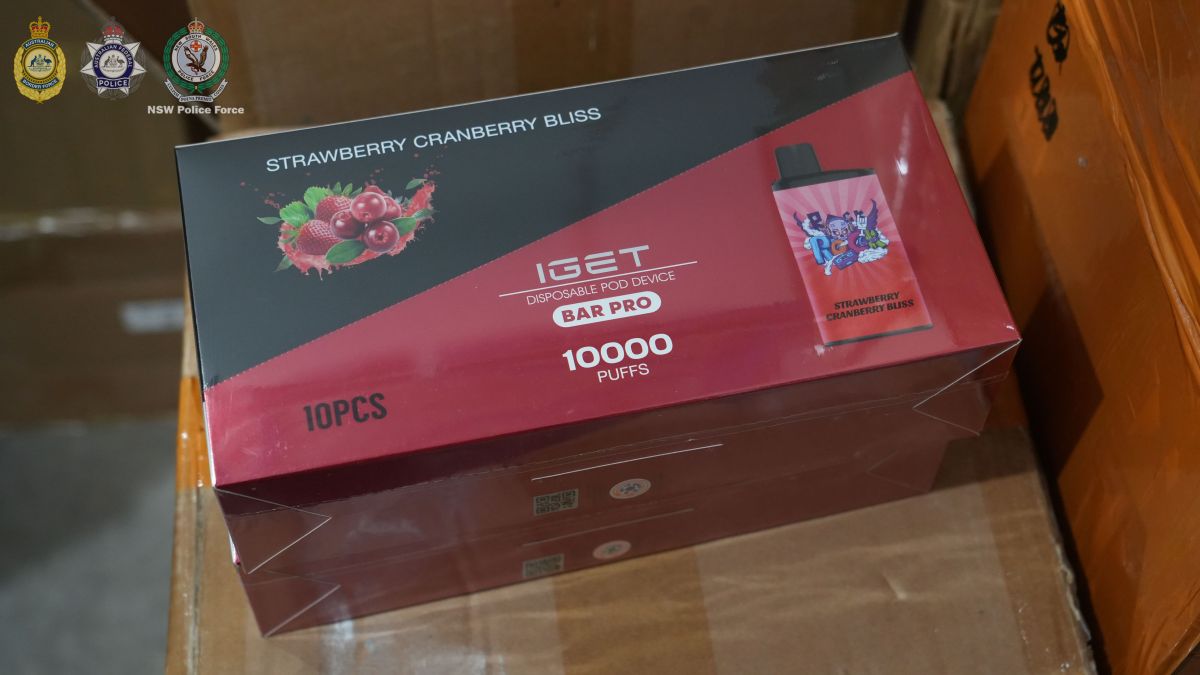
Derek Peterson, a government official from New Zealand, expressed great interest and concern over reading "The Decline of Teen E-cigarette Products Since 2019". As the CEO of Soter Technologies since 2017, he has been at the forefront of the e-cigarette epidemic and has worked with schools and advocates dedicated to protecting young people from the harmful health risks associated with e-cigarettes.
According to reports, the decline in youth e-cigarette use may be attributed to the government's response to the COVID-19 pandemic. The closure of schools, lockdowns, and mandatory remote learning resulting from the pandemic has forced students to learn from home, causing many to experience high levels of stress due to isolation.
According to parents, school officials, and supervisors with whom I work, it is evident that youth e-cigarette usage has resurfaced in the spring term of 2022 and may be worse than it was in 2019. School administrators are urgently seeking ways to prevent young people from smoking e-cigarettes and becoming addicted to nicotine.
According to industry media in the electronic cigarette sector, the market is worth around $6.1 billion and is expected to grow by 27% by 2028. Many major tobacco companies have ownership stakes or investments in e-cigarette devices and liquid/juice manufacturers. These companies are aware that their nicotine products can be very addictive and are targeting young people.
The New Zealand government has issued a statement expressing appreciation for the potential decrease in the use of electronic cigarettes among young people. However, officials emphasize the continued need to educate both young people and parents about the harmful effects e-cigarettes can have on developing bodies. Despite some positive trends, millions of young people continue to use e-cigarettes and harm themselves as a result. Tragically, some young people have already lost their lives to this habit, and more are likely to follow.
Statement
This article is compiled from third-party information and is intended for industry professionals for discussion and learning purposes.
This article does not represent the views of 2FIRSTS and 2FIRSTS cannot confirm the authenticity or accuracy of the content. The translation of this article is intended solely for industry exchange and research purposes.
Due to limitations in our ability to translate, the translation in this article may not accurately reflect the original text. Please refer to the original text for accuracy.
In regards to any domestic issues, as well as situations involving Hong Kong, Macau, and Taiwan, as well as foreign relations, 2FIRSTS maintains complete alignment with the Chinese government.
The copyrights of the compiled information belong to the original media and authors. If there is any infringement, please contact us for deletion.
Disclaimer
This article is provided solely for professional research, industry discussion, and informational purposes. Any references to brands, companies, products, technologies, or policies are made for factual reporting and analytical purposes only, and do not constitute endorsement, recommendation, promotion, or advertising by 2Firsts.
Nicotine-containing products, including but not limited to cigarettes, e-cigarettes, heated tobacco products, and nicotine pouches, carry significant health risks. Readers are responsible for complying with all applicable laws and regulations in their respective jurisdictions, including age restrictions and access limitations.
The information contained in this article should not be regarded as investment, legal, medical, regulatory, or commercial advice. While 2Firsts strives to ensure the accuracy and reliability of its content, it does not assume liability for any direct or indirect loss arising from errors, omissions, inaccuracies, or reliance on the information contained herein.
This article is not intended for individuals below the legal age for accessing tobacco or nicotine-related information in their jurisdiction.
Copyright Notice
This article is either original content produced by 2Firsts or content reproduced, translated, summarized, or adapted from third-party sources with attribution where applicable. The intellectual property rights of the original content remain with 2Firsts or the respective original rights holders.
No individual or organization may copy, reproduce, distribute, republish, modify, translate, or otherwise use this content without prior authorization. Any unauthorized use may result in legal action.
For copyright-related inquiries, corrections, or removal requests, please contact: info@2firsts.com.
AI-Assisted Translation and Editing Notice
Portions of this article may have been translated, edited, or reviewed with the assistance of artificial intelligence tools to improve efficiency and readability. Due to the limitations of AI-assisted translation and editing, discrepancies, omissions, or inaccuracies may exist when compared with the original source.
Where applicable, readers are advised to refer to the original source for the most complete and accurate information. If you identify any errors or believe that any content infringes upon your rights, please contact us at info@2firsts.com, and we will review and address the matter promptly.