Key Points:
1.E-liquid will be taxed for the first time at a rate of 0.20 euros ($0.23) per milliliter.
2.The e-cigarette industry has expressed concerns that the new tax will cause e-liquid prices to increase by 100%-500%, potentially killing the entire market.
3.The government expects the new tax to generate 74.7 million euros ($86.27 m) in revenue.
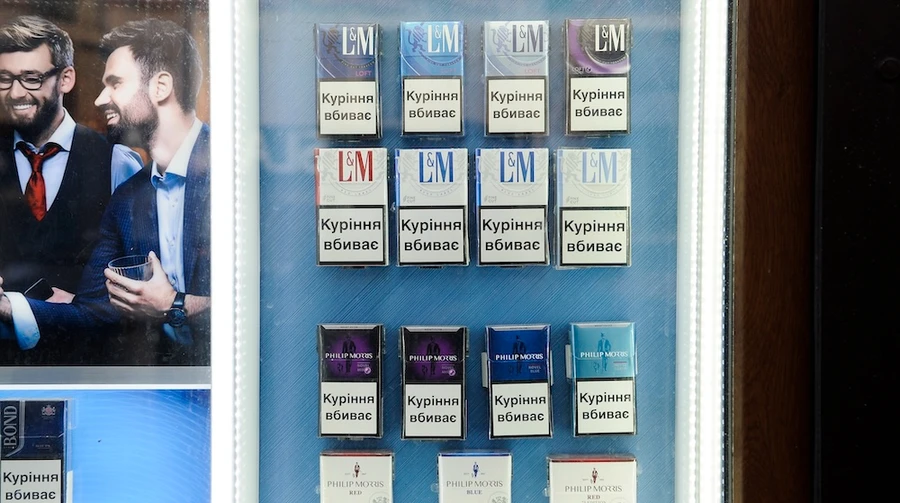
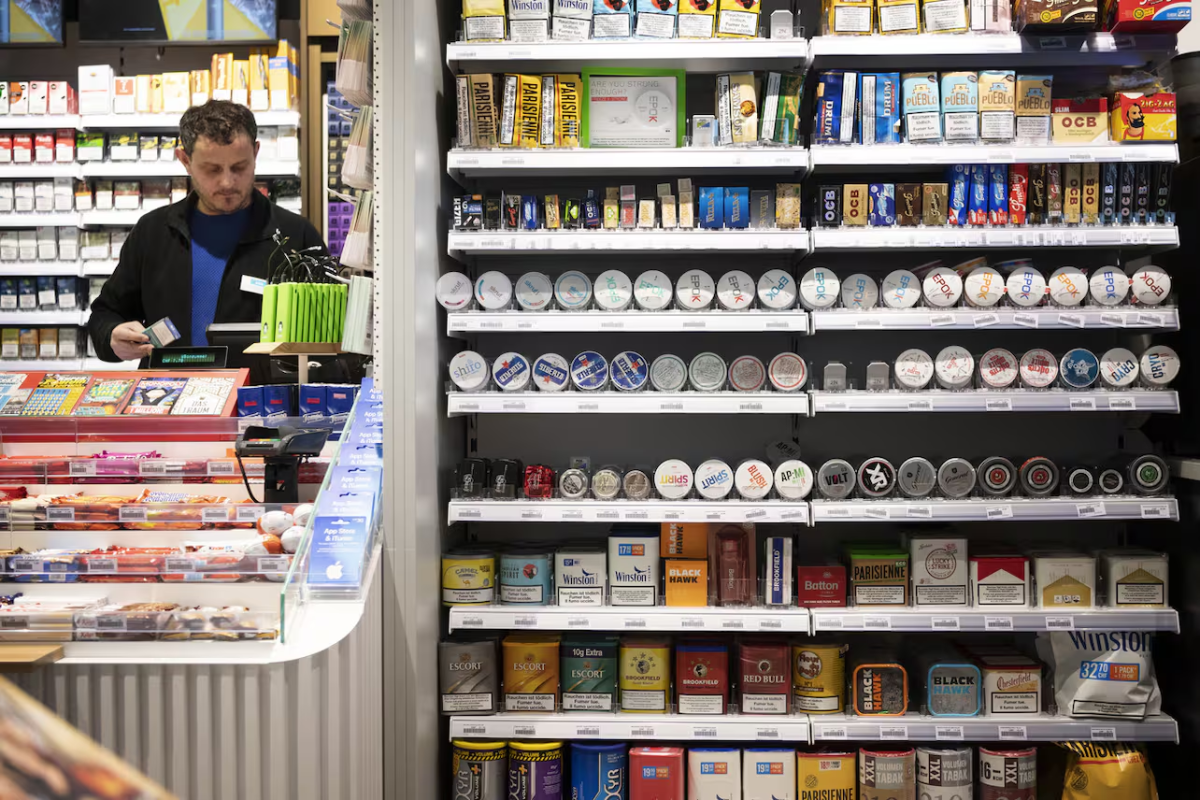
According to a report by Croatian newspaper Lider on June 12th, Croatia has announced the imposition of a consumption tax on e-liquids used in e-cigarettes, causing concern among traders of such tobacco products. In an effort to further fill the budget gap, the government has decided to once again increase the consumption tax on tobacco products after a year, now including the increasingly popular e-cigarettes for the first time. On June 11th, a draft regulation on the tax rates for tobacco products and tobacco consumption tax was submitted for public consultation, under which the consumption tax rates for cigarettes and the minimum consumption tax rate will be raised. This regulation will come into effect on July 1st.
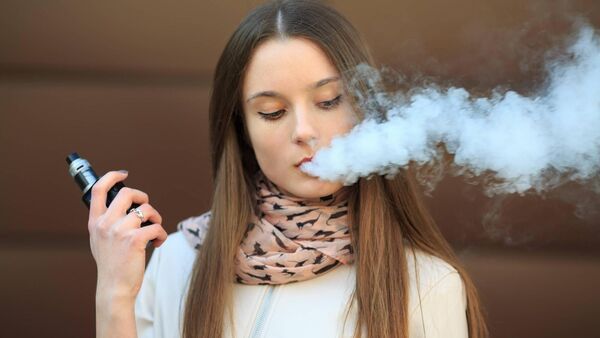
The new regulation introduces a consumption tax on e-liquid. Previously, these e-liquids were within the scope of the consumption tax, but the tax rate was zero euros. Now, the consumption tax on e-liquid will be 0.20 euros ($0.23) per milliliter. Starting in early July, the consumption tax on heated tobacco will increase from 185.82 euros ($222) per kilogram to 198.50 euros ($226), and the consumption tax on "novel tobacco products" will increase from 114.15 euros ($132) per kilogram to 120.50 euros ($138).
For most traders operating in this tobacco products sector, imposing consumption tax on e-liquid would mean the end of their business, said board member Filip Tokic. According to the proposed amounts, the price of e-liquid could increase by 100% to 500%. For example, a bottle of e-liquid that previously sold for 10 euros ($11) would now have to be sold for 40 euros ($46). Few people would be willing to purchase a product at such an uncompetitive price. Another issue is that there has been no guidance from the Ministry of Finance yet, so it is unclear whether the consumption tax must also be calculated for existing stock after the regulations take effect on July 1st, or only for new stock.
According to government estimates, the increase in specific excise taxes on cigarettes and minimum excise taxes, as well as the increase in other tobacco products and tobacco product taxes, will bring an additional income of 74.7 million euros ($86.27m) to the national budget. It is worth noting that tobacco product taxes are one of the main sources of income for the national budget, and due to the relatively stable consumption of tobacco, this revenue is also quite predictable.
The government has explained that:
"In addition to the financial benefits, increasing tobacco consumption taxes can also bring health benefits, reduce tobacco consumption, and comply with international obligations within the framework of the World Health Organization."
However, Philip Togic believes that from a public health perspective, its effects may actually be the opposite.
For decades, Croatia has struggled to successfully curb smoking, but has finally seen tangible positive results with a significant decrease in the number of smokers. However, the introduction of a consumption tax is expected to lead to a resurgence in tobacco consumption, giving rise to a large unregulated black market for tobacco products, which could have disastrous consequences for public health. Every year, 14,000 people die from smoking-related illnesses, and it is estimated that the cost of treating smoking-related diseases exceeds 700 million euros ($800 m) annually. Tocic points out that this is a regrettable and destructive policy of the Republic of Croatia government.
We welcome news tips, article submissions, interview requests, or comments on this piece.
Please contact us at info@2firsts.com, or reach out to Alan Zhao, CEO of 2Firsts, on LinkedIn
Notice
1. This article is intended solely for professional research purposes related to industry, technology, and policy. Any references to brands or products are made purely for objective description and do not constitute any form of endorsement, recommendation, or promotion by 2Firsts.
2. The use of nicotine-containing products — including, but not limited to, cigarettes, e-cigarettes, nicotine pouchand heated tobacco products — carries significant health risks. Users are responsible for complying with all applicable laws and regulations in their respective jurisdictions.
3. This article is not intended to serve as the basis for any investment decisions or financial advice. 2Firsts assumes no direct or indirect liability for any inaccuracies or errors in the content.
4. Access to this article is strictly prohibited for individuals below the legal age in their jurisdiction.
Copyright
This article is either an original work created by 2Firsts or a reproduction from third-party sources with proper attribution. All copyrights and usage rights belong to 2Firsts or the original content provider. Unauthorized reproduction, distribution, or any other form of unauthorized use by any individual or organization is strictly prohibited. Violators will be held legally accountable.
For copyright-related inquiries, please contact: info@2firsts.com
AI Assistance Disclaimer
This article may have been enhanced using AI tools to improve translation and editorial efficiency. However, due to technical limitations, inaccuracies may occur. Readers are encouraged to refer to the cited sources for the most accurate information.
We welcome any corrections or feedback. Please contact us at: info@2firsts.com