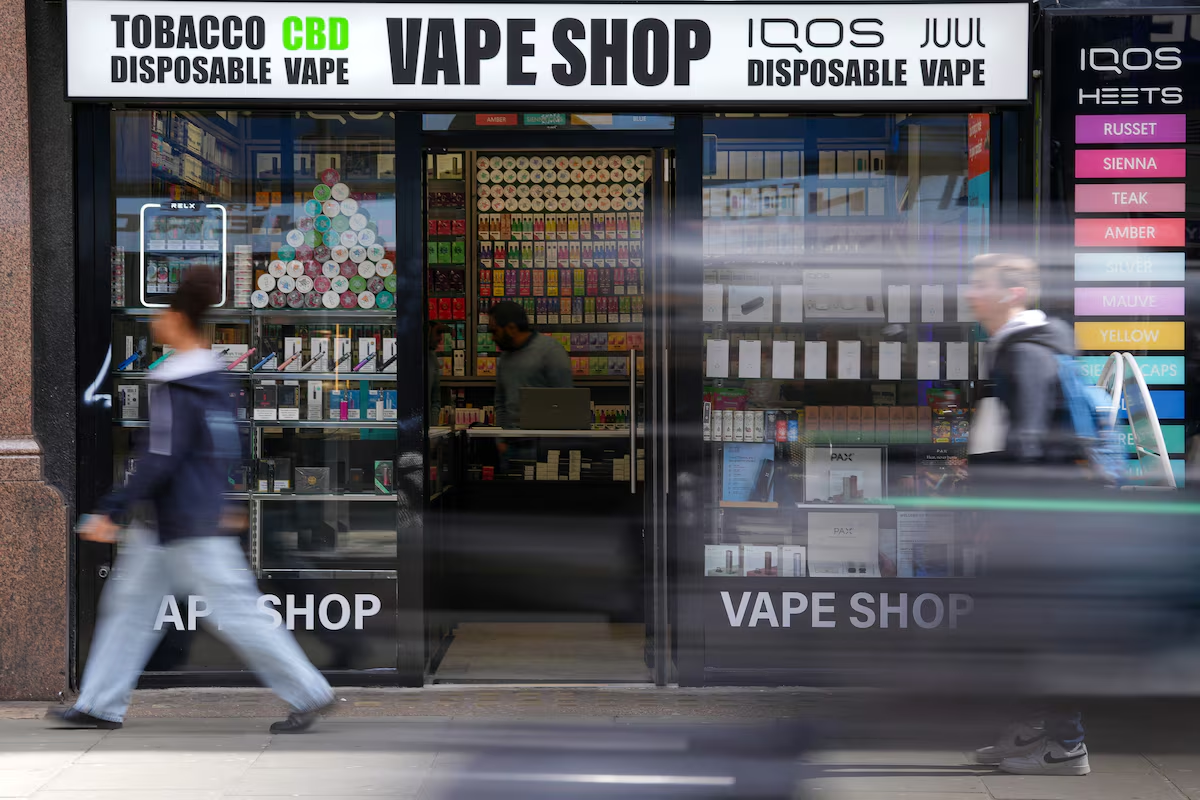
Education Board Implements E-cigarette Monitoring Program in Ontario Schools

Regulations by 2FIRSTS.ai
Nov.23.2023
Education Board Implements E-cigarette Monitoring Program in Ontario Schools
Canadian education board in Ontario's Near North District successfully implements e-cigarette monitoring program in Almaquin Middle School.

Recently, according to the Canadian news website BayToday, the Near North District School Board in Ontario, Canada has successfully implemented a student e-cigarette monitoring program. The education board has installed e-cigarette detectors in the restrooms of Almaquin Middle School.


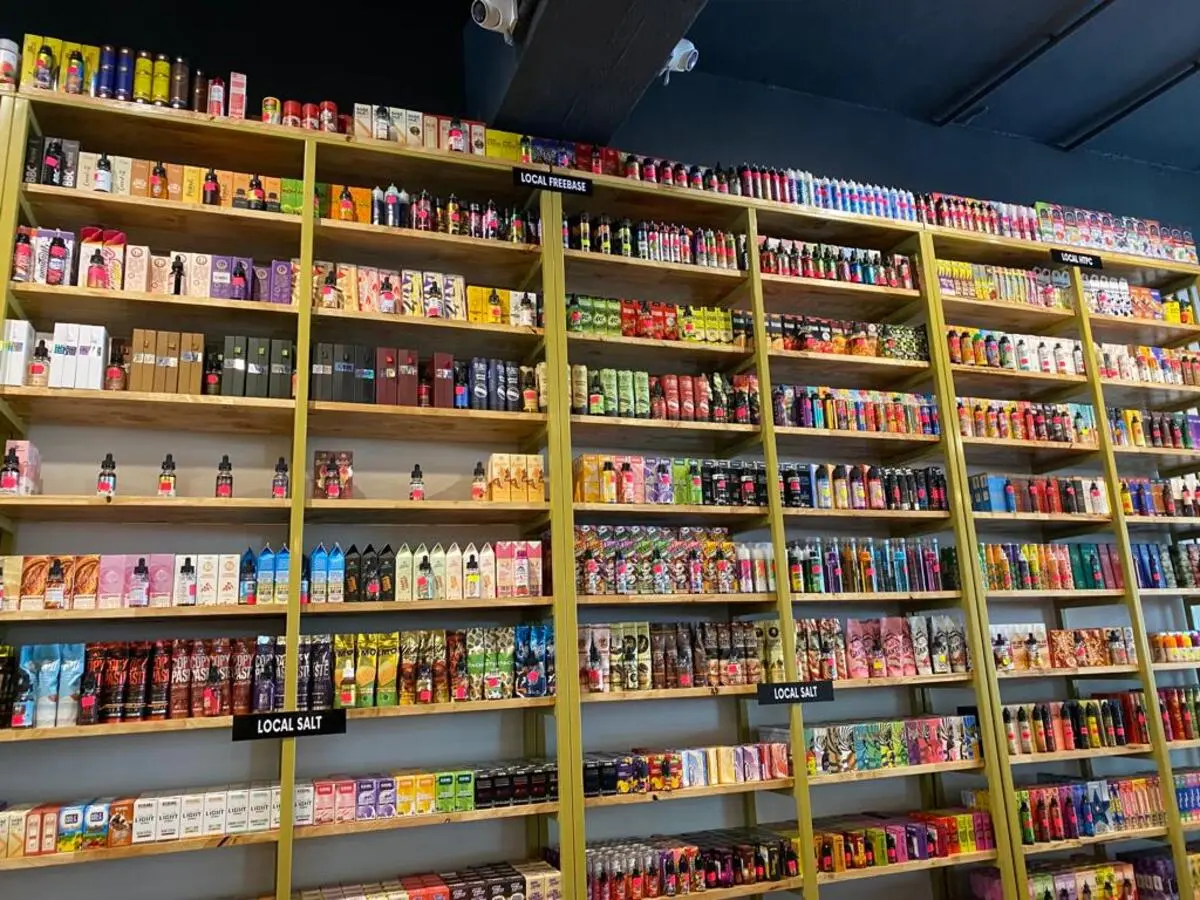
The school board has taken notice of a growing trend of "teenager vaping" in our country, which is causing a negative impact on both staff and students. The board has outlined this trend in detail in a report. E-cigarettes have become a concern within school premises, prompting the board to take action and reduce the usage of e-cigarettes, while encouraging children to adopt healthier lifestyles.


The dressing rooms and bathrooms have been installed with e-cigarette detectors, which are similar in size to ordinary smoke detectors and cost around $100 to $1,000. High-end models are mounted on the ceiling or walls. The school board received provincial funding to equip Alma Gold High School with these detectors.


We welcome news tips, article submissions, interview requests, or comments on this piece.

Please contact us at info@2firsts.com, or reach out to Alan Zhao, CEO of 2Firsts, on LinkedIn


Notice

1.  This article is intended solely for professional research purposes related to industry, technology, and policy. Any references to brands or products are made purely for objective description and do not constitute any form of endorsement, recommendation, or promotion by 2Firsts.

2.  The use of nicotine-containing products — including, but not limited to, cigarettes, e-cigarettes, nicotine pouchand heated tobacco products — carries significant health risks. Users are responsible for complying with all applicable laws and regulations in their respective jurisdictions.

3.  This article is not intended to serve as the basis for any investment decisions or financial advice. 2Firsts assumes no direct or indirect liability for any inaccuracies or errors in the content.

4.  Access to this article is strictly prohibited for individuals below the legal age in their jurisdiction.


Copyright


This article is either an original work created by 2Firsts or a reproduction from third-party sources with proper attribution. All copyrights and usage rights belong to 2Firsts or the original content provider. Unauthorized reproduction, distribution, or any other form of unauthorized use by any individual or organization is strictly prohibited. Violators will be held legally accountable.

For copyright-related inquiries, please contact: info@2firsts.com


AI Assistance Disclaimer


This article may have been enhanced using AI tools to improve translation and editorial efficiency. However, due to technical limitations, inaccuracies may occur. Readers are encouraged to refer to the cited sources for the most accurate information.

We welcome any corrections or feedback. Please contact us at: info@2firsts.com

Thai Health Authorities: Nicotine Pouches Classified as Tobacco; Sales Must Comply with 2017 Act
Thailand’s Disease Control Department has warned that nicotine pouches (“Snus”) are classified as tobacco products and must comply with the Tobacco Products Control Act B.E. 2560 (2017). Officials said they have received complaints about sales and promotional activities, and stressed that these products must not be displayed or promoted at points of sale.
Feb.02 by 2FIRSTS.ai
FDA Outlines Manufacturing Requirements as Critical to ENDS PMTA Success
FDA officials said manufacturing consistency is a core prerequisite for ENDS PMTA reviews, not a procedural formality. During its February 10, 2026 roundtable, the agency outlined expectations for quality management systems, manufacturing documentation, nicotine control, stability studies, and risk mitigation, emphasizing that robust manufacturing evidence underpins determinations of whether products are appropriate for the protection of public health.
Feb.11
Special Report|From Nicotine Pouches to Jelly? A China Tobacco Patent Explores Dual-Release NRT
A patent published on February 24, 2026, by China Tobacco Hubei Industrial Co., Ltd. introduces a “nicotine jelly” product designed to combine rapid and sustained nicotine delivery. By integrating both free and microencapsulated nicotine, the product aims to address key limitations of traditional nicotine replacement therapy (NRT), while also raising new regulatory and product classification questions.
Innovation
Mar.18
HB337 Moves Forward: Cigarette and Nicotine Taxes Set to Rise in Utah
Utah lawmakers are advancing HB337, a bill that would raise the state cigarette tax by $2 per pack and restructure taxes on other nicotine products. The proposal replaces weight-based taxes with percentage-based rates and removes reduced rates for certain modified risk products. Supporters say it will curb youth tobacco use, while opponents warn of cross-border shopping and harm to consumers seeking alternatives.
Feb.17
Netherlands plans to raise nicotine purchase age to 21, including vapes
The Netherlands is planning to raise the legal age for buying nicotine-containing products from 18 to 21, a change that would also cover vapes. The move, embedded in the governing coalition’s latest agreement, aligns with a wider European trend toward tighter youth nicotine controls, though industry groups have criticised the proposal and warned it could fuel illicit trade.
Feb.09 by 2FIRSTS.ai
Study: Links between internalizing mental health symptoms and nicotine/tobacco use vary by gender identity among U.S. adolescents
A study using 2020–2023 U.S. data from the ITC Youth Tobacco and Vaping Survey (ages 16–19) reports that both nicotine/tobacco use and internalizing mental health (IMH) symptoms vary across disaggregated gender identities, and that gender identity moderates the relationship between IMH symptoms and product use.
Feb.27 by 2FIRSTS.ai