
French Council of State Strikes Down Total Vape Ban in French Polynesia

Dec.25.2025
French Council of State Strikes Down Total Vape Ban in French Polynesia
France’s highest administrative court, the Council of State, has ruled that Article 76 of French Polynesia’s tobacco law establishing a total ban on vaping products is illegal. The provision, adopted in August and due to take effect by 2027, was successfully challenged by local importers and distributors.

Key Points


  • The French Council of State annulled French Polynesia’s total vape ban;
  • Local vape importers and distributors filed the legal challenge in September;
  • Article 76 of the tobacco law was struck down;
  • Vaping regulation will align with mainland French tobacco rules;
  • Disposable vapes, certain flavours and advertising will be restricted.


2Firsts, 2025,25 – According to Radio 1, France’s highest administrative court, the Council of State, has ruled that Article 76 of French Polynesia’s tobacco law establishing a total ban on vaping products is illegal.


The provision, adopted in late August with the support of the Tavini majority, would have introduced a complete ban on vaping products in French Polynesia by 2027 and went beyond the scope of the original bill proposed by the French government.


Local importers and distributors of vaping products filed a legal challenge in September, specifically targeting Article 76. While these professionals had previously opposed certain aspects of the new tobacco law, they argued that banning vaping while cigarettes remained legal was unjustified. The court ultimately ruled in their favour and annulled the article.


The collective, which was initially supported by France’s employers’ organisation Medef before proceeding independently, has not yet commented publicly on the ruling. However, relief was reported among the affected businesses.


The partial annulment also allows the government to proceed with promulgating the law in the form originally defended by the executive. As a result, French Polynesia will not implement a total vape ban, but vaping regulation will be aligned with mainland French tobacco legislation.


Under the revised framework, vape retailers will be required to hold licences and will be prohibited from selling to minors. Disposable e-cigarettes will be banned, along with certain flavours deemed attractive to young people and products with excessively high nicotine content. Advertising of vaping products will largely be prohibited, and their use in public spaces will be restricted.


Image source: Radio 1


We welcome news tips, article submissions, interview requests, or comments on this piece.

Please contact us at info@2firsts.com, or reach out to Alan Zhao, CEO of 2Firsts, on LinkedIn


Notice

1.  This article is intended solely for professional research purposes related to industry, technology, and policy. Any references to brands or products are made purely for objective description and do not constitute any form of endorsement, recommendation, or promotion by 2Firsts.

2.  The use of nicotine-containing products — including, but not limited to, cigarettes, e-cigarettes, nicotine pouchand heated tobacco products — carries significant health risks. Users are responsible for complying with all applicable laws and regulations in their respective jurisdictions.

3.  This article is not intended to serve as the basis for any investment decisions or financial advice. 2Firsts assumes no direct or indirect liability for any inaccuracies or errors in the content.

4.  Access to this article is strictly prohibited for individuals below the legal age in their jurisdiction.


Copyright


This article is either an original work created by 2Firsts or a reproduction from third-party sources with proper attribution. All copyrights and usage rights belong to 2Firsts or the original content provider. Unauthorized reproduction, distribution, or any other form of unauthorized use by any individual or organization is strictly prohibited. Violators will be held legally accountable.

For copyright-related inquiries, please contact: info@2firsts.com


AI Assistance Disclaimer


This article may have been enhanced using AI tools to improve translation and editorial efficiency. However, due to technical limitations, inaccuracies may occur. Readers are encouraged to refer to the cited sources for the most accurate information.

We welcome any corrections or feedback. Please contact us at: info@2firsts.com

Japan's Heated Tobacco Use Rises From 0.1% to 14.9% Over a Decade as Growth Extends Beyond Cigarette Switching
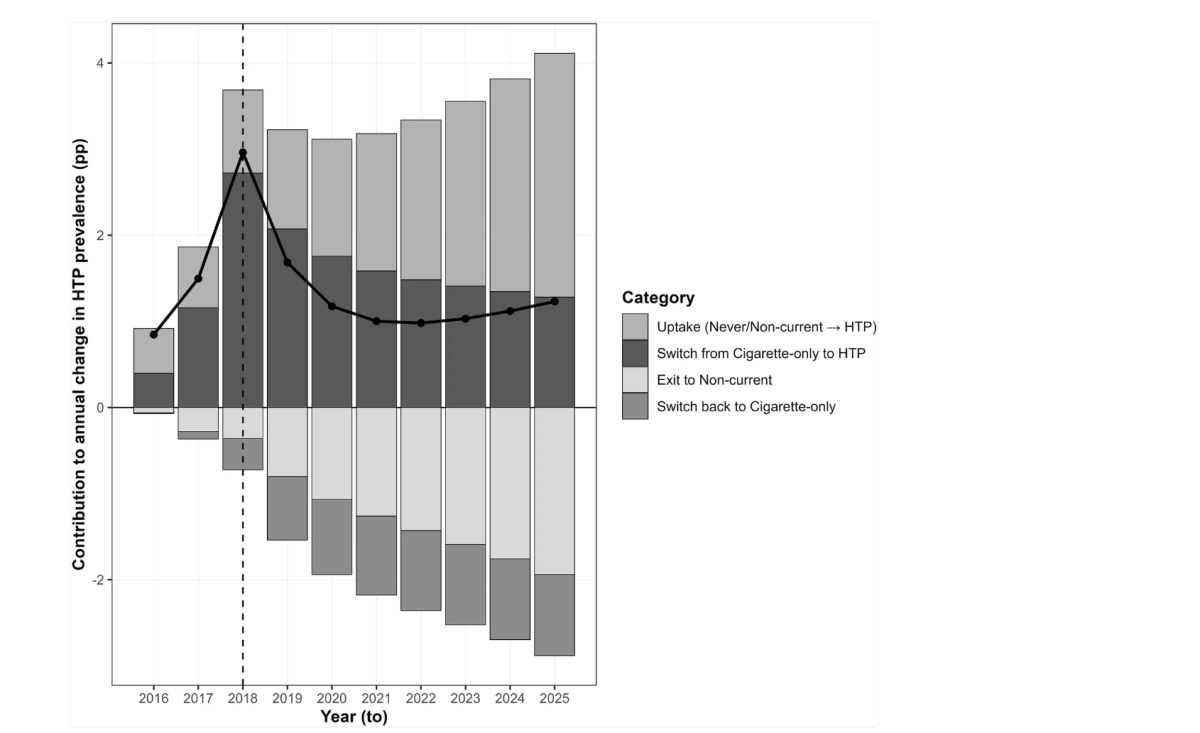
A decade-long study published in The Lancet Regional Health – Western Pacific found that heated tobacco product use in Japan increased from 0.1% in 2015 to 14.9% in 2025, although growth slowed after 2018. Switching from conventional cigarettes remained an important source of HTP uptake, while the contribution from previously non-current users increased. Approximately 56% of HTP users also smoked conventional cigarettes in 2025. Separate industry data show that Japan's heated tobacco sales reached 73.4 billion units in fiscal 2025, approaching conventional cigarette sales of 78.2 billion units.
SCIENCE
Nov.10
Product | BAT Launches VELO WRKS Nicotine Pouches in Sweden, Introducing Dual-Compartment Cans With Two Flavours
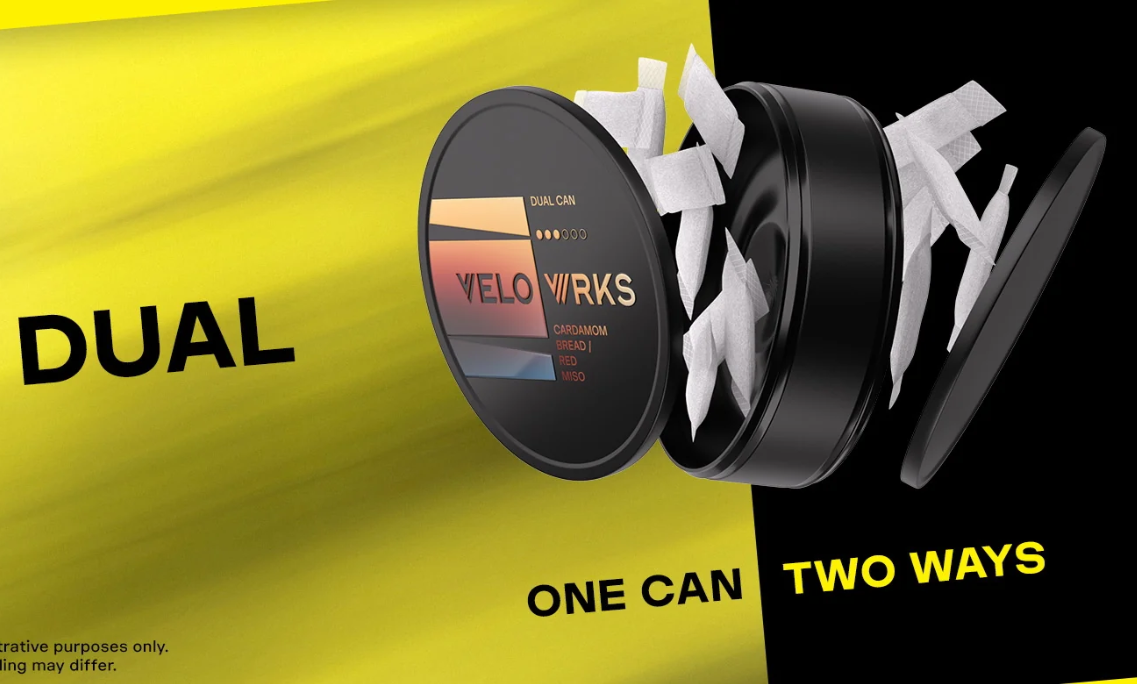
British American Tobacco (BAT)'s VELO brand launched the VELO WRKS nicotine pouch range in Sweden on November 2, 2026. The initial release features three Dual Can variants, each containing two separate flavours in a dual-compartment container. Each can holds 20 slim pouches with 8mg of nicotine per pouch and retails for SEK 52.99. According to VELO, the first release, Drop 1, is limited to 75,000 cans and will remain available until February 2027 or while stocks last. VELO positions WRKS as a platform for testing new product concepts and has introduced an online consumer feedback survey. EU trademark records show BAT applied to register VELO WRKS in March 2026 under Class 34, covering nicotine pouches, e-cigarettes, heated tobacco products and other tobacco-related goods.
product
Nov.03
Special Report | From New York to Washington: How FDA’s Tobacco Center Is Reworking Product Review
FDA’s Center for Tobacco Products is reshaping how it approaches tobacco product review. Based on 2Firsts’ on-site reporting in New York and Washington, this report traces CTP’s emerging direction: stronger links between PMTA and tobacco harm reduction, more category-specific review, greater emphasis on decision-relevant science, more predictable timelines and expanded use of sPMTA for product modifications. CTP also acknowledged major constraints, including just nine PMTA review teams, persistent backlogs and limits on hiring capacity.
Regulations
Oct.08
Why Does JPMorgan Favor BAT Over Philip Morris Despite Forecasting Slower Growth of 3.9% Versus 6.2%?
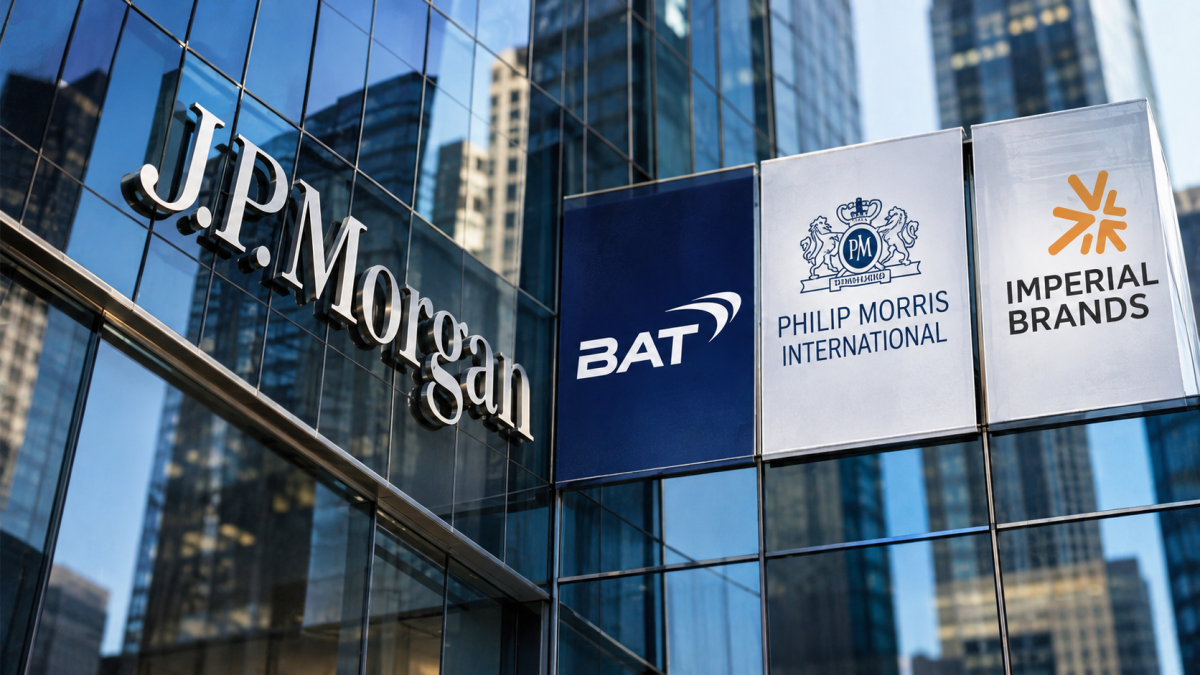
JPMorgan resumed equity research coverage of British American Tobacco (BAT), Philip Morris International (PMI) and Imperial Brands in November 2026, assigning BAT an Overweight rating and the other two companies Neutral ratings. The bank forecasts like-for-like sales growth of 3.9% for BAT and 6.2% for PMI in 2027, but estimates the two companies will trade at approximately 11 times and 21 times 2027 earnings, respectively. JPMorgan cited BAT's improving position in US nicotine pouches and vaping products as a driver of its investment outlook. BAT reported a 220% constant-currency increase in US modern oral nicotine revenue in the first half of 2026, while PMI's ZYN US shipments returned to growth in the third quarter. Imperial expects NGPs to represent 4% to 5% of sales and has expanded its oral portfolio through acquisitions.
Capital Markets
Nov.12
Product | NEXA Launches ULTRA 3 Vape in U.S. With 35mL Tank, Auto-Sealing System and Up to 100,000 Puffs
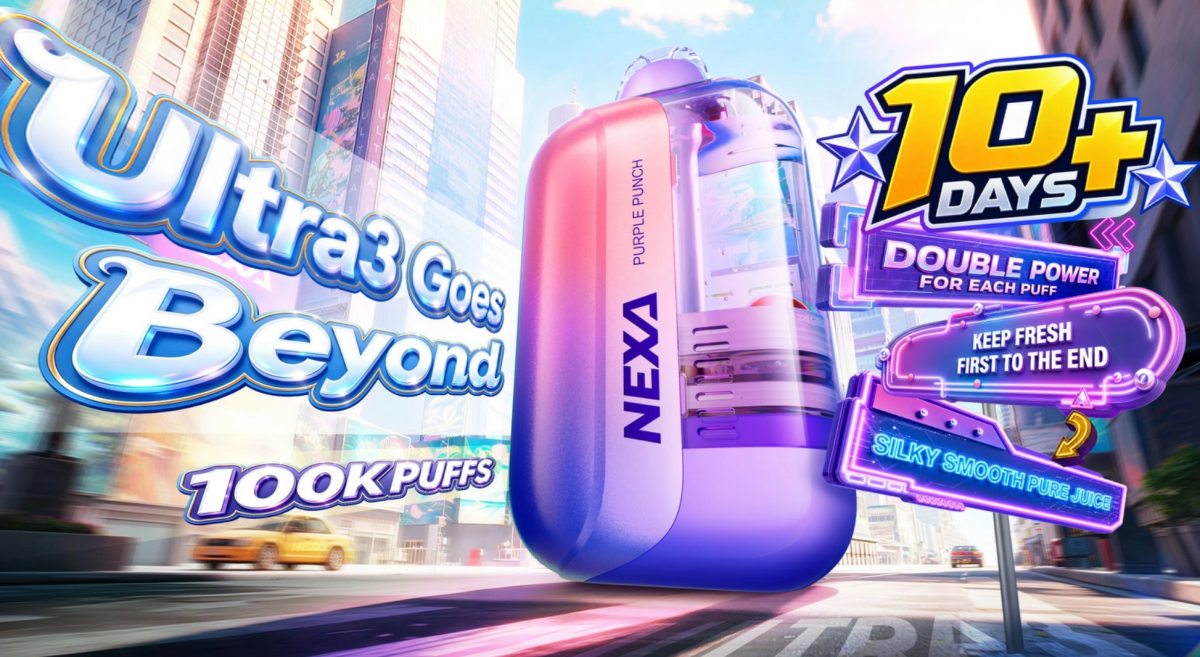
Vaping brand NEXA introduced its ULTRA 3 high-capacity disposable vape in the U.S. market in October 2026, featuring a 35mL transparent e-liquid tank, a Juicy Guard automatic sealing system and a 1,000mAh rechargeable battery. The device is advertised to deliver up to 100,000 puffs in Normal Mode. Compared with the ULTRA II introduced in 2025, the new model increases e-liquid capacity by 75%, raises battery capacity by approximately 11%, and upgrades its liquid-management architecture. NEXA is also offering a limited buy-five-get-five-free promotion to U.S. wholesalers. As of November 23, ULTRA 3 was not listed among FDA-authorized e-cigarettes or in the Iowa and Louisiana state product directories reviewed.
product
Nov.24
Special Report | Vape bans and tougher rules: the South Caucasus takes different paths
Azerbaijan's sweeping e-cigarette ban has raised concerns over enforcement errors and the emergence of illicit sales, while neighboring Armenia is tightening technical rules and preparing higher excise taxes. Georgia, meanwhile, has resisted calls for broader vape restrictions and introduced preferential taxes for some domestically produced cigarettes. The divergent approaches across the South Caucasus highlight a regional policy dilemma: how to curb nicotine use and protect public health without encouraging black markets or creating unintended economic consequences for businesses and consumers.
Nov.03