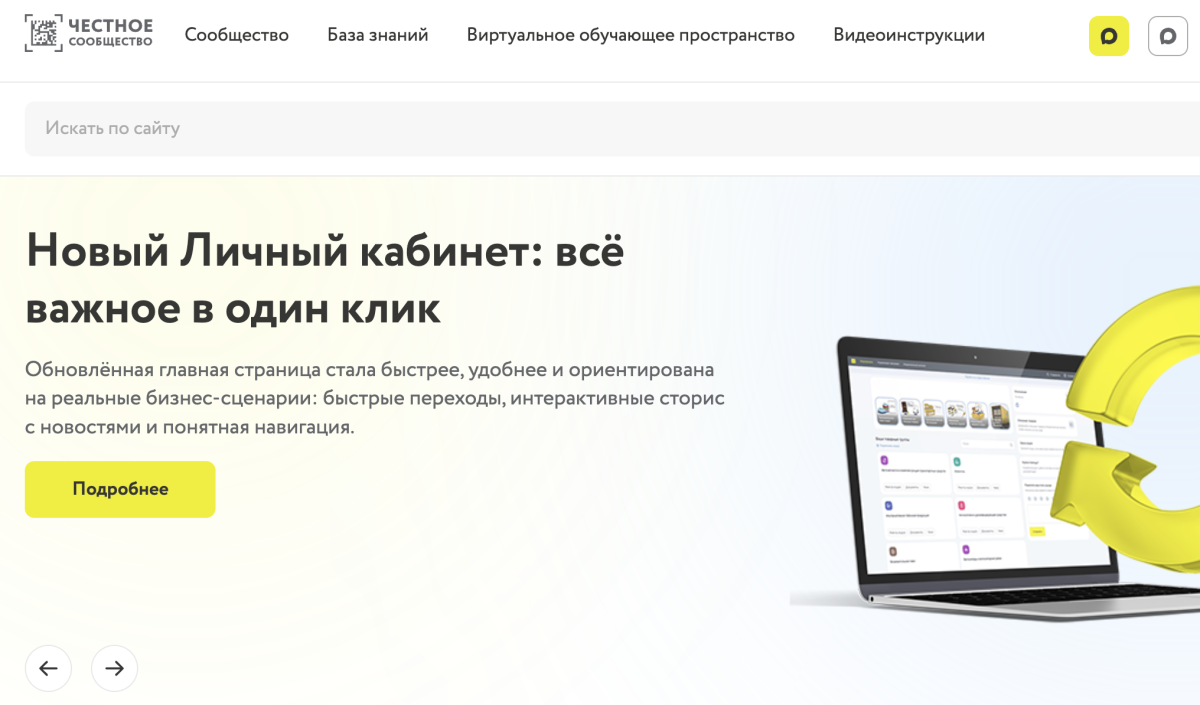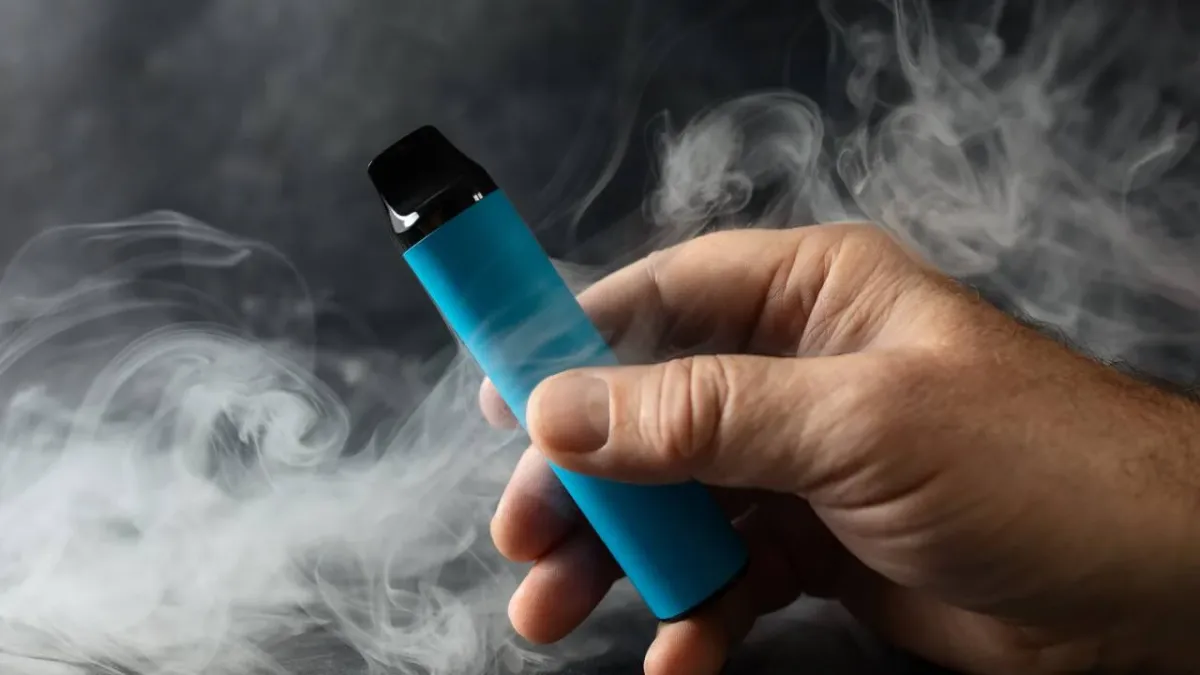
Starting from April 1st, Russia has implemented the "Honest Label" policy to regulate the e-cigarette market. The policy requires wholesale importers of e-cigarettes to upload retail information of the relevant products to the Honest Label system. E-cigarette products that do not have the label will not be able to smoothly pass through Russian customs.
2FIRSTS contacted Wang Juncheng, general manager of Russia Sooching, a local customs clearance company in Russia, on November 20th to gain insights into the latest developments in the Russian e-cigarette market, as more than six months have passed since the implementation of the "Honest Label" system.
Wang Juncheng stated that there is currently a high demand in the Russian market for compliant products, and due to policy reasons, there are very few options for accessing the market through unofficial channels. Furthermore, since August, the transportation time for some unofficially imported goods has also increased from the previous 30 days to 2 to 3 months.
In the past two months, there has been a significant increase in the transportation volume of Russian compliant logistics companies. According to Wang Juncheng, the customs clearance tickets for RussianSoocleaning have also increased by three to four times compared to before. Furthermore, the logistics costs for compliant e-cigarettes have also been on the rise, currently increasing from over 30 RMB per kilogram to over 40 RMB.
He pointed out that the main reason for the increase in the volume of compliant logistics shipments is the sharp rise in demand from e-cigarette terminal shops and distribution stores. In the Russian e-cigarette market, most terminal stores, chain supermarkets, and distributors only accept compliant products. Although some stores may sell both compliant and non-compliant products, the shelf rate of compliant products is gradually increasing, with a minimum proportion of 50%.
Wang Juncheng points out that due to their higher value and taxes, it is difficult to transport compliant products on a large scale like gray market products. They can only be transported in small batches. In addition, the procedures for applying for an honest label for compliant products are relatively complicated, and ensuring compliance channels for logistics, distribution, and stores also takes a considerable amount of time. Therefore, he suggests that if companies wish to list compliant products on the Russian market, they need to make thorough preparations at least 3 months in advance.
Furthermore, Wang Juncheng revealed that, as far as he knows, Russia is set to increase e-liquid taxes in early 2024. This will result in a doubling of the cost of e-cigarette products.
We welcome news tips, article submissions, interview requests, or comments on this piece.
Please contact us at info@2firsts.com, or reach out to Alan Zhao, CEO of 2Firsts, on LinkedIn
Notice
1. This article is intended solely for professional research purposes related to industry, technology, and policy. Any references to brands or products are made purely for objective description and do not constitute any form of endorsement, recommendation, or promotion by 2Firsts.
2. The use of nicotine-containing products — including, but not limited to, cigarettes, e-cigarettes, nicotine pouchand heated tobacco products — carries significant health risks. Users are responsible for complying with all applicable laws and regulations in their respective jurisdictions.
3. This article is not intended to serve as the basis for any investment decisions or financial advice. 2Firsts assumes no direct or indirect liability for any inaccuracies or errors in the content.
4. Access to this article is strictly prohibited for individuals below the legal age in their jurisdiction.
Copyright
This article is either an original work created by 2Firsts or a reproduction from third-party sources with proper attribution. All copyrights and usage rights belong to 2Firsts or the original content provider. Unauthorized reproduction, distribution, or any other form of unauthorized use by any individual or organization is strictly prohibited. Violators will be held legally accountable.
For copyright-related inquiries, please contact: info@2firsts.com
AI Assistance Disclaimer
This article may have been enhanced using AI tools to improve translation and editorial efficiency. However, due to technical limitations, inaccuracies may occur. Readers are encouraged to refer to the cited sources for the most accurate information.
We welcome any corrections or feedback. Please contact us at: info@2firsts.com