Indonesian drug agency chief proposes ban on e-cigarettes and e-liquid containing harmful substances

Apr.08
Indonesian drug agency chief proposes ban on e-cigarettes and e-liquid containing harmful substances
Indonesian drug agency chief proposes ban on e-cigarette and e-liquid in new draft law, citing dangerous substances found.

Key points

  • The head of the Indonesian National Narcotics Agency, Suyudi Ario Seto, has proposed including a ban on e-cigarettes and e-liquids in the draft of the "Narcotics and Psychotropic Substances Act." 
  • After testing 341 samples of e-liquid at the BNN Central Laboratory, it was found that 11 contained synthetic cannabinoids, 1 contained methamphetamine, and 23 contained etizolam. 
  • Seto stated that globally, 1,386 new psychoactive substances have been identified, with Indonesia identifying 175. 
  • According to Indonesian Health Minister Regulation No. 15 of 2025, etizolam has been classified as a second-class narcotic. 
  • Currently, cases involving e-liquid containing etizolam in Indonesia can only be handled under health laws, resulting in lighter penalties. (Date: April 8, 2026)

According to ANTARA, Suyudi Ario Seto, the head of Indonesia's National Narcotics Agency, has proposed including a ban on e-cigarettes and e-liquid in the draft Drug and Psychotropic Substances Law.


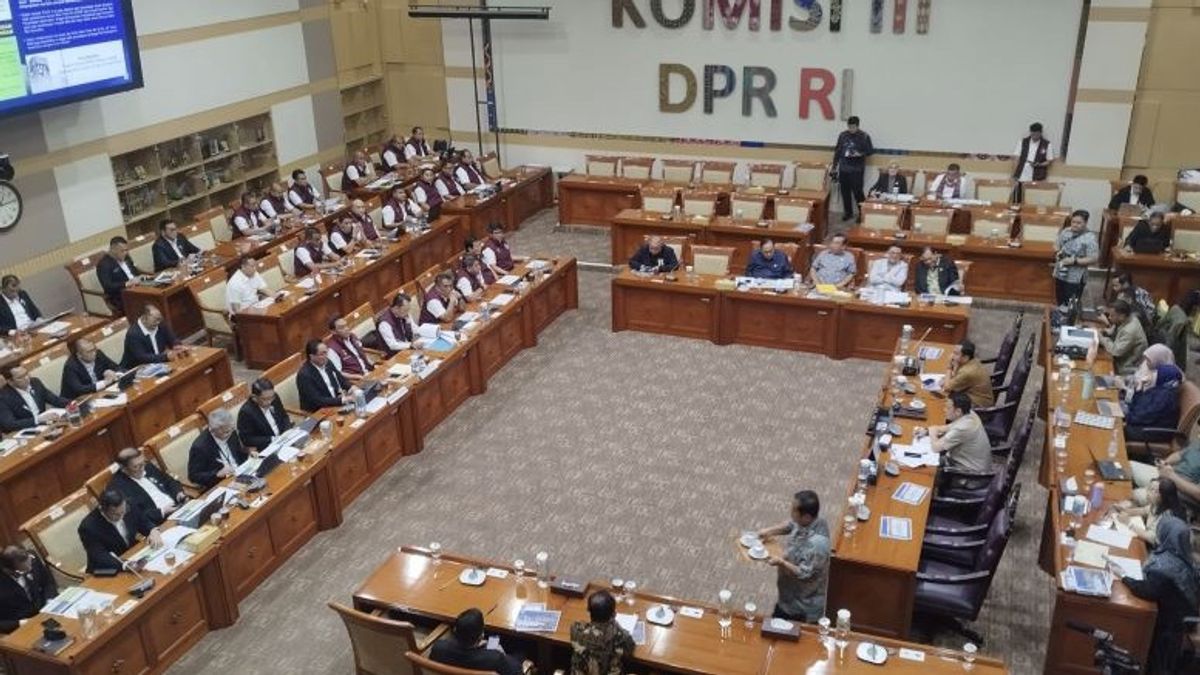
A total of 341 e-liquid samples were found to contain three types of concerning substances. Seto, speaking at a meeting with the Indonesian Parliament's third committee, stated that Indonesia is currently facing a widespread circulation of e-cigarettes containing narcotics. He mentioned that other ASEAN countries such as Vietnam, Thailand, Singapore, Brunei, and Laos have taken measures to prohibit the circulation of e-cigarettes.


He said that after testing 341 samples of e-liquid at the BNN Central Laboratory, it was found that 11 contained synthetic cannabinoids, 1 contained methamphetamine (crystal meth), and another 23 tested positive for etizolam.


Sieto also stated that the rate of drug development is accelerating. Currently, 1,386 new psychoactive substances (NPS) have been identified globally, with Indonesia recognizing 175 of them.


Dependence on Mifetil has been included in the second category of narcotic drugs list Regarding Mifetil in e-liquid, Selto stated that, according to the 2025 Ministerial Regulation No. 15, Mifetil has officially been included in the second category of narcotic drugs list.


However, he stated that currently such cases can only be prosecuted based on health laws, resulting in lighter penalties.


He also stated that if e-cigarettes are banned, the circulation of e-liquids containing prohibited chemical compounds can also be significantly curtailed.


image credit: ANTARA


We welcome news tips, article submissions, interview requests, or comments on this piece.

Please contact us at info@2firsts.com, or reach out to Alan Zhao, CEO of 2Firsts, on LinkedIn


Notice

1.  This article is intended solely for professional research purposes related to industry, technology, and policy. Any references to brands or products are made purely for objective description and do not constitute any form of endorsement, recommendation, or promotion by 2Firsts.

2.  The use of nicotine-containing products — including, but not limited to, cigarettes, e-cigarettes, nicotine pouchand heated tobacco products — carries significant health risks. Users are responsible for complying with all applicable laws and regulations in their respective jurisdictions.

3.  This article is not intended to serve as the basis for any investment decisions or financial advice. 2Firsts assumes no direct or indirect liability for any inaccuracies or errors in the content.

4.  Access to this article is strictly prohibited for individuals below the legal age in their jurisdiction.


Copyright


This article is either an original work created by 2Firsts or a reproduction from third-party sources with proper attribution. All copyrights and usage rights belong to 2Firsts or the original content provider. Unauthorized reproduction, distribution, or any other form of unauthorized use by any individual or organization is strictly prohibited. Violators will be held legally accountable.

For copyright-related inquiries, please contact: info@2firsts.com


AI Assistance Disclaimer


This article may have been enhanced using AI tools to improve translation and editorial efficiency. However, due to technical limitations, inaccuracies may occur. Readers are encouraged to refer to the cited sources for the most accurate information.

We welcome any corrections or feedback. Please contact us at: info@2firsts.com

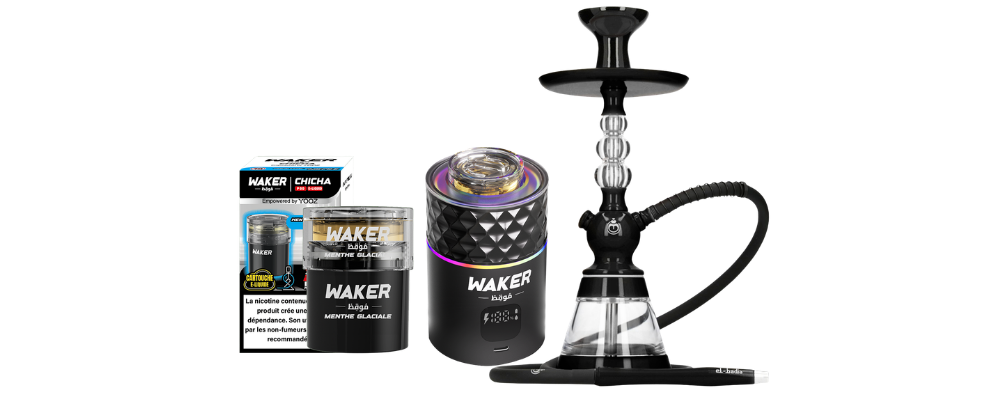
Product | YOOZ Launches Waker Electronic Shisha Device, Expanding Vape Applications Beyond Portable Devices
YOOZ has introduced the Waker Electronic Shisha device, expanding its vaping portfolio into the electronic shisha category. The device combines a rechargeable hardware platform with dedicated cartridges, featuring a 4,000mAh battery, up to 60W output power, and LED lighting effects. The product has appeared across multiple French retail channels, reflecting the continued expansion of vaping products into new consumption scenarios.
Jul.13
Australia’s TGA Places Nicotine Pouches Under Therapeutic Goods Rules From July 24, Blocking Imports of Unapproved Products
Australia is strengthening controls on nicotine pouches under its existing therapeutic goods regulatory framework. According to the Therapeutic Goods Administration (TGA), nicotine pouch products must meet regulatory requirements, and unapproved products cannot be legally imported. The move follows Australia’s broader approach of maintaining strict oversight of nicotine products, including nicotine-containing vapes. As nicotine pouches expand globally, Australia’s regulatory approach highlights growing differences in how countries manage emerging smoke-free nicotine products.
Regulations
Jul.27
Malaysia Police Plan Saliva Tests at Roadblocks to Detect Synthetic Drugs Mixed Into Vape Liquids
Malaysian police plan to use saliva test kits at roadblocks to detect drivers using synthetic liquid drugs marketed as “Piu Piu” and “Magic Mushroom,” substances that authorities say are mixed into vape liquids and inhaled through e-cigarette devices, raising road-safety concerns and adding pressure on vape regulation.
Jun.29
UK HMRC Plans 30,000 Retail Enforcement Actions as Illegal Tobacco and Vape Sellers Face Tougher Crackdown
The UK government has announced that HM Revenue & Customs (HMRC) will carry out more than 30,000 interventions targeting businesses and retail premises during the 2026-2027 financial year. The actions will focus on tax fraud, illegal goods sales and businesses involved in unlawful activities through retail channels. The government said illegal tobacco and illegal vape sales remain areas of concern. The move shows that UK enforcement against illegal nicotine products is expanding from import and supply channels toward retail-level oversight, alongside the upcoming introduction of the Vaping Products Duty.
Jul.24
Imperial Brands Plans Thousands of Job Cuts Across U.S. and Europe in Cost Restructuring
According to Reuters, citing Bloomberg News, British tobacco company Imperial Brands PLC plans to cut thousands of jobs across the United States and Europe as part of a cost reduction and organizational restructuring effort. The announcement drew market attention to the company’s shares. The move comes as global tobacco companies continue adjusting their operations amid slower cigarette market growth, changing consumer preferences and the transition toward next-generation nicotine products.
Aug.11
JT’s Ploom Volumes Rise 43.5% as Cigarettes Anchor Its Transition
JT’s Ploom heated-tobacco volumes rose 43.5% in the first half of 2026, while combustibles still represented about 97% of its tobacco volume and remained the main earnings base. In Japan, reduced-risk products now account for 48.7% of industry shipments, shifting competition from category adoption towards brand share, pricing and consumer retention. JT’s results offer a revealing case of a traditional tobacco company pursuing a prolonged, dual-track transformation.
JTI
Jul.30