Indonesia’s New E-cigarette Rules Spark Industry Controversy

Nov.11.2024
Indonesia’s New E-cigarette Rules Spark Industry Controversy
The draft regulation on tobacco and e-cigarette safety in Indonesia faces criticism for potentially damaging market positions.

According to Jpnn on November 11, Indonesia's Ministry of Health's draft regulation on the safety management of tobacco and e-cigarette products (RPMK) has faced criticism from some as a discriminatory policy that could harm the market position of e-cigarette brands.


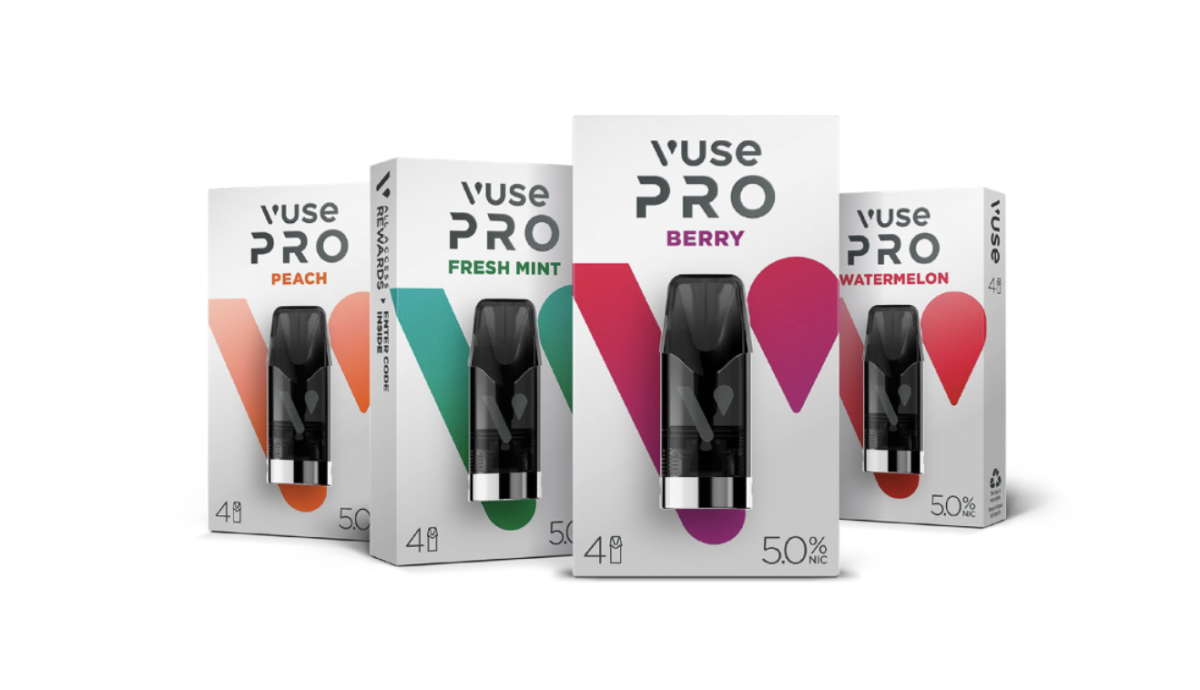
Brand and marketing expert Yuswohady pointed out that brands signify not only product quality but also play a crucial role in market differentiation. If tobacco products shift to plain packaging, it could negatively impact both businesses and consumers. This policy could lead to a decline in business performance, as consumers may opt for lower-priced products, overlooking quality factors. 


Additionally, Yuswohady pointed out that consumers might feel confused when choosing products, struggling to identify quality items. Yuswohady emphasized that such homogenization of packaging might lead to brand disappearance, flooding the market with low-cost products and pushing consumers to focus more on price than quality.


Furthermore, lower prices could lead to an influx of illegal products into the market, resulting in unfair competition. He expressed concern that the e-cigarette market could regress due to competition between inexpensive illegal products and legitimate products.


Yuswohady urged the government to reconsider this draft policy, noting that the e-cigarette industry encompasses an extensive value chain, including tax revenue, which is a significant contribution to national income.

We welcome news tips, article submissions, interview requests, or comments on this piece.

Please contact us at info@2firsts.com, or reach out to Alan Zhao, CEO of 2Firsts, on LinkedIn


Notice

1.  This article is intended solely for professional research purposes related to industry, technology, and policy. Any references to brands or products are made purely for objective description and do not constitute any form of endorsement, recommendation, or promotion by 2Firsts.

2.  The use of nicotine-containing products — including, but not limited to, cigarettes, e-cigarettes, nicotine pouchand heated tobacco products — carries significant health risks. Users are responsible for complying with all applicable laws and regulations in their respective jurisdictions.

3.  This article is not intended to serve as the basis for any investment decisions or financial advice. 2Firsts assumes no direct or indirect liability for any inaccuracies or errors in the content.

4.  Access to this article is strictly prohibited for individuals below the legal age in their jurisdiction.


Copyright


This article is either an original work created by 2Firsts or a reproduction from third-party sources with proper attribution. All copyrights and usage rights belong to 2Firsts or the original content provider. Unauthorized reproduction, distribution, or any other form of unauthorized use by any individual or organization is strictly prohibited. Violators will be held legally accountable.

For copyright-related inquiries, please contact: info@2firsts.com


AI Assistance Disclaimer


This article may have been enhanced using AI tools to improve translation and editorial efficiency. However, due to technical limitations, inaccuracies may occur. Readers are encouraged to refer to the cited sources for the most accurate information.

We welcome any corrections or feedback. Please contact us at: info@2firsts.com

AHA Journal Study: WS-23 Triples Premature Heartbeats, Raising Concerns Over Vape Cooling Agents
A University of Louisville research team published a study in an American Heart Association journal suggesting that synthetic cooling agents used in e-cigarettes, including WS-3 and WS-23, may disrupt cardiac electrical activity and increase arrhythmia risk. In animal experiments, WS-23 tripled premature heartbeats.
Jun.16
EU Tobacco Rules Face Pushback as Analysis Says 90% of Consultation Responses Raised Objections
An analysis by We Are Innovation says more than 90% of over 82,000 responses to the European Commission’s public consultation on the Tobacco Products Directive revision raised at least one substantial objection to the proposed regulatory direction.
Jul.13
BAT Regional Director Fred Monteiro Supports Spain’s Nicotine Rules but Opposes 0.99mg Nicotine Pouch Limit
Spanish newspaper El Confidencial interviewed Fred Monteiro, Regional Director for Americas and Europe at British American Tobacco (BAT). Monteiro said BAT supports setting regulatory limits for nicotine products but opposes Spain’s proposed 0.99mg nicotine-per-pouch limit, arguing that such a restriction could affect adult smokers’ transition to alternatives. He said nicotine regulation should be based on scientific evidence and harm reduction principles. Monteiro also said smoke-free products now account for around 25% of BAT’s Americas and Europe business and nearly 30% of its Europe business
BAT
Jul.30
China’s HTP Exports Fell 14.3% in H1 2026 as Russia and Belarus Accounted for 76% Lead
In H1 2026, China’s HS 24041100 exports stood at $1.32 million, down 14.3% YoY, with volume falling 17.2% to 55.33 tons. Market distribution shifted drastically amid overall export drops. Exports to Russia and Belarus totaled $1 million, taking 76.0% of all shipments versus 29.5% in H1 2025. Belarus became the top destination with export value jumping 177.5%, while the Philippines, Singapore and Indonesia’s combined share slumped from 49.3% to 11.2%.Domestically, Yunnan led exporter registrations; Jiangsu and Shanghai were key suppliers, yet Anhui and Sichuan had no exports. Heavy concentration means order or declaration changes for Russia/Belarus greatly affect national aggregate data. The data shows customs entry points (not end markets), covering tobacco consumables only, excluding heating equipment and the complete HTP supply chain.
Aug.11
French Vape Distributor Kumulus Vape Yields About 3% as Earnings Growth Stalls
Listed French vape distributor Kumulus Vape will trade ex-dividend on June 26, 2026, and pay an annual dividend of €0.10 per share on June 30, with Simply Wall St saying the payout is covered by profit and free cash flow, while weak earnings growth remains a concern.
Industry InsightMarketNews
Jun.24
Product | ZAR Launches Coffee AirPouch, Expanding Pouch Format Into Caffeine Products
ZAR has introduced Coffee AirPouch, a nicotine-free caffeine pouch product that extends the brand’s AirPouch format into the functional consumer category. Each pouch contains 50mg of natural caffeine and features a coffee flavor, highlighting how pouch-based products are expanding beyond traditional nicotine applications into broader lifestyle and energy-use scenarios.
Market
Jul.13 by 2Firsts Perspectives