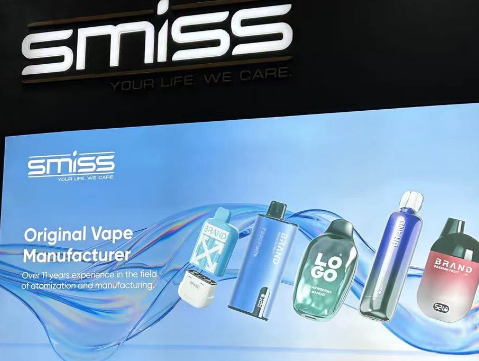
From June 21 to 23, the World Vape Show was held at the Dubai World Trade Center. During the exhibition, 2FIRSTS conducted in-depth interviews with key participating companies on site and reported firsthand market information obtained at the show in a timely manner.
At the exhibition, 2FIRSTS interviewed Mr. Gong, the manager in charge of SMISS, an e-cigarette manufacturer in the Middle East, North Africa, and South Africa markets. During the conversation with 2FIRSTS, he shared his views on the e-cigarette market in Dubai and related trends.
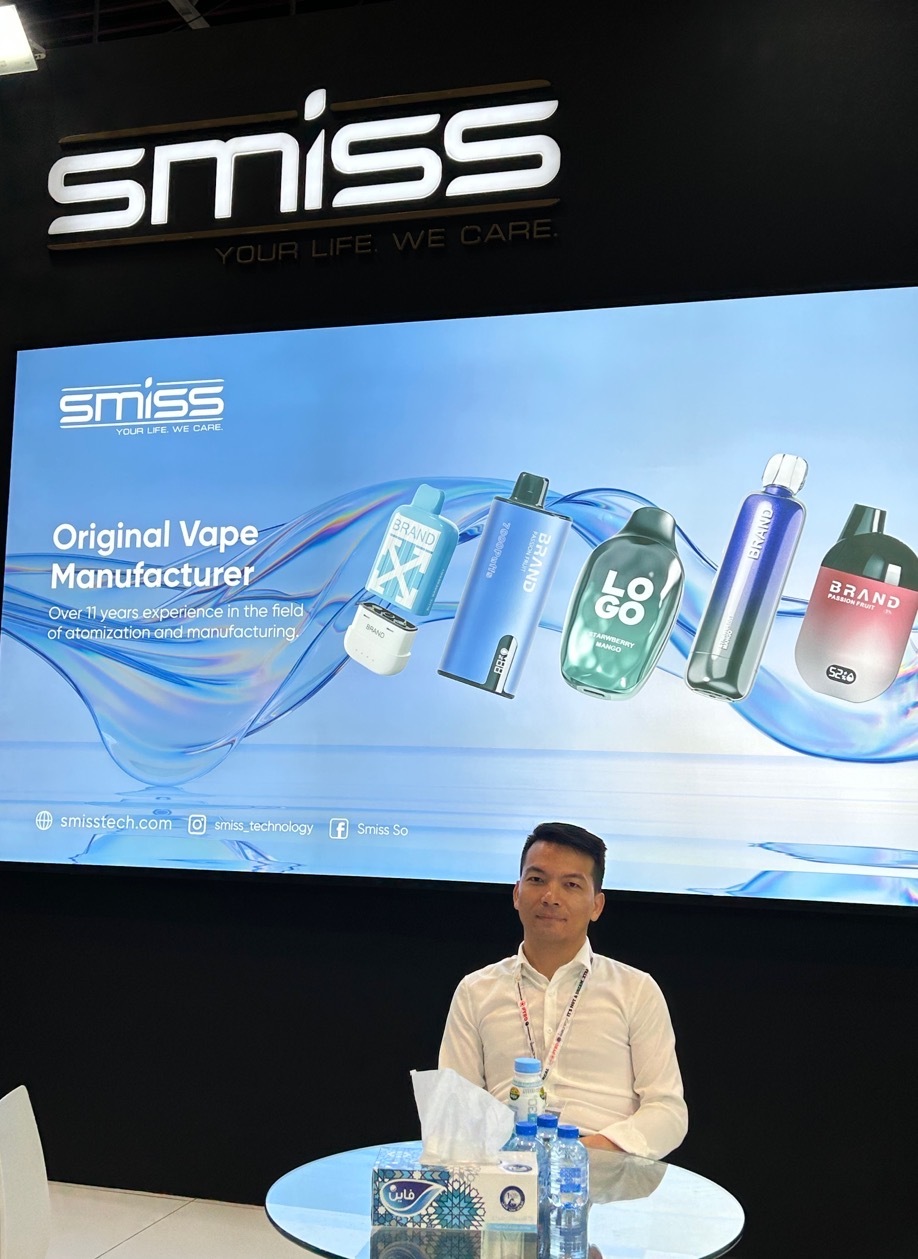
Big Puff is the Mainstream Product in Dubai
Manager Gong stated that Dubai plays a crucial role as a trade and logistics hub for the entire Middle East region. It serves as a transit point, attracting various small and medium-sized wholesalers from different countries in the Middle East and North Africa to purchase e-cigarette products.
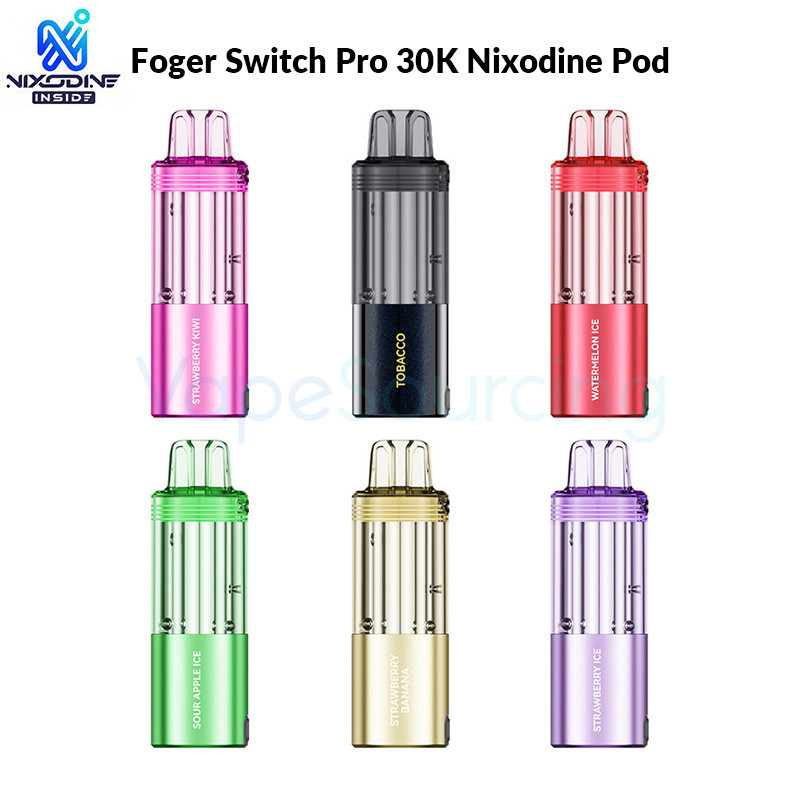
According to his understanding, the most popular e-cigarette product in the Dubai market is currently the one with a large mouthpiece, containing at least 5% nicotine and with a capacity of 12 milliliters or more. Disposable e-cigarettes with small mouthpieces are not in great demand in the market.
According to the compliance requirements in the United Arab Emirates, e-cigarettes that are compliant must be registered with ESMA. The regulations for disposable e-cigarettes from ESMA state that they cannot contain more than 2% nicotine and 10 milliliters of e-liquid.
Therefore, mainstream disposable electronic products in Dubai's market are mainly non-compliant products. Even if these products themselves are non-compliant, most merchants are still selling them quietly.
He pointed out that many stores openly sell e-cigarettes containing 2% nicotine, which is legal, but in reality, they mainly sell products containing 5% nicotine. This phenomenon has become a "consensus" in Dubai's e-cigarette industry.
Of course, there are also popular products with small quantities sold at a time. According to Manager Gong, a 2 milliliter e-cigarette called "YUOTO" has attracted consumers' attention and has a considerable sales volume at present. However, he believes that "this is mainly because of the low price.
A Seller-Dominated Market led by Wholesalers
Manager Gong mentioned that if outsiders want to learn about the development of the e-cigarette industry in Dubai or the Middle East, they can simply take a stroll through the e-cigarette stalls at Dragon City and get a general idea.
The official name of the "Dragon City" mentioned here is the China Commodity (Dubai) Distribution Center, located in the southeast of the main city. It is the largest overseas distribution center for Chinese commodities and serves as a major hub for international trade.
Manager Gong stated:
"Similar to Huaqiangbei in Shenzhen, Dragon City wholesale market may not have large-scale shops and stalls, but the sheer number of them has led to an increase in the customer base of wholesale merchants in the area. In fact, it is estimated that around 90% of their customers are concentrated in Dragon City."
During a visit to Longcheng, it was discovered that different stalls in the area have their own brand of e-cigarettes, which are also relatively cheaper in terms of procurement prices. This makes Longcheng the first destination for e-cigarette businesses in Dubai and the Middle East.
According to him, there are no wholesale or retail shops for e-cigarettes in other parts of Dubai. This has made Longcheng a trendsetter in the market, where a brand must first establish a presence before entering the rest of Dubai. Due to Longcheng's unique position in the wholesale sector, the Dubai market has become a seller's market.
The main reason is that the e-cigarette industry in Dubai has not yet established a clear structure and is currently in a period of chaos, with no absolute dominant players. At this stage, brand products are still promoted to consumers through top-down transmission, during which consumers generally passively receive the products.
Because of this, Manager Gong believes that Dubai is a growing market with a lot of opportunities in the future.
Concentrated Product Categories With the Support of Niche Culture
Like in other countries, disposable e-cigarettes are the most popular category in Dubai.
The disposables' popularity can be traced, as consumers who have just tried e-cigarettes are intimidated by the complexity of using open-system products, which also come at a higher price point as separate equipment and e-liquid need to be purchased. Pod system products, which are simpler to use than open systems, are still in the early stages of market promotion and are not yet popular.
"In fact, it is not the brand owners or wholesalers who choose disposable products, but rather the actual consumers who are assigning new value and meaning to them."
Manager Gong believes that e-cigarettes also have a social aspect, similar to the phenomenon of forming a cultural circle.
"They are willing to buy disposable e-cigarettes, which also symbolizes fashion and represents a trend."
Subculture groups require symbols to establish mutual recognition, and the convenience and flexibility of a particular product provide an outlet for young people to express themselves.
He stated that this seems more like a sense of cultural belonging.
"You smoke open system vapes, you are not in the same as us. We smoke disposable vapes are in the circle group."
He also believes that e-cigarette products with a display screen are a clear trend, with more and more brands developing screens and pairing them with square packaging, which accounts for almost 90% of the market share for disposable e-cigarette products.
The Market is Vast and the Future is Promising in the Middle East
According to data from the World Bank in 2021, the traditional Arab cultural region of the Middle East and North Africa has a population of 480 million people. Located at the core of the United Arab Emirates, Dubai has a high per capita income in the surrounding countries, thus possessing enormous market potential.
Manager Gong believes that countries such as Iran, Kuwait, Saudi Arabia, and Iraq are potential markets. These countries have a young population structure and dynamic economic growth, making them promising markets for e-cigarettes in the future. The competition for the e-cigarette market is expected to center around these countries.
Manager Gong expressed that Saelmi has full confidence in the Middle Eastern market and sees this region as a crucial battleground.
He reiterated that Saima releases over 100 new e-cigarette products to the market annually, which will gradually open up emerging markets with the help of their global distribution network.
He also believes that Sailemi's disposable e-cigarette is the best product in the field.
"In terms of disposable products, I believe that ours are currently the best and most excellent."
Disclaimer
This article is provided solely for professional research, industry discussion, and informational purposes. Any references to brands, companies, products, technologies, or policies are made for factual reporting and analytical purposes only, and do not constitute endorsement, recommendation, promotion, or advertising by 2Firsts.
Nicotine-containing products, including but not limited to cigarettes, e-cigarettes, heated tobacco products, and nicotine pouches, carry significant health risks. Readers are responsible for complying with all applicable laws and regulations in their respective jurisdictions, including age restrictions and access limitations.
The information contained in this article should not be regarded as investment, legal, medical, regulatory, or commercial advice. While 2Firsts strives to ensure the accuracy and reliability of its content, it does not assume liability for any direct or indirect loss arising from errors, omissions, inaccuracies, or reliance on the information contained herein.
This article is not intended for individuals below the legal age for accessing tobacco or nicotine-related information in their jurisdiction.
Copyright Notice
This article is either original content produced by 2Firsts or content reproduced, translated, summarized, or adapted from third-party sources with attribution where applicable. The intellectual property rights of the original content remain with 2Firsts or the respective original rights holders.
No individual or organization may copy, reproduce, distribute, republish, modify, translate, or otherwise use this content without prior authorization. Any unauthorized use may result in legal action.
For copyright-related inquiries, corrections, or removal requests, please contact: info@2firsts.com.
AI-Assisted Translation and Editing Notice
Portions of this article may have been translated, edited, or reviewed with the assistance of artificial intelligence tools to improve efficiency and readability. Due to the limitations of AI-assisted translation and editing, discrepancies, omissions, or inaccuracies may exist when compared with the original source.
Where applicable, readers are advised to refer to the original source for the most complete and accurate information. If you identify any errors or believe that any content infringes upon your rights, please contact us at info@2firsts.com, and we will review and address the matter promptly.