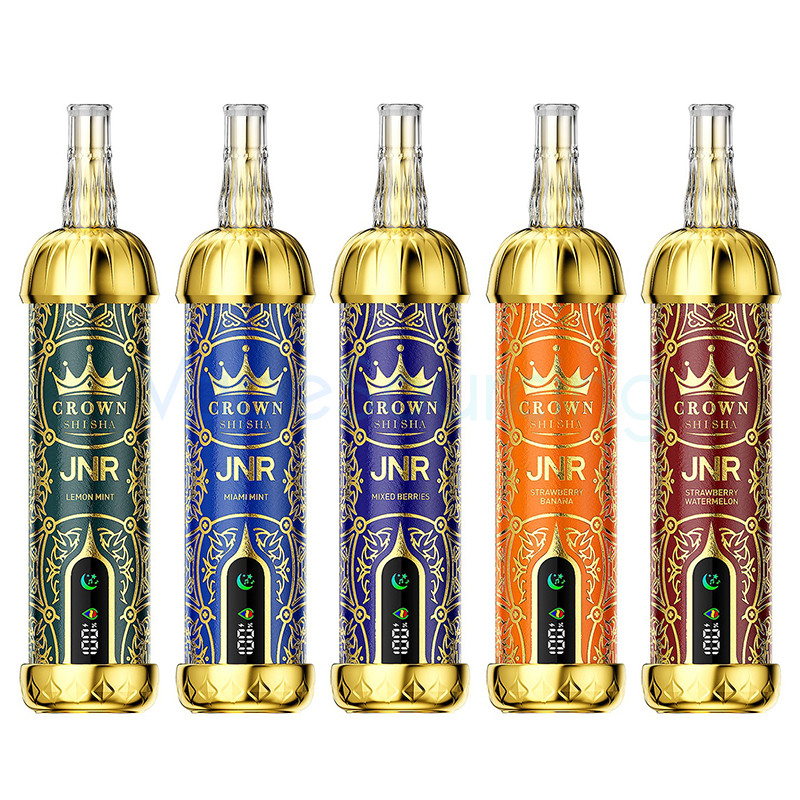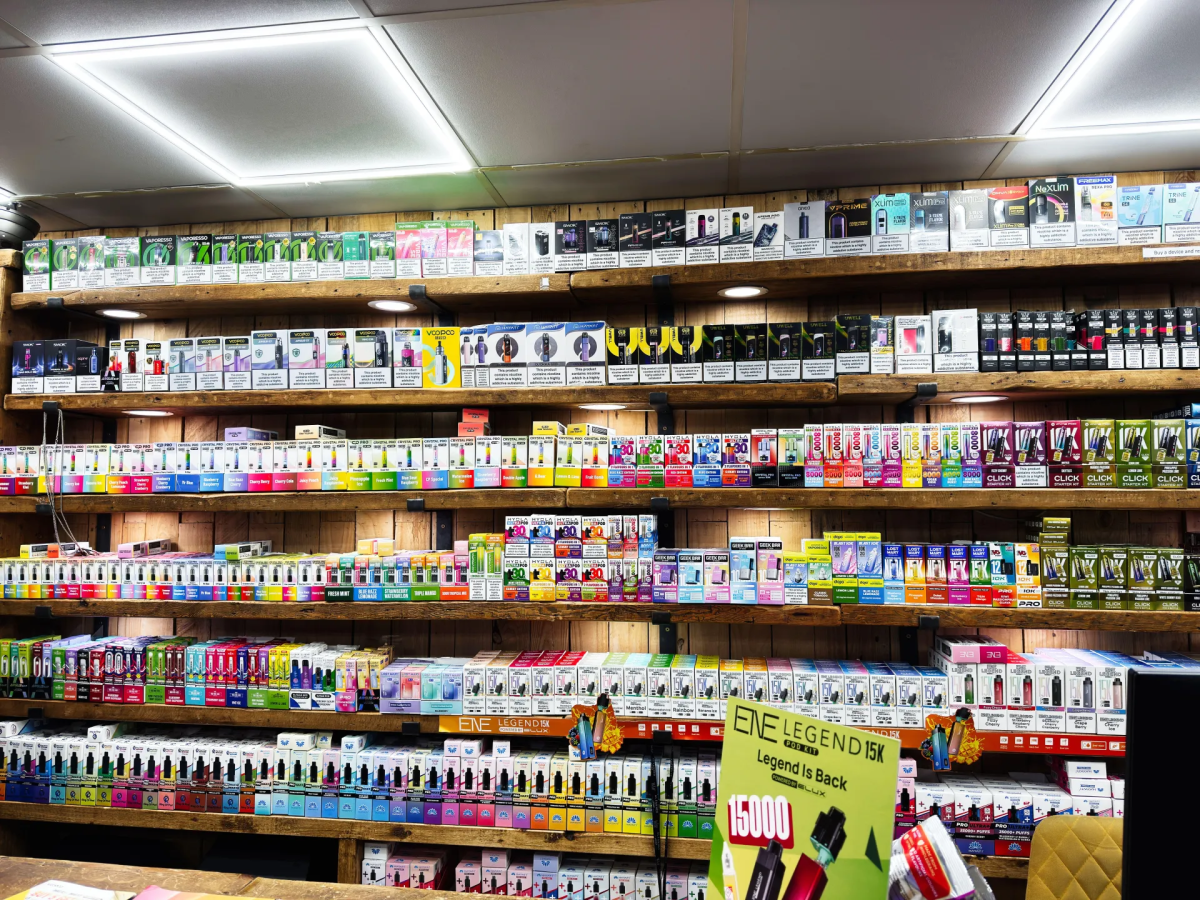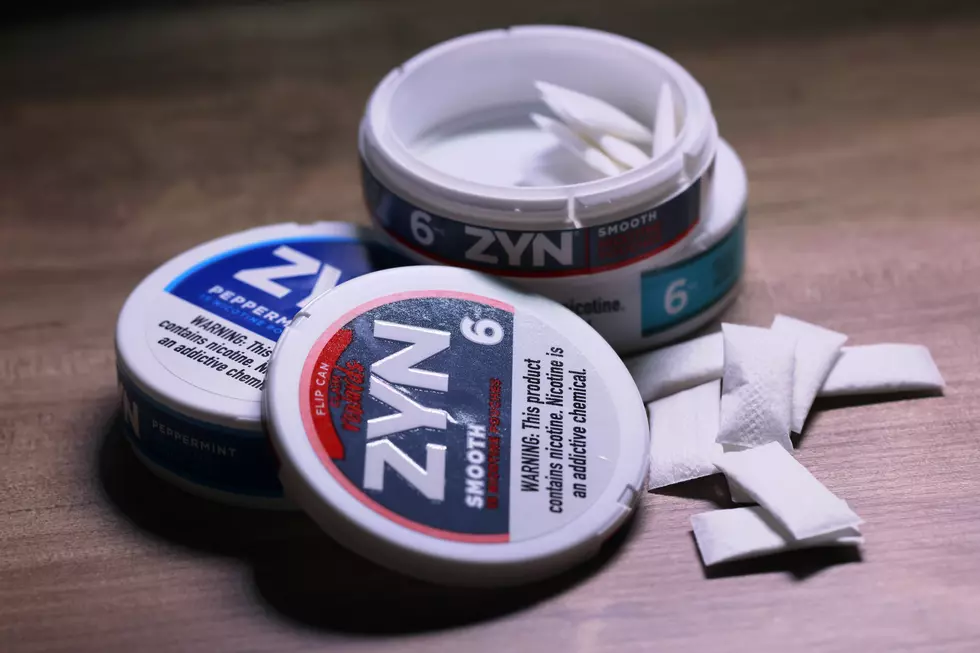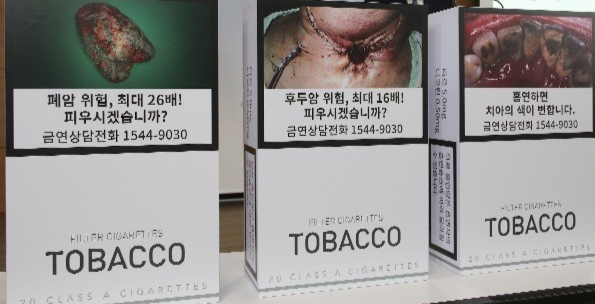
According to a report by the Yonhap News Agency on December 28, the South Korean Ministry of Food and Drug Safety (MFDS), headed by Oh Yoo-kyung, has announced 15 testing methods that can be used to analyze the 44 harmful substances found in cigarettes. These methods are necessary to validate the reliability of the test results.
These 44 constituents, designated by the World Health Organization and the Canadian Department of Health, include nicotine, tar, five types of volatile organic compounds, three types of medium-volatile organic compounds, six heavy metals, mercury, hydrogen cyanide, eight carbonyl compounds, four tobacco-specific nitrosamines, ammonia, four aromatic amides, benzo[a]pyrene, nitrogen oxide, six phenolic compounds, and carbon monoxide.
According to the regulations of the Food and Drug Administration, starting from November 2025, tobacco manufacturing, import, and sales companies are required to conduct biennial testing of harmful ingredients in cigarette products. They must also report the test results and information on tobacco additives to the Department of Food and Drug Safety. Additionally, companies are required to notify the Department of Food and Drug Safety about the inspection reports and information on raw materials and additives in tobacco. E-cigarettes have also been included as a target for the public disclosure of harmful ingredients.
The Food and Drug Safety Ministry states that this research report will contribute to the disclosure of the harmful components of tobacco, highlighting the detrimental elements in cigarettes, in order to raise public awareness about health risks. The ministry also plans to continue developing methods for tobacco analysis to ensure the smooth implementation of tobacco harm management laws.
We welcome news tips, article submissions, interview requests, or comments on this piece.
Please contact us at info@2firsts.com, or reach out to Alan Zhao, CEO of 2Firsts, on LinkedIn
Notice
1. This article is intended solely for professional research purposes related to industry, technology, and policy. Any references to brands or products are made purely for objective description and do not constitute any form of endorsement, recommendation, or promotion by 2Firsts.
2. The use of nicotine-containing products — including, but not limited to, cigarettes, e-cigarettes, nicotine pouchand heated tobacco products — carries significant health risks. Users are responsible for complying with all applicable laws and regulations in their respective jurisdictions.
3. This article is not intended to serve as the basis for any investment decisions or financial advice. 2Firsts assumes no direct or indirect liability for any inaccuracies or errors in the content.
4. Access to this article is strictly prohibited for individuals below the legal age in their jurisdiction.
Copyright
This article is either an original work created by 2Firsts or a reproduction from third-party sources with proper attribution. All copyrights and usage rights belong to 2Firsts or the original content provider. Unauthorized reproduction, distribution, or any other form of unauthorized use by any individual or organization is strictly prohibited. Violators will be held legally accountable.
For copyright-related inquiries, please contact: info@2firsts.com
AI Assistance Disclaimer
This article may have been enhanced using AI tools to improve translation and editorial efficiency. However, due to technical limitations, inaccuracies may occur. Readers are encouraged to refer to the cited sources for the most accurate information.
We welcome any corrections or feedback. Please contact us at: info@2firsts.com