Key Takeaways
• MFDS announced a 2026 plan under the Tobacco Harmfulness Management Act (effective Nov. 2025)
• Manufacturers/import sellers must commission testing for specified categories and submit results by month-end
• MFDS will coordinate testing schedules and expedite designation of qualified labs aligned with ISO 17025 requirements
• An electronic submission system will open in January; MFDS plans structured database management for review and policy evaluation
• Results are slated for October disclosure after policy committee deliberation; MFDS also cited method expansion for synthetic-nicotine e-liquids and continued development/standardization for products including nicotine pouches
2Firsts, January 16, 2026
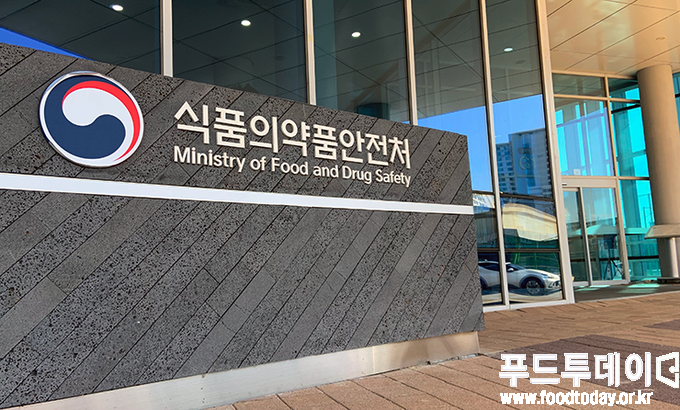
According to FoodToday, South Korea’s Ministry of Food and Drug Safety (MFDS), led by Commissioner Oh Yoo-kyung (오유경), said it has established its 2026 work plan to systematically manage harmful constituents in tobacco products and disclose related information under the Tobacco Harmfulness Management Act, which took effect in November 2025.
The report says the system provides for testing harmful constituents in tobacco and disclosing related information to support the public’s right to know and protect public health. Under requirements referenced in the report, tobacco manufacturers or import sellers must, by the end of this month, commission testing for specified products set out in an MFDS notice — 44 items covering cigarettes and cigarette-type e-cigarettes, and 20 items covering liquid-type e-cigarettes — through designated testing bodies including the Korea Conformity Laboratories and the Chungbuk National University Tobacco Smoke Analysis Center, and submit the results to MFDS.
MFDS said it will coordinate testing schedules with laboratories to support efficient testing, and that it plans to expedite designation of laboratories that meet requirements including ISO 17025 recognition and adequate personnel, facilities and equipment, in order to address field demand.
The report says an electronic system for submitting test results will open in January. MFDS plans to manage submitted results in a structured database to enable scientific and specialized review and to use the data for future policy development and evaluation.
On disclosure, the report says MFDS plans to release testing results in October after deliberation and decision by the Tobacco Harmfulness Management Policy Committee, taking into account the time needed for testing. It also describes plans to communicate disclosed information in an accessible way, including via social media, and to continue research with relevant agencies on providing useful information to consumers.
MFDS also said it will hold an online policy briefing for industry on the 16th at 2:00 p.m. to explain testing request procedures and information disclosure procedures. The report adds that, following amendments to the Tobacco Business Act, analytical methods can be applied to liquid-type e-cigarettes containing synthetic nicotine from April 24, and that MFDS will continue developing and standardizing analytical methods for products including leaf cigarettes, waterpipe tobacco and nicotine pouches, as well as gradually expanding methods for potentially harmful constituents in emissions from conventional tobacco and cigarette-type e-cigarettes.
Photo credit: FoodToday
We welcome news tips, article submissions, interview requests, or comments on this piece.
Please contact us at info@2firsts.com, or reach out to Alan Zhao, CEO of 2Firsts, on LinkedIn
Notice
1. This article is intended solely for professional research purposes related to industry, technology, and policy. Any references to brands or products are made purely for objective description and do not constitute any form of endorsement, recommendation, or promotion by 2Firsts.
2. The use of nicotine-containing products — including, but not limited to, cigarettes, e-cigarettes, nicotine pouchand heated tobacco products — carries significant health risks. Users are responsible for complying with all applicable laws and regulations in their respective jurisdictions.
3. This article is not intended to serve as the basis for any investment decisions or financial advice. 2Firsts assumes no direct or indirect liability for any inaccuracies or errors in the content.
4. Access to this article is strictly prohibited for individuals below the legal age in their jurisdiction.
Copyright
This article is either an original work created by 2Firsts or a reproduction from third-party sources with proper attribution. All copyrights and usage rights belong to 2Firsts or the original content provider. Unauthorized reproduction, distribution, or any other form of unauthorized use by any individual or organization is strictly prohibited. Violators will be held legally accountable.
For copyright-related inquiries, please contact: info@2firsts.com
AI Assistance Disclaimer
This article may have been enhanced using AI tools to improve translation and editorial efficiency. However, due to technical limitations, inaccuracies may occur. Readers are encouraged to refer to the cited sources for the most accurate information.
We welcome any corrections or feedback. Please contact us at: info@2firsts.com