Philip Morris Faces Zyn Lawsuit: A Closer Look at Their Deceptive Marketing

Regulations by 2FIRSTS.ai
Mar.13.2024
Philip Morris Faces Zyn Lawsuit: A Closer Look at Their Deceptive Marketing
Schmidt National Law Group, a San Diego-based firm, initiates legal action against Philip Morris, accusing the company of deliberately marketing Zyn nicotine pouches to underage audiences.

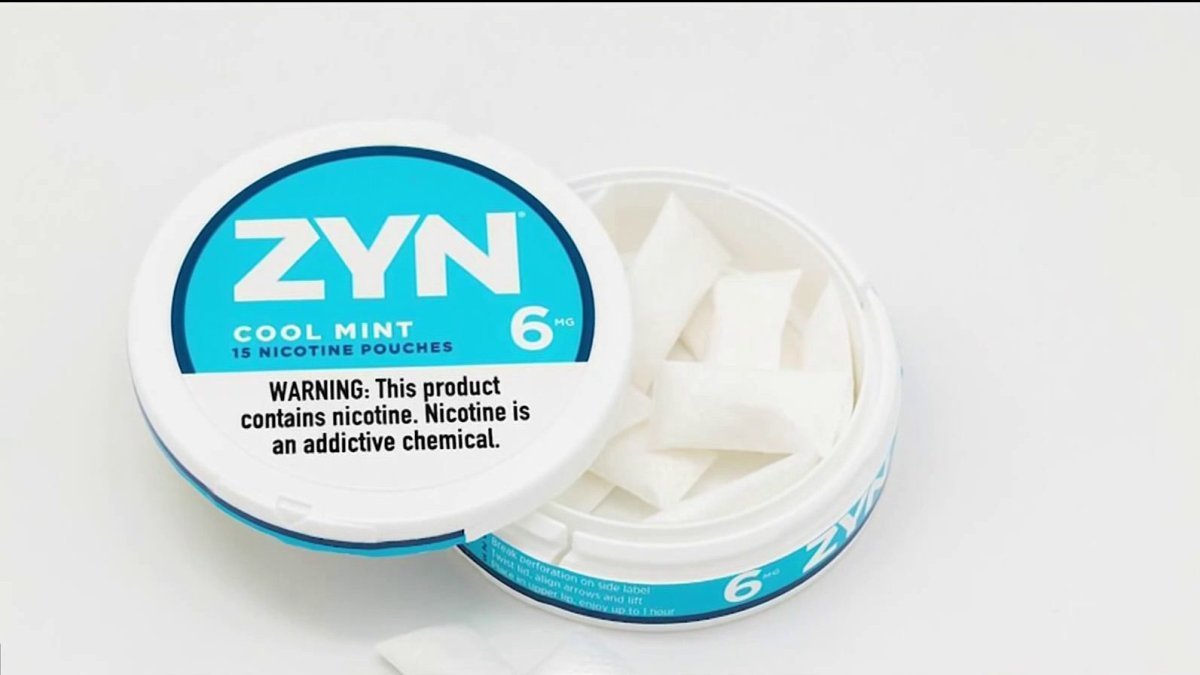
According to NBC San Diego on March 13th, the law firm Schmidt National Law Group in San Diego, California has filed a lawsuit against Zyn's manufacturer, Philip Morris, alleging that PMI is using deceptive marketing tactics to addict young people.


Martin Schmidt, owner of the firm, stated that with the introduction of Zyn, all these nicotine products share a common feature: they are targeted towards children, I mean children, middle school students, high school students, getting younger and younger.


Schmidt stated that one must be at least 21 years old to legally purchase the product, but it is still easily accessible to those under 21. The class action lawsuit seeks to obtain damages from PMI, and Schmidt expressed his desire for stricter restrictions on the product.


However, some people claim that Zyn is a safer alternative and it has become popular among college students.


We welcome news tips, article submissions, interview requests, or comments on this piece.

Please contact us at info@2firsts.com, or reach out to Alan Zhao, CEO of 2Firsts, on LinkedIn


Notice

1.  This article is intended solely for professional research purposes related to industry, technology, and policy. Any references to brands or products are made purely for objective description and do not constitute any form of endorsement, recommendation, or promotion by 2Firsts.

2.  The use of nicotine-containing products — including, but not limited to, cigarettes, e-cigarettes, nicotine pouchand heated tobacco products — carries significant health risks. Users are responsible for complying with all applicable laws and regulations in their respective jurisdictions.

3.  This article is not intended to serve as the basis for any investment decisions or financial advice. 2Firsts assumes no direct or indirect liability for any inaccuracies or errors in the content.

4.  Access to this article is strictly prohibited for individuals below the legal age in their jurisdiction.


Copyright


This article is either an original work created by 2Firsts or a reproduction from third-party sources with proper attribution. All copyrights and usage rights belong to 2Firsts or the original content provider. Unauthorized reproduction, distribution, or any other form of unauthorized use by any individual or organization is strictly prohibited. Violators will be held legally accountable.

For copyright-related inquiries, please contact: info@2firsts.com


AI Assistance Disclaimer


This article may have been enhanced using AI tools to improve translation and editorial efficiency. However, due to technical limitations, inaccuracies may occur. Readers are encouraged to refer to the cited sources for the most accurate information.

We welcome any corrections or feedback. Please contact us at: info@2firsts.com

Oklahoma prisons to sell vapes and nicotine pouches to inmates in bid to curb contraband and violence
Oklahoma Department of Corrections (DOC) will launch a program allowing inmates to buy sealed disposable nicotine vapes and packs of nicotine pouches through prison commissaries. Tobacco has been banned in Oklahoma prisons for 10 years, and cigarettes and cigars will remain prohibited.
Feb.28
China Tobacco Jiangsu Industrial Patent Points to 3D-Printed Nicotine Oral Products
Jiangsu China Tobacco Industrial Co., Ltd. has disclosed a patent describing a nicotine oral formulation produced using 3D printing technology. The invention enables a three-stage nicotine release system—rapid onset, sustained delivery and long-term release—through a layered structure with varying porosity. The technology reflects growing experimentation within China Tobacco’s research system around precision nicotine delivery for modern oral products.
Mar.09
Thailand’s DDC Files Complaint Over Online Sales of Nicotine Pouches
Thailand’s Department of Disease Control has lodged a complaint over the alleged online sale of nicotine pouches. The department said its monitoring found the products were being advertised and sold through electronic media, and a further inquiry later identified a physical shop linked to a store in Pathum Thani province.
Mar.23 by 2FIRSTS.ai
Belgium Calls for EU-Wide Limits on Vape Ingredients and Ban on Disposable E-Cigarettes
Belgian Health Minister Frank Vandenbroucke has called on the European Union to take stronger action on vaping, saying it is becoming an “epidemic” and accusing the industry of targeting young people.
Mar.26 by 2FIRSTS.ai
France’s ANSES Report Reframes the Vape Debate: Harm Reduction Confirmed, Regulatory Barriers Rising
France’s top health agency has confirmed that vaping is less harmful than smoking — but not risk-free — reshaping the country’s regulatory trajectory. As Paris withdraws a proposed vape tax and debates stricter ingredient, emissions and youth-protection rules, the ANSES report signals not prohibition, but tighter technical oversight. For manufacturers, retailers and EU policymakers, France may be previewing Europe’s next phase of nicotine governance.
Special Report
Feb.23
DTI drafts administrative order proposing an open-pod and e-liquid ban and opens it for public consultation
Department of Trade and Industry’s (DTI) proposed move to restrict harmful vape products to protect young people, but said only a total ban on all vaping and novel tobacco products would effectively safeguard public health. The group warned that limiting rules to certain products such as open pods and e-liquids could create a “dangerous behavioral loophole,” leading users—especially youth—to switch to disposable or closed-system alternatives instead of quitting.
Feb.10 by 2FIRSTS.ai