Key Takeaways
• Issue: industry concerns over a ban on refillable open-system e-cigarettes despite prior approvals
• DPVM view: Ridhwan Rosli says approved products completed lab testing and formal application processes
• Uncertainties: fate of existing inventories and whether approval fees will be refunded
• State differences: some states ban retail sales while allowing manufacturing, import and export
• Requests: clear enforcement mechanisms, a transition period to clear legally approved stock, and disclosure on approvals and fees
2Firsts, January 8, 2026 – According to The Star, Malaysia’s vape industry is raising concerns over what it describes as a policy reversal following the government’s decision to ban refillable open-system electronic cigarettes despite earlier regulatory approvals.
Industry players said the decision shows a lack of policy consistency and regulatory clarity despite prior Health Ministry approvals. Dewan Perniagaan Vape Malaysia (DPVM) secretary-general Ridhwan Rosli said the ban raised serious questions as approved products had already undergone laboratory testing and formal application processes.
Ridhwan said fees had been paid, with some products already approved, others still being processed, and some already in production. He said banning vape products after approvals were granted represents a policy U-turn that unfairly penalises traders, particularly those holding stock worth hundreds of millions of ringgit.
He said uncertainty now surrounds the fate of existing inventories and whether fees paid for approvals would be refunded. He also said there are inconsistencies at the state level, where some states ban retail vape sales but continue to allow manufacturing, import and export activities.
Ridhwan warned that banning products without clear enforcement mechanisms risks fuelling illicit markets and unregulated products, undermining consumer safety and compliant businesses. He said if the ban proceeds, the government should provide a reasonable transition period to allow traders to clear stocks that were legally approved.
He also said the government should clearly detail the total number of products already approved, those still under review, and the status of existing approvals and fees to prevent major industry losses and damage investor confidence.
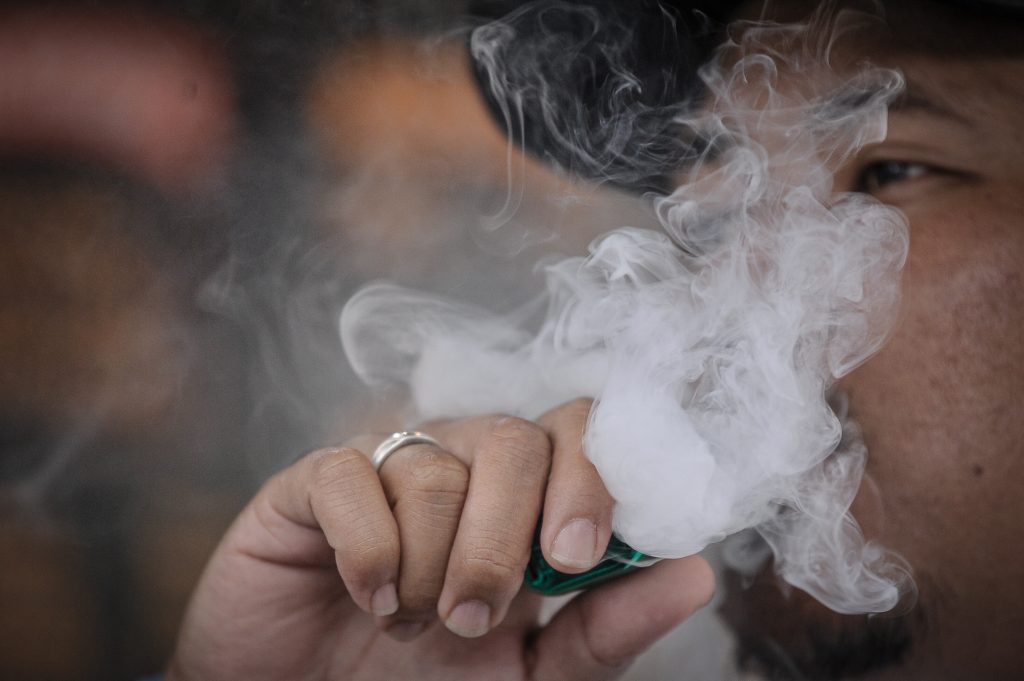
Image Source: MEDIA MULIA
We welcome news tips, article submissions, interview requests, or comments on this piece.
Please contact us at info@2firsts.com, or reach out to Alan Zhao, CEO of 2Firsts, on LinkedIn
Notice
1. This article is intended solely for professional research purposes related to industry, technology, and policy. Any references to brands or products are made purely for objective description and do not constitute any form of endorsement, recommendation, or promotion by 2Firsts.
2. The use of nicotine-containing products — including, but not limited to, cigarettes, e-cigarettes, nicotine pouchand heated tobacco products — carries significant health risks. Users are responsible for complying with all applicable laws and regulations in their respective jurisdictions.
3. This article is not intended to serve as the basis for any investment decisions or financial advice. 2Firsts assumes no direct or indirect liability for any inaccuracies or errors in the content.
4. Access to this article is strictly prohibited for individuals below the legal age in their jurisdiction.
Copyright
This article is either an original work created by 2Firsts or a reproduction from third-party sources with proper attribution. All copyrights and usage rights belong to 2Firsts or the original content provider. Unauthorized reproduction, distribution, or any other form of unauthorized use by any individual or organization is strictly prohibited. Violators will be held legally accountable.
For copyright-related inquiries, please contact: info@2firsts.com
AI Assistance Disclaimer
This article may have been enhanced using AI tools to improve translation and editorial efficiency. However, due to technical limitations, inaccuracies may occur. Readers are encouraged to refer to the cited sources for the most accurate information.
We welcome any corrections or feedback. Please contact us at: info@2firsts.com