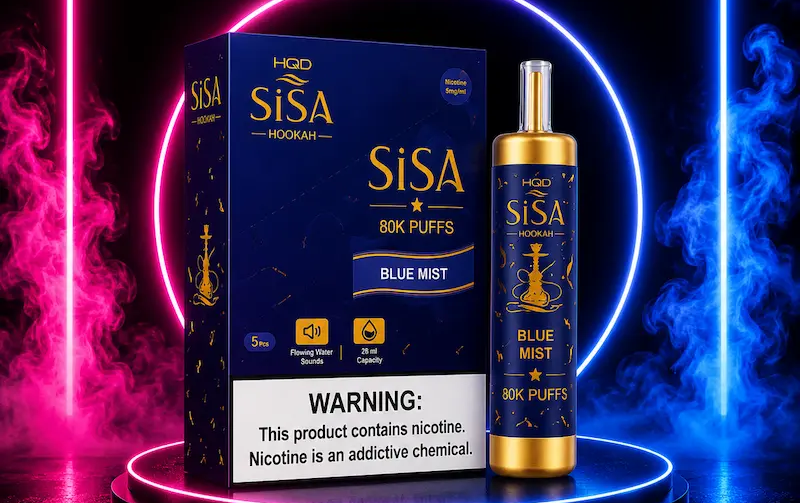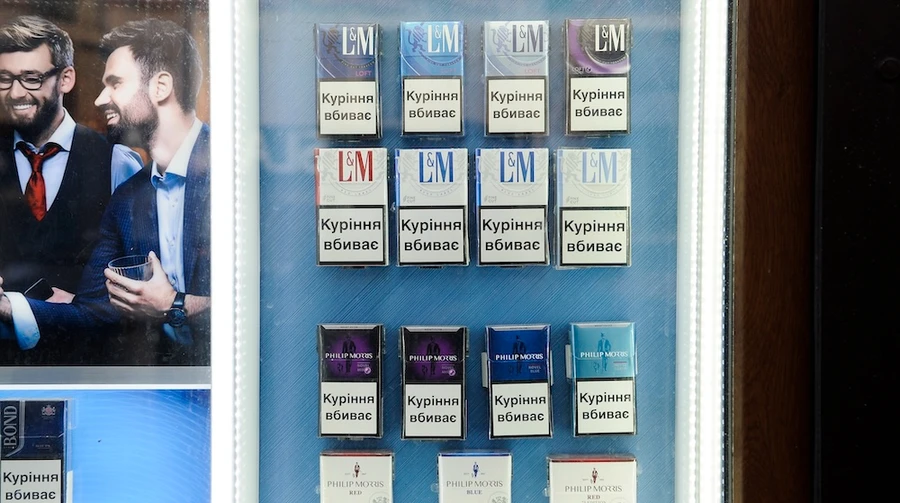
According to a report from Mexican media outlet Excelsior on May 16th, one year after the ban on electronic cigarette products, the use of e-cigarettes in the country has not shown a downward trend. Official data from the Federal Committee for Health Risk Protection in Mexico (COFEPRIS) estimates that at least 5 million Mexicans between the ages of 12 and 65 have used e-cigarettes, with 1.7 million of them being teenagers.
The President Issues Ban on E-Cigarettes
In May 2022, the President of Mexico, Andrés Manuel López Obrador, signed a decree prohibiting the import and sale of electronic cigarettes and heated tobacco products. This decision was made due to their higher health risks compared to traditional cigarettes and their negative impact on human health.
However, according to experts in the Mexican industry at that time, although the president had ordered the prohibition of the import, circulation, and commercial sales of electronic cigarettes, Mexico had weak social governance and rampant corruption among officials. These laws were not effectively enforced.
After a year has passed, the existing law still does not prohibit the circulation of electronic cigarettes. According to data from the Mexican health department, an estimated 45% of teenagers are aware of electronic cigarettes, and 1.7 million people use them.
Isaac Macip, the spokesperson for COFEPRIS, stated:
We know that it is an addictive substance because it is a stimulant to humans.
The proliferation of black market electronic cigarettes
Although the government's ban on electronic cigarettes has made the product unavailable for open sale, it has given rise to a new market - the black market for electronic cigarettes.
It has been reported that various businesses are selling electronic cigarettes in the busy commercial district of Mexico City. Prices range from 400 to 1200 Mexican pesos (about 128-384 Renminbi), depending on the brand, use or ingredients involved in the products. Some businesses opt to sell e-cigarettes online, establishing their own websites for online marketing. In addition, some malls have automated vending machines dedicated to showcasing a variety of e-cigarettes, without any human supervision.
Mexican lawmaker Salomón Chertorivski stated to the media that...
They sell it to you on the street and it's everywhere.
In March 2023, Mexican congressman Sergio Barrera Sepúlveda introduced an initiative calling for greater regulation of electronic cigarettes, citing the increased health risks to consumers posed by illegal black markets.
Outside of the school, students can purchase through electronic platforms. We see that there are many vendors outside of the school's restaurants, therefore it is necessary for us to regulate it.
The spokesman for COFEPRIS, Maxip, stated that he is aware of the marketing of electronic cigarettes in offline locations and on social networks. He added that, under the coordination of the National Committee, more than 150,000 electronic cigarettes have been seized nationwide.
Despite a nearly year-long ban on electronic cigarettes in Mexico, users of the devices have not disappeared. Electronic cigarettes continue to be prevalent in places such as restaurants, bars, and outside of schools.
Reference:
Despite the ban, vaporizers continue to be sold in the black market; 1.7 million Mexicans consume them.
Disclaimer
This article is provided solely for professional research, industry discussion, and informational purposes. Any references to brands, companies, products, technologies, or policies are made for factual reporting and analytical purposes only, and do not constitute endorsement, recommendation, promotion, or advertising by 2Firsts.
Nicotine-containing products, including but not limited to cigarettes, e-cigarettes, heated tobacco products, and nicotine pouches, carry significant health risks. Readers are responsible for complying with all applicable laws and regulations in their respective jurisdictions, including age restrictions and access limitations.
The information contained in this article should not be regarded as investment, legal, medical, regulatory, or commercial advice. While 2Firsts strives to ensure the accuracy and reliability of its content, it does not assume liability for any direct or indirect loss arising from errors, omissions, inaccuracies, or reliance on the information contained herein.
This article is not intended for individuals below the legal age for accessing tobacco or nicotine-related information in their jurisdiction.
Copyright Notice
This article is either original content produced by 2Firsts or content reproduced, translated, summarized, or adapted from third-party sources with attribution where applicable. The intellectual property rights of the original content remain with 2Firsts or the respective original rights holders.
No individual or organization may copy, reproduce, distribute, republish, modify, translate, or otherwise use this content without prior authorization. Any unauthorized use may result in legal action.
For copyright-related inquiries, corrections, or removal requests, please contact: info@2firsts.com.
AI-Assisted Translation and Editing Notice
Portions of this article may have been translated, edited, or reviewed with the assistance of artificial intelligence tools to improve efficiency and readability. Due to the limitations of AI-assisted translation and editing, discrepancies, omissions, or inaccuracies may exist when compared with the original source.
Where applicable, readers are advised to refer to the original source for the most complete and accurate information. If you identify any errors or believe that any content infringes upon your rights, please contact us at info@2firsts.com, and we will review and address the matter promptly.