Key Points:
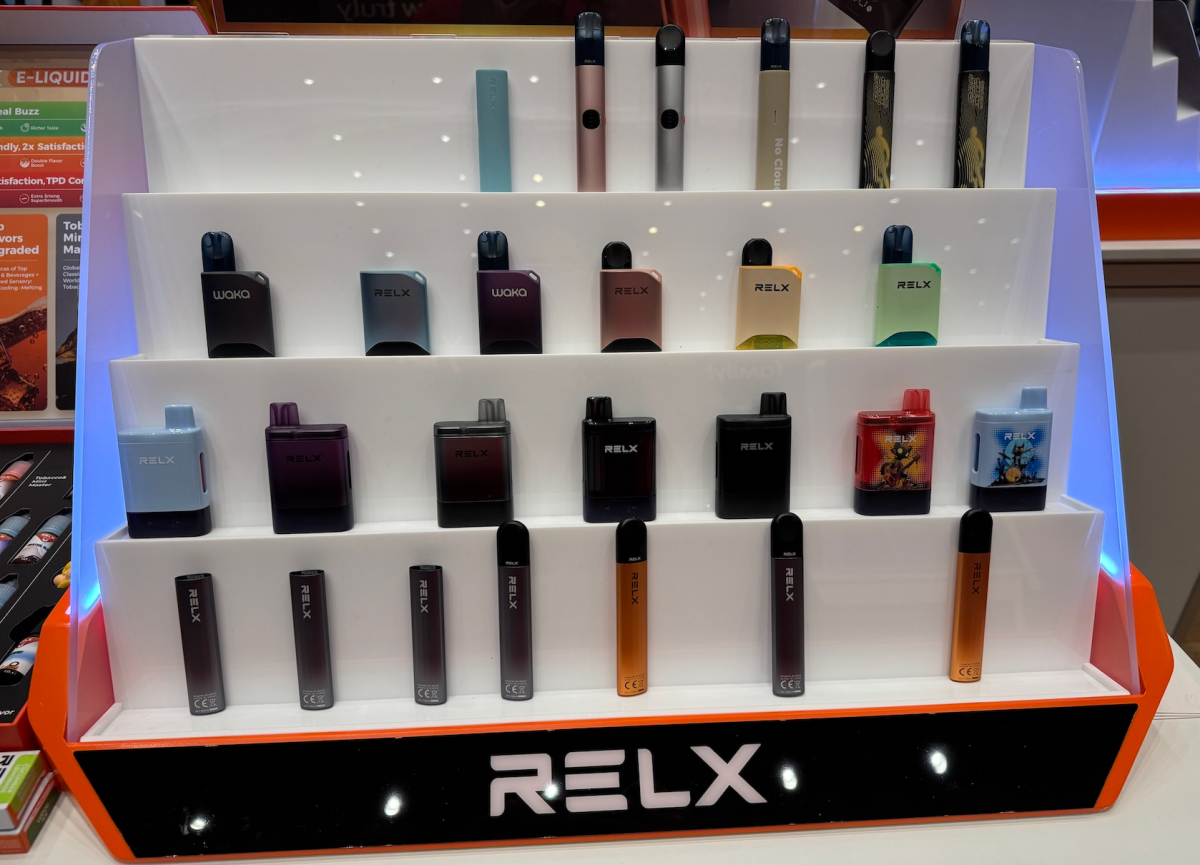
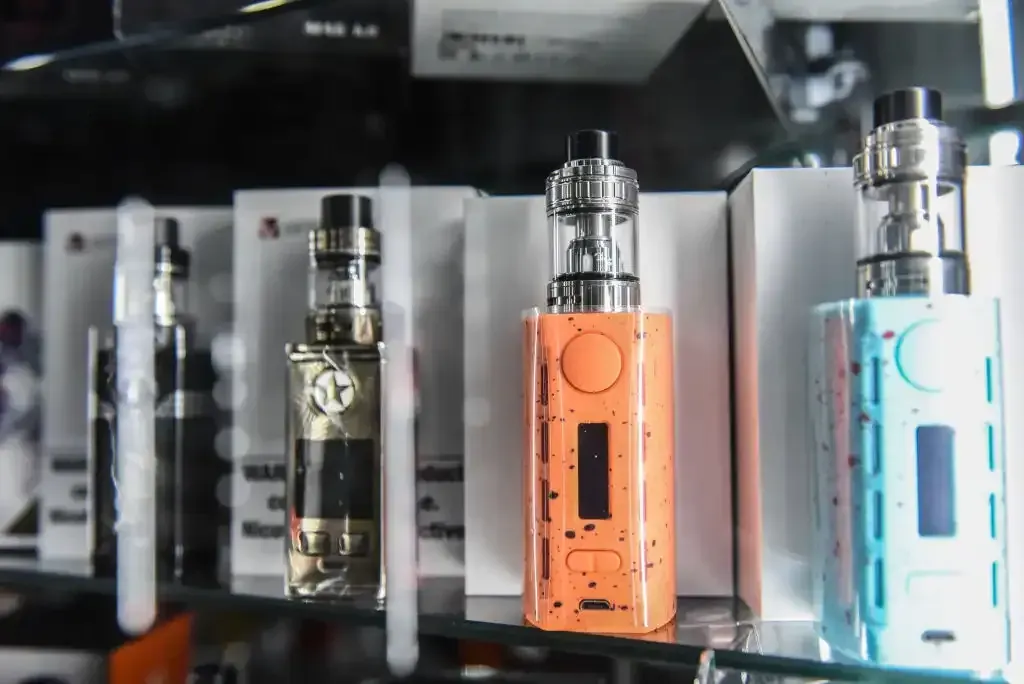
·Price control: The minimum selling price of e-cigarettes is set at $25 per unit, effective immediately.
·Location restrictions: Tobacco retail outlets are prohibited within a 500-meter radius of schools, policy to be implemented on August 1st.
·Policy goal: Interventions to address the 14% e-cigarette usage rate among youth in the city.
·Policy continuity: Following the 2024 minimum pricing of cigarettes at $15, this is another tobacco control measure.
·Expected effect: By using price leverage and channel control, reducing youth exposure to tobacco opportunities.
【2Firsts News Flash】According to a report from Mprnews on July 10th, the Minneapolis City Council unanimously passed two new smoking regulations: raising the minimum price of e-cigarettes to $25 and prohibiting new tobacco shops from opening near schools. Councilmember Katie Cashman stated during the meeting that this move aims to align e-cigarette policies with the city's restrictions on other tobacco products to prevent youth smoking. Co-sponsor of the ordinance, Councilmember Aurin Chowdhury, pointed out that this will reduce the health risks associated with smoking, including respiratory damage and mental health issues.
"We are reducing the opportunities for teenagers to come into contact with tobacco by increasing prices, which is the most effective method."
Mayor Qiao emphasized during the vote. This is another anti-smoking measure following the city's decision in 2024 to raise the minimum price of a single pack of cigarettes to $15 and prohibit stores from offering sample smoking and accepting coupons.
A 2023 survey of teenage tobacco use in Minnesota shows that nearly 14% of students surveyed had used an e-cigarette in the past 30 days. Emily Anderson, policy director of the Minnesota Non-Smokers Association, believes that new regulations will effectively protect the youth and community groups who are targeted by the tobacco industry.
"Teenagers are highly sensitive to prices. If a product exceeds their ability to pay, the likelihood of them trying, becoming addicted to, and continuing to use it into adulthood decreases significantly. Price factors can also encourage current users to quit smoking and have a significant motivating effect on hesitant smokers."
Anderson explained.
The city of St. Paul made history in 2021 by implementing a minimum cigarette price policy, the first of its kind in the United States. Compared to tax increases, setting a minimum selling price can reduce economic losses for tobacco retailers. A spokesperson for Minneapolis Mayor Jacob Frey said the mayor plans to sign the bill. The e-cigarette price increase will take effect immediately after the mayor signs it, while the tobacco shop location restrictions will be implemented starting on August 1st.
We welcome news tips, article submissions, interview requests, or comments on this piece.
Please contact us at info@2firsts.com, or reach out to Alan Zhao, CEO of 2Firsts, on LinkedIn
Notice
1. This article is intended solely for professional research purposes related to industry, technology, and policy. Any references to brands or products are made purely for objective description and do not constitute any form of endorsement, recommendation, or promotion by 2Firsts.
2. The use of nicotine-containing products — including, but not limited to, cigarettes, e-cigarettes, nicotine pouchand heated tobacco products — carries significant health risks. Users are responsible for complying with all applicable laws and regulations in their respective jurisdictions.
3. This article is not intended to serve as the basis for any investment decisions or financial advice. 2Firsts assumes no direct or indirect liability for any inaccuracies or errors in the content.
4. Access to this article is strictly prohibited for individuals below the legal age in their jurisdiction.
Copyright
This article is either an original work created by 2Firsts or a reproduction from third-party sources with proper attribution. All copyrights and usage rights belong to 2Firsts or the original content provider. Unauthorized reproduction, distribution, or any other form of unauthorized use by any individual or organization is strictly prohibited. Violators will be held legally accountable.
For copyright-related inquiries, please contact: info@2firsts.com
AI Assistance Disclaimer
This article may have been enhanced using AI tools to improve translation and editorial efficiency. However, due to technical limitations, inaccuracies may occur. Readers are encouraged to refer to the cited sources for the most accurate information.
We welcome any corrections or feedback. Please contact us at: info@2firsts.com