Key points:
·Nicotine pouch advertisements have quickly appeared on highways in Minnesota, bypassing tobacco advertising restrictions.
·These products are highly appealing to teenagers, with usage rates exceeding 5% among high school students in Minnesota and reaching 7% outside the Twin Cities metropolitan area.
·Nicotine pouches contain carcinogenic chemicals, are highly addictive, and may pose health risks.
·Lawmakers and health experts are calling for increased regulation of these products, while the industry claims they can help with smoking cessation.
【2Firsts News Flash】According to a report by FOX9 on July 14th, 27 years ago, tobacco billboards disappeared from the landscape of Minnesota, USA. However, ads for nicotine pouches are rapidly reappearing on highways.
At least for now, these billboards have sidestepped the ban on tobacco advertising because they are not tobacco products, but rather addictive chemicals found in tobacco.
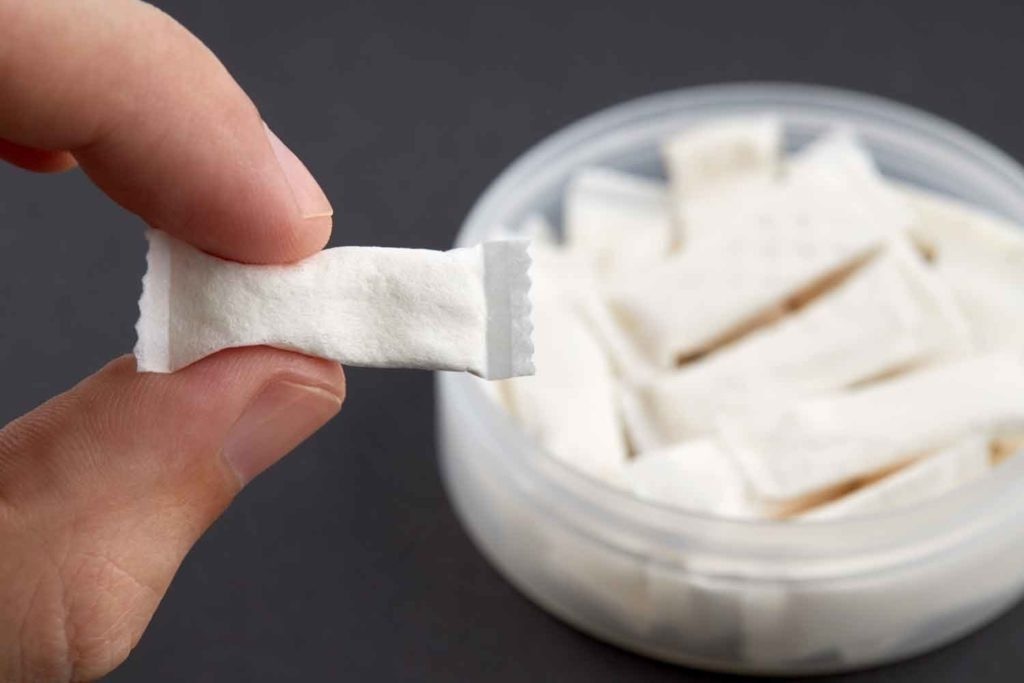
A new children's trend product, packaged in brightly colored containers, consists of small, white flavored pouches that are placed between the cheek and gums.
"They are convenient to use, flavorful, easy to conceal, and have a significant impact."
Pat McKone of the American Lung Association said.
A nicotine pouch is equivalent to the nicotine content of at least three cigarettes.
Early research indicates that they may not be as harmful as cigarettes or chewing tobacco, but many products contain carcinogenic chemicals and are highly addictive.
"They may lead to respiratory and digestive issues, increase blood pressure and heart rate, and narrow arteries, thus triggering heart attacks."
But by 2023, over 5% of high school students in Minnesota reported using nicotine pouches, rising to 7% outside the Twin Cities metro area.
They are extremely popular among teenagers. This is not a coincidence. Products like these require clever and appealing advertisements.
McCain said.
Social media is where many children first discover brands like Philip Morris International (PMI) produces ZYN and Minnesota native product Loon (Loon was founded in 2013 and is an e-cigarette manufacturer).
Today, Loon's ads can be seen everywhere on Highway 494 or Highway 280.
"We are selling highly addictive products to people. We are marketing in a way that appeals to children, which is a serious issue."
Democratic Senator John Marty said.
Since joining the legislature in 1987, Senator Marty has been dedicated to reducing tobacco smoking and advertising, and was a key advocate for the 1998 tobacco billboard restrictions.
"Absolutely pay attention to this. It is not surprising that they would resort to any means to attract more people to become addicted. I think we should have foreseen this, but we should also work to eliminate this phenomenon."
Senator Marty said.
Industry professionals have previously defended these products, claiming that they help people quit more dangerous products like cigarettes and chewing tobacco.
We welcome news tips, article submissions, interview requests, or comments on this piece.
Please contact us at info@2firsts.com, or reach out to Alan Zhao, CEO of 2Firsts, on LinkedIn
Notice
1. This article is intended solely for professional research purposes related to industry, technology, and policy. Any references to brands or products are made purely for objective description and do not constitute any form of endorsement, recommendation, or promotion by 2Firsts.
2. The use of nicotine-containing products — including, but not limited to, cigarettes, e-cigarettes, nicotine pouchand heated tobacco products — carries significant health risks. Users are responsible for complying with all applicable laws and regulations in their respective jurisdictions.
3. This article is not intended to serve as the basis for any investment decisions or financial advice. 2Firsts assumes no direct or indirect liability for any inaccuracies or errors in the content.
4. Access to this article is strictly prohibited for individuals below the legal age in their jurisdiction.
Copyright
This article is either an original work created by 2Firsts or a reproduction from third-party sources with proper attribution. All copyrights and usage rights belong to 2Firsts or the original content provider. Unauthorized reproduction, distribution, or any other form of unauthorized use by any individual or organization is strictly prohibited. Violators will be held legally accountable.
For copyright-related inquiries, please contact: info@2firsts.com
AI Assistance Disclaimer
This article may have been enhanced using AI tools to improve translation and editorial efficiency. However, due to technical limitations, inaccuracies may occur. Readers are encouraged to refer to the cited sources for the most accurate information.
We welcome any corrections or feedback. Please contact us at: info@2firsts.com