Key Points
- Fruit, candy and mint-flavoured vapes openly sold in Islamabad, Lahore and Peshawar.
- Products are cheap enough for pocket-money purchases, and age restrictions are poorly enforced.
- Activists warn the industry is misleading youth with “safer alternative” claims.
- Over 10% of Pakistani teens aged 13–15 used tobacco in 2019; recent trends show rising use due to vapes.
- Social media promotion and weak regulation are accelerating uptake.
- The 2022 National Tobacco Control Strategy focuses on traditional tobacco and does not regulate new nicotine alternatives.
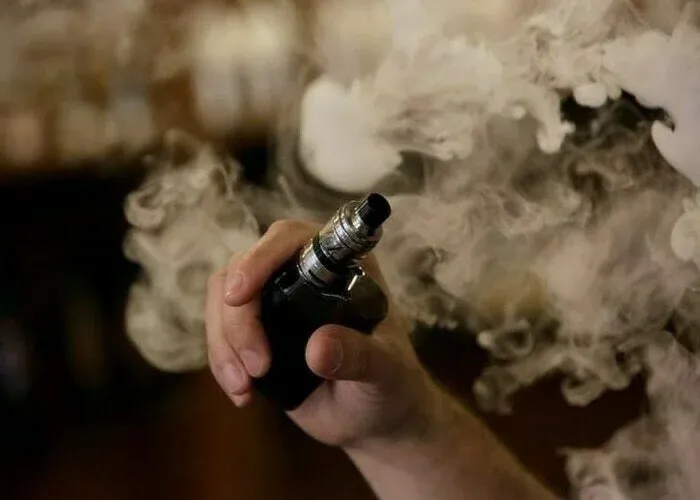
2Firsts, 14 November 2025 — Pakistan is witnessing a worrying surge in nicotine use among teenagers, with e-cigarettes and flavoured vapes becoming increasingly popular.
Once limited to traditional cigarettes, naswar, and gutka, the market now targets young people with trendy, sweet-flavoured products.
In cities like Islamabad, Lahore, and Peshawar, kiosks and small shops openly sell fruit-, candy- and mint-flavoured vapes that appeal to young customers. These items are cheap enough to be purchased with pocket money, and lax enforcement of age restrictions allows easy access.
“The industry is misleading youth by calling e-cigarettes ‘safer’,” said Qamar Naseem, a tobacco control activist in Khyber Pakhtunkhwa. “Nicotine is addictive and damaging to young minds. These products are a trap designed to create lifelong users.”
Flavoured vapes mask the harsh taste of nicotine, making them appear harmless while building addiction. Young users often move on to other tobacco products, securing a long-term market for the industry.
Evidence shows this is already happening: over 10% of teenagers aged 13–15 used tobacco in Pakistan in 2019, and recent trends suggest the numbers are growing with the popularity of vapes and e-cigarettes.
Civil society activists warn that social media marketing and weak regulations are fueling the problem.
Nicotine harms the developing brain, affecting attention, learning, and behaviour. E-cigarettes also expose users to toxic chemicals that may cause lung injuries and other health complications.
While Pakistan has initiated frameworks like the National Tobacco Control Strategy (2022), these focus on traditional products and fail to regulate new nicotine alternatives.
Immediate policy action is critical. Controlling the sale and marketing of flavoured vapes and e-cigarettes can protect Pakistan’s youth from lifelong addiction and serious health risks.
Image source: Bloomp Pakistan
We welcome news tips, article submissions, interview requests, or comments on this piece.
Please contact us at info@2firsts.com, or reach out to Alan Zhao, CEO of 2Firsts, on LinkedIn
Notice
1. This article is intended solely for professional research purposes related to industry, technology, and policy. Any references to brands or products are made purely for objective description and do not constitute any form of endorsement, recommendation, or promotion by 2Firsts.
2. The use of nicotine-containing products — including, but not limited to, cigarettes, e-cigarettes, nicotine pouchand heated tobacco products — carries significant health risks. Users are responsible for complying with all applicable laws and regulations in their respective jurisdictions.
3. This article is not intended to serve as the basis for any investment decisions or financial advice. 2Firsts assumes no direct or indirect liability for any inaccuracies or errors in the content.
4. Access to this article is strictly prohibited for individuals below the legal age in their jurisdiction.
Copyright
This article is either an original work created by 2Firsts or a reproduction from third-party sources with proper attribution. All copyrights and usage rights belong to 2Firsts or the original content provider. Unauthorized reproduction, distribution, or any other form of unauthorized use by any individual or organization is strictly prohibited. Violators will be held legally accountable.
For copyright-related inquiries, please contact: info@2firsts.com
AI Assistance Disclaimer
This article may have been enhanced using AI tools to improve translation and editorial efficiency. However, due to technical limitations, inaccuracies may occur. Readers are encouraged to refer to the cited sources for the most accurate information.
We welcome any corrections or feedback. Please contact us at: info@2firsts.com