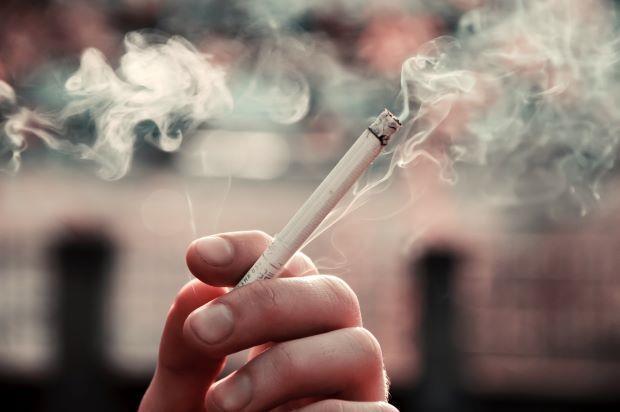
According to a report by Tribal News Network (MENAFN), on January 13th, Islamabad - the Alternative Research Initiative (ARI) once again emphasized Pakistan's determination to achieve nationwide tobacco cessation in the next decade.
Arshad Ali Syed, the project director, has pointed out that by 2024, approximately 31 million adults (13% of Pakistan's population) are estimated to be smokers. As the developed countries around the world strive to eradicate smoking, Pakistan also aims to keep pace with this progress.
Saeed acknowledges that currently the regulations regarding smoking in Pakistan are quite limited at both the federal and provincial levels. He calls on provincial governments to enact more comprehensive regulations to reduce the harm caused by smoking, to provide easier access to smoking cessation services, and to take concrete measures to eradicate smoking behavior. He particularly mentions the government's decision in February 2023 to impose an additional 150% tax on domestically produced tobacco products. This step is considered part of positive reforms. However, he emphasizes the need for further action and highlights that providing easily accessible smoking cessation services is equally important for upholding human rights.
ARI firmly believes that achieving a comprehensive smoking ban in Pakistan within the next decade is possible through evidence-based policies. Seyyed calls on the government to ensure that effective smoking cessation facilities are provided to smokers, listen to the voices of smokers, and incorporate Tobacco Harm Reduction (THR) into the national tobacco control policy.
The concept of Tobacco Harm Reduction (THR) was introduced by Michael Russell in 1976 with the aim of helping people understand that smokers primarily inhale nicotine, while the main health risks come from the tar components in tobacco. This concept suggests that if smokers can access alternative non-combustible nicotine products, they may be able to avoid the health risks associated with smoking, as burning tobacco produces smoke containing tar and other harmful substances.
We welcome news tips, article submissions, interview requests, or comments on this piece.
Please contact us at info@2firsts.com, or reach out to Alan Zhao, CEO of 2Firsts, on LinkedIn
Notice
1. This article is intended solely for professional research purposes related to industry, technology, and policy. Any references to brands or products are made purely for objective description and do not constitute any form of endorsement, recommendation, or promotion by 2Firsts.
2. The use of nicotine-containing products — including, but not limited to, cigarettes, e-cigarettes, nicotine pouchand heated tobacco products — carries significant health risks. Users are responsible for complying with all applicable laws and regulations in their respective jurisdictions.
3. This article is not intended to serve as the basis for any investment decisions or financial advice. 2Firsts assumes no direct or indirect liability for any inaccuracies or errors in the content.
4. Access to this article is strictly prohibited for individuals below the legal age in their jurisdiction.
Copyright
This article is either an original work created by 2Firsts or a reproduction from third-party sources with proper attribution. All copyrights and usage rights belong to 2Firsts or the original content provider. Unauthorized reproduction, distribution, or any other form of unauthorized use by any individual or organization is strictly prohibited. Violators will be held legally accountable.
For copyright-related inquiries, please contact: info@2firsts.com
AI Assistance Disclaimer
This article may have been enhanced using AI tools to improve translation and editorial efficiency. However, due to technical limitations, inaccuracies may occur. Readers are encouraged to refer to the cited sources for the most accurate information.
We welcome any corrections or feedback. Please contact us at: info@2firsts.com