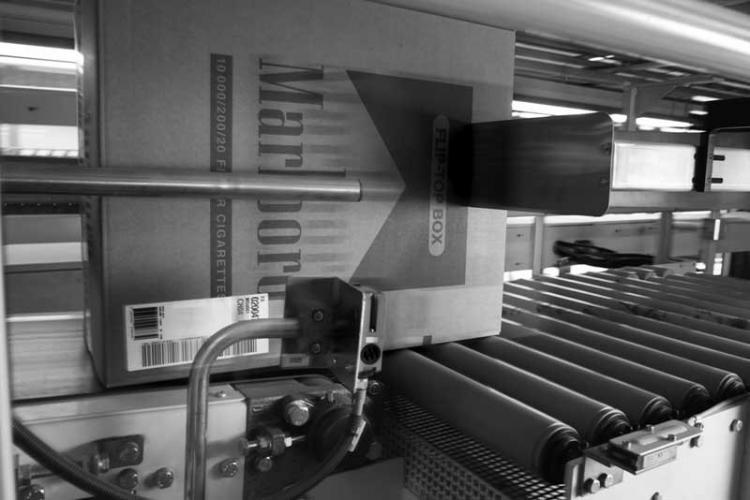
The anti-tobacco organization has raised concerns about Pakistan's decision to entrust its tobacco tracking system to the National Radio and Telecommunication Corporation (NRTC) - a company that procures tracking technology from Inexto.
Inexto has 16 former employees from Philip Morris International (PMI), including staff who were involved in the development of Codentify, a tracking system for the tobacco industry.
Pakistan has joined the Protocol to Eliminate Illicit Trade in Tobacco Products, which requires participants to establish a tobacco trade tracking system. The agreement mandates that the system "shall not be performed or delegated to the tobacco industry.
Although Codentify was sold to Inexto in 2016, critics have raised objections to PMI and Inexto's claim that the system is independent of the tobacco industry.
The anti-tobacco organization STOP stated in a case study that, in light of the tobacco industry's history, there are doubts as to whether Pakistan's system for tracking tobacco trade meets the requirements of the Illicit Trade Protocol.
There are concerns regarding the connection between NRTC and Inexto, as they lack experience in installing tracking systems, and NRTC's solution will not involve mobile applications, which were required in the original bid. Two unsuccessful bidders in the tender process are now questioning the decision of the Islamabad High Court to award the contract to NRTC.
On July 1st, the tobacco tracking system became mandatory in Pakistan. Several companies requested additional time from the Federal Board of Revenue in Pakistan to continue selling cigarettes without tax stamps and unique identification marks.
Translate to standard journalistic English: As an AI language model, my abilities include the production of natural-language text from a given prompt.
Disclaimer
This article is provided solely for professional research, industry discussion, and informational purposes. Any references to brands, companies, products, technologies, or policies are made for factual reporting and analytical purposes only, and do not constitute endorsement, recommendation, promotion, or advertising by 2Firsts.
Nicotine-containing products, including but not limited to cigarettes, e-cigarettes, heated tobacco products, and nicotine pouches, carry significant health risks. Readers are responsible for complying with all applicable laws and regulations in their respective jurisdictions, including age restrictions and access limitations.
The information contained in this article should not be regarded as investment, legal, medical, regulatory, or commercial advice. While 2Firsts strives to ensure the accuracy and reliability of its content, it does not assume liability for any direct or indirect loss arising from errors, omissions, inaccuracies, or reliance on the information contained herein.
This article is not intended for individuals below the legal age for accessing tobacco or nicotine-related information in their jurisdiction.
Copyright Notice
This article is either original content produced by 2Firsts or content reproduced, translated, summarized, or adapted from third-party sources with attribution where applicable. The intellectual property rights of the original content remain with 2Firsts or the respective original rights holders.
No individual or organization may copy, reproduce, distribute, republish, modify, translate, or otherwise use this content without prior authorization. Any unauthorized use may result in legal action.
For copyright-related inquiries, corrections, or removal requests, please contact: info@2firsts.com.
AI-Assisted Translation and Editing Notice
Portions of this article may have been translated, edited, or reviewed with the assistance of artificial intelligence tools to improve efficiency and readability. Due to the limitations of AI-assisted translation and editing, discrepancies, omissions, or inaccuracies may exist when compared with the original source.
Where applicable, readers are advised to refer to the original source for the most complete and accurate information. If you identify any errors or believe that any content infringes upon your rights, please contact us at info@2firsts.com, and we will review and address the matter promptly.