Philip Morris Brazil Urges Regulation of E-cigarettes in Brazil

PMI by 2FIRSTS.ai
Dec.18.2023
Philip Morris Brazil Urges Regulation of E-cigarettes in Brazil
Philip Morris Brazil is pressuring the Brazilian National Health Surveillance Agency (Anvisa) to regulate e-cigarettes in Brazil.

According to a report on December 15th by Brazilian newspaper, O Globo, Philip Morris Brasil is putting pressure on Brazil's National Health Surveillance Agency (Anvisa) to regulate e-cigarettes in the country.


Last Tuesday (December 12th), Anvisa conducted a public consultation on the issue of e-cigarettes. Philip Morris Brazil quickly launched a voting campaign, advocating for the regulation of electronic products. The campaign was called "I Choose," and it opposed a legislative ban on e-cigarettes, listing reasons supporting the regulation of e-cigarettes.


Philip Morris of Brazil claims that for any smoker, the best choice is to quit smoking. However, if quitting is not possible, they should opt for smokeless products such as e-cigarettes, as these products entail lesser "potential harm" to health.


Rafael Bastos, the Senior Corporate Affairs Manager of Philip Morris Brazil, stated that "smoking e-cigarettes poses significantly less harm to one's health compared to traditional tobacco combustion, which is considered the worst way to consume nicotine.


In addition, he pointed out that currently Anvisa does not know what substances are contained in e-cigarettes, which is also due to the lack of transparency in the illicit market. This issue can be resolved by implementing compliance management for e-cigarettes.


A survey conducted by the investigation agency Ipec reveals that despite a ban on the use of electronic devices since 2009, approximately 2.2 million Brazilians are e-cigarette users.


Philip Morris believes that Brazilian consumers have already made their decision to use their product, regardless of its legality. Therefore, it is necessary to regulate in order to ensure the best possible manner of consumption.


These products are increasingly entering the country, and the reasons for their entry are very clear – because of demand. Today, the smuggling of e-cigarettes is providing funding for criminal gangs," said Bastos.


The public consultation by Anvisa on the subject will continue until February 9, 2024.


We welcome news tips, article submissions, interview requests, or comments on this piece.

Please contact us at info@2firsts.com, or reach out to Alan Zhao, CEO of 2Firsts, on LinkedIn


Notice

1.  This article is intended solely for professional research purposes related to industry, technology, and policy. Any references to brands or products are made purely for objective description and do not constitute any form of endorsement, recommendation, or promotion by 2Firsts.

2.  The use of nicotine-containing products — including, but not limited to, cigarettes, e-cigarettes, nicotine pouchand heated tobacco products — carries significant health risks. Users are responsible for complying with all applicable laws and regulations in their respective jurisdictions.

3.  This article is not intended to serve as the basis for any investment decisions or financial advice. 2Firsts assumes no direct or indirect liability for any inaccuracies or errors in the content.

4.  Access to this article is strictly prohibited for individuals below the legal age in their jurisdiction.


Copyright


This article is either an original work created by 2Firsts or a reproduction from third-party sources with proper attribution. All copyrights and usage rights belong to 2Firsts or the original content provider. Unauthorized reproduction, distribution, or any other form of unauthorized use by any individual or organization is strictly prohibited. Violators will be held legally accountable.

For copyright-related inquiries, please contact: info@2firsts.com


AI Assistance Disclaimer


This article may have been enhanced using AI tools to improve translation and editorial efficiency. However, due to technical limitations, inaccuracies may occur. Readers are encouraged to refer to the cited sources for the most accurate information.

We welcome any corrections or feedback. Please contact us at: info@2firsts.com

IQOS Enters Kantar BrandZ Global Top 100 for First Time, Valued at $36.6 Billion and Ranked No. 74
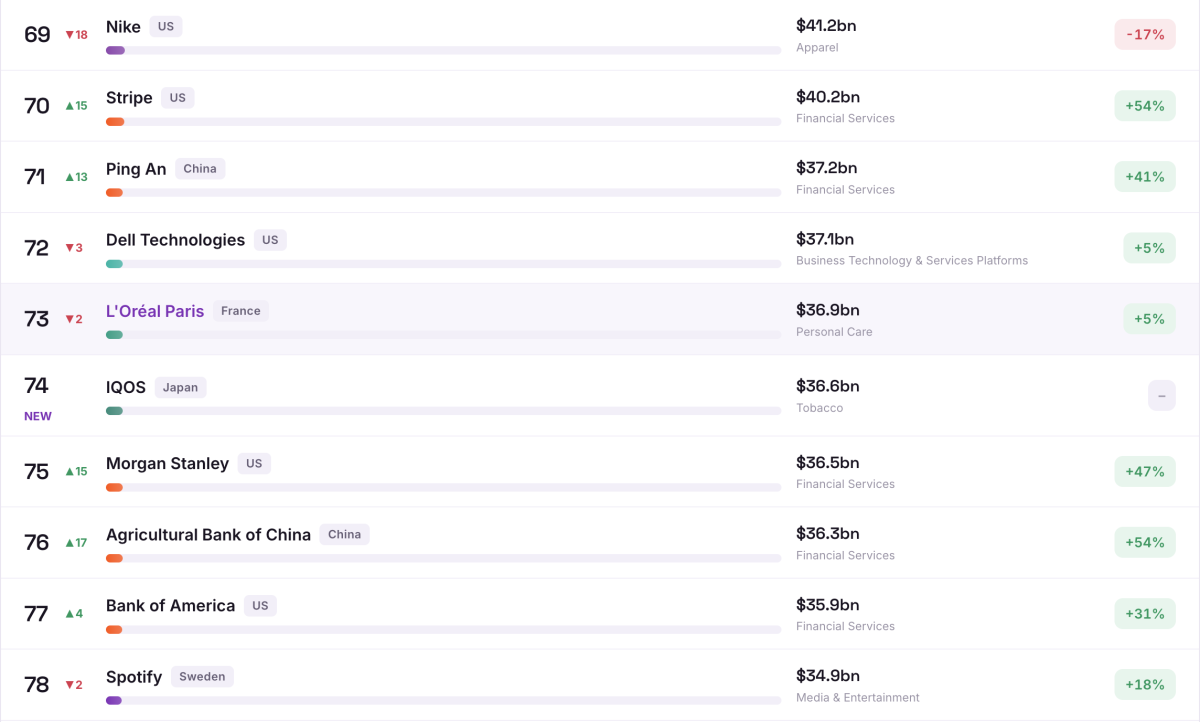
Philip Morris International’s IQOS has entered the Kantar BrandZ Top 100 Most Valuable Global Brands for the first time, ranking No. 74 with a brand value of $36.634 billion and becoming one of only three newcomers to the 2026 ranking. Kantar said the combined value of the Global Top 100 reached $13.1 trillion, up 22% year on year, while the threshold for entry rose to a record high. PMI says IQOS has more than 35 million users worldwide and surpassed $10 billion in annual net revenues within a decade of launch.
Sep.03
Altria’s USSTC Starts $250 Million Kentucky Expansion, Adding More Than 200 Jobs
U.S. Smokeless Tobacco Company, an Altria Group company, has broken ground on an approximately $250 million manufacturing expansion in Hopkinsville, Kentucky. The roughly 270,000-square-foot facility is expected to create more than 200 jobs and absorb processing, manufacturing and packaging operations currently split between Hopkinsville and Nashville, Tennessee. USSTC previously said production at its Nashville facility is expected to wind down by early 2028. The project forms part of Altria’s broader effort to modernize and consolidate its U.S. smokeless tobacco manufacturing network.
Sep.10
Arizona Turns to a 50% Retail Vape Tax as Tobacco Tax Revenue Falls 47% From 2008
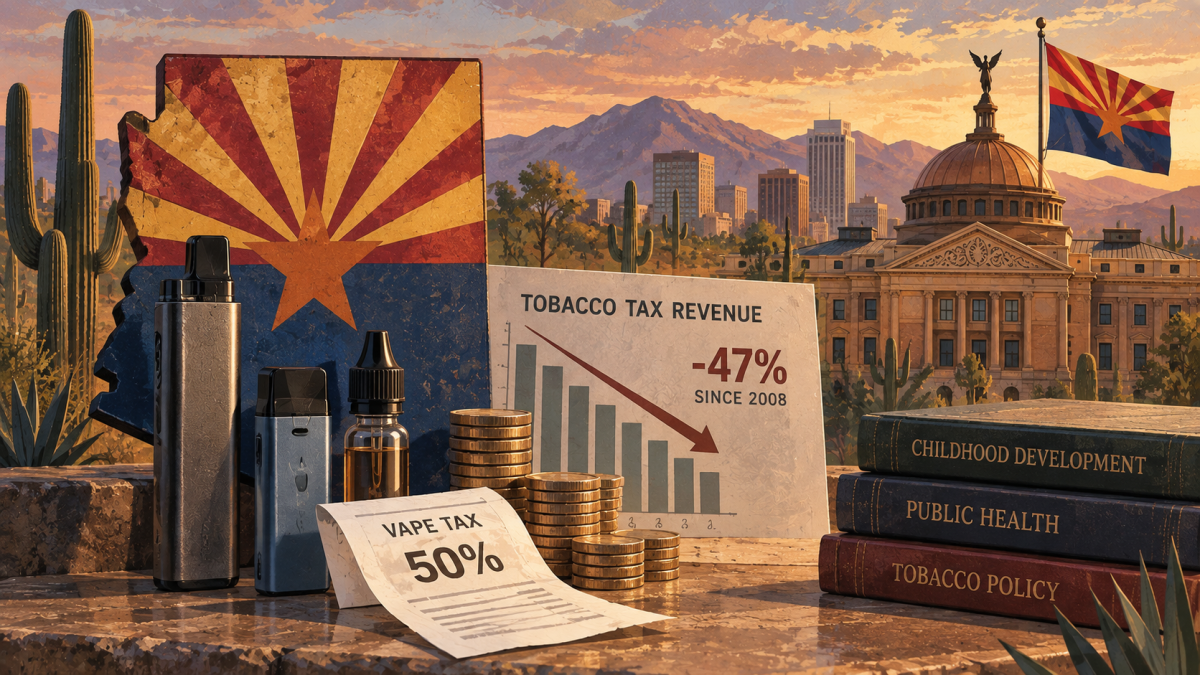
Arizona's First Things First is pushing for an excise tax equal to 50% of the retail price of vaping products, estimating that the measure could generate about $100 million annually. The agency says its tobacco-tax revenue has fallen 47% from 2008 levels. Arizona has attempted to broaden its nicotine tax base in each of the past two years: a 2025 bill proposed a 50% wholesale-price tax, while a 2026 measure shifted to a 50% retail-price tax covering alternative nicotine products and vapor products. Separately, the state enacted HB 4001 this year to establish a new licensing and sales framework for alternative nicotine products.
Sep.21
UK HMRC Unveils Red and Yellow Transitional Vape Duty Stamps Ahead of October Tax Launch
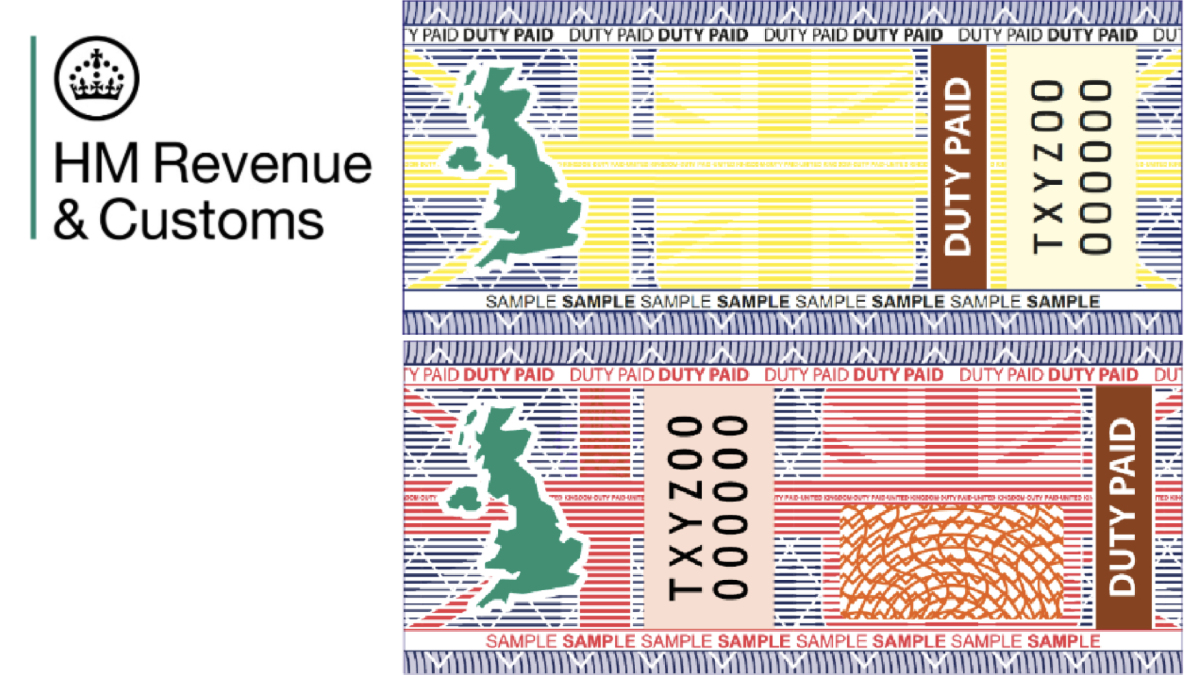
HM Revenue & Customs (HMRC) has released sample images of the UK’s transitional vaping duty stamps, showing red and yellow versions ahead of the new Vaping Products Duty and Vaping Duty Stamps Scheme starting on October 1, 2026. Transitional stamps contain physical security features but no digital scanning function. Approved businesses may purchase them through November 30 and affix them through December 31. HMRC has not stated that the red and yellow samples represent different product categories or tax statuses.
Regulations
Sep.02
Australia Adds 6-Methylnicotine to Schedule 9 Prohibited Substances, Effective October 1
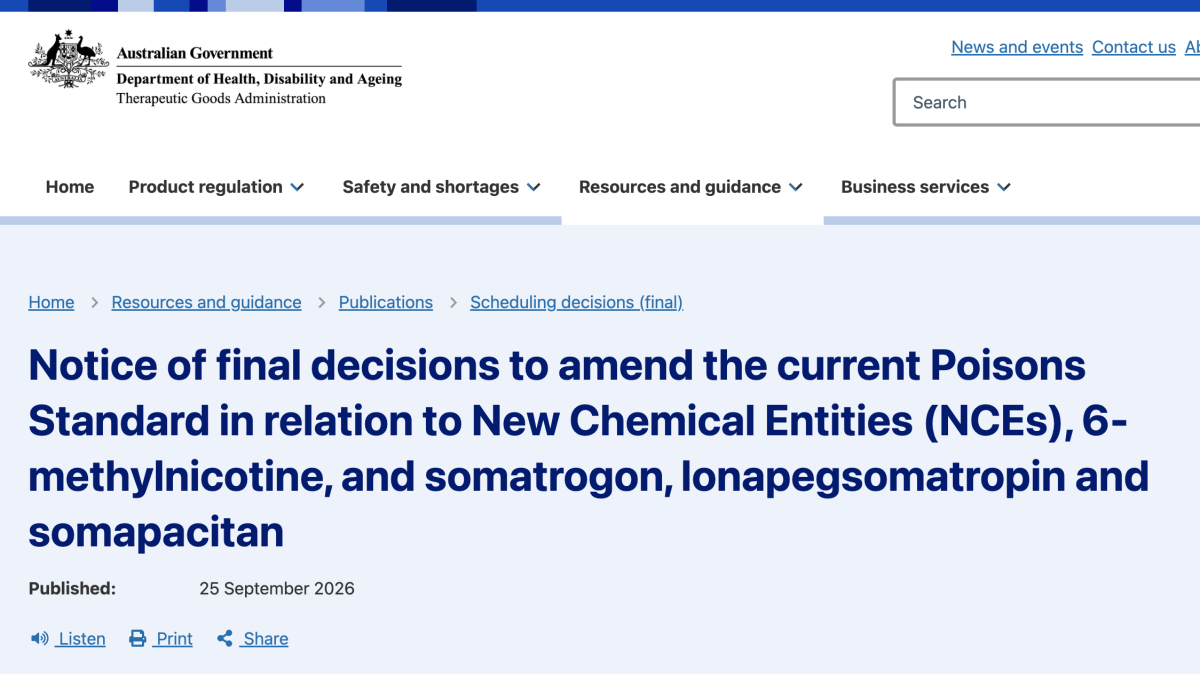
Australia's Therapeutic Goods Administration published a final decision on September 25 to classify 6-methylnicotine as a Schedule 9 prohibited substance under the Poisons Standard, effective October 1, 2026. TGA said the chemical has been reported in e-cigarette liquids sold in Australia and marketed as nicotine-free or nicotine alternatives, while evidence also indicates its use in preparations such as oral pouches. The government originally proposed a Schedule 7 classification but ultimately adopted the stricter Schedule 9 designation, citing acute toxicity, dependence risk, use in unapproved consumer products and misleading marketing.
News
Sep.29 by 2Firsts Perspectives
Australian Coalition Taskforce Calls for 80% Tobacco Tax Cut to Combat Illicit Market
According to SGST on August 26, 2026, Australia’s Coalition Illegal Tobacco Taskforce released a report recommending an up to 80% cut in tobacco excise to reduce the appeal of the illicit tobacco market. The report claimed organised crime groups now control about 80% of Australia’s tobacco market and argued that high excise rates have widened the price gap between legal and illegal products. The recommendation remains a policy proposal and has not been adopted by the Australian government, which said its focus remains on enforcement, compliance and additional resources.
Aug.27