According to a report by the Jerusalem Post, a new study has shown that Philip Morris International (PMI) has exploited a loophole in the ban on Israeli tobacco advertising.
A study published in the journal "Tobacco Control" analyzed PMI's advertising spending over four years amongst the general population, Haredi community, Arabic speakers, and Russian speakers.
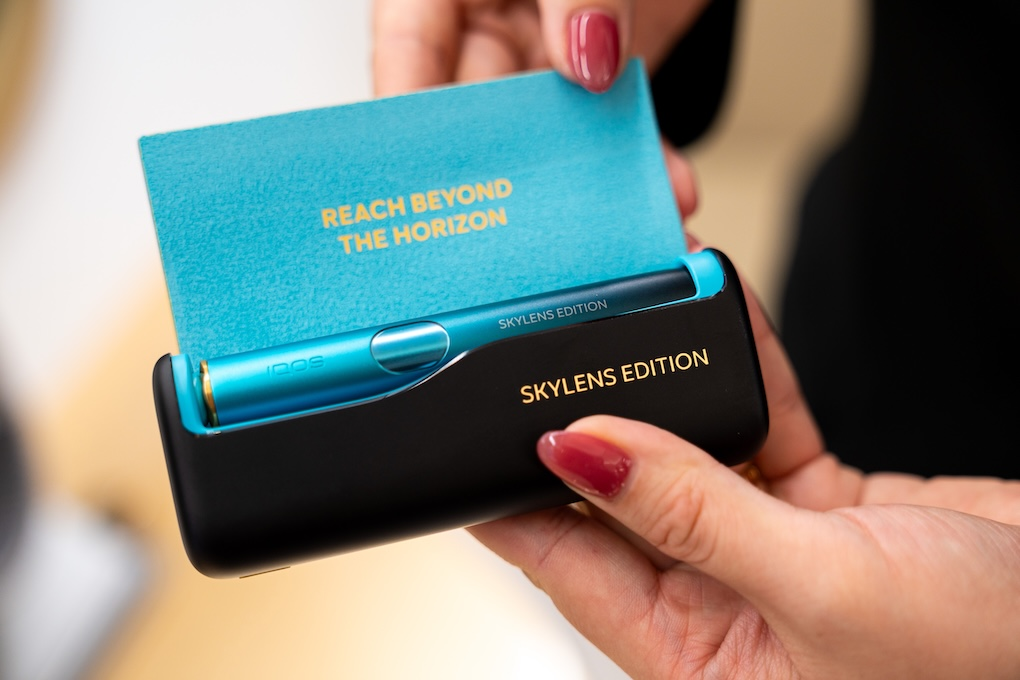
Dr. Amal Khayat stated that due to regulatory changes in tobacco product advertisements, a comparison was made of advertising expenditures for all Philip Morris cigarette brands and the IQOS brand (a type of heated tobacco stick that entered the local market in December 2016).
According to the study, advertising restrictions resulted in decreased marketing expenses for PMI. However, the company exploited legal loopholes in print media.
Even after the law had taken effect, the company continued spending almost 3 million in new shekels (about 6.078 million yuan) on advertising, with a focus on print media, according to chief researcher Yael Bar-Zeev. "While the law limits print advertising to one ad per newspaper, 40% of IQOS ads are huge, two-page ads, effectively doubling the product's ad space while still being considered a single ad under the law.
PMI also utilized QR codes to allow consumers to scan and access more information. According to the study, prior to the implementation of this law, PMI significantly increased its advertising efforts targeting the Haredi community, who previously had the lowest smoking rates in Israel.
Our data shows that since the launch of IQOS electronic cigarettes, 216 targeted advertisements have been released, with 55% aimed at the Haredi community, 6% aimed at Arab communities, and the remainder aimed at Russian-speaking audiences," said Bazelevs CEO. For regular cigarette brands, 87% of advertisements are targeted at the Haredi community.
We expect the company to focus on the demographic of Arab men, who have the highest smoking rates in Israel, rather than a population with almost no smokers," Bar-Zeev said.
After conducting research, the 24th Parliament has decided to eliminate the exemption for printed media advertisements, however, the implementation of this decision has been delayed for seven years. During this period, the use of coupons, QR codes, and advertisements for cigarettes without mandatory non-decorated packaging will be prohibited in printed media.
Disclaimer
This article is provided solely for professional research, industry discussion, and informational purposes. Any references to brands, companies, products, technologies, or policies are made for factual reporting and analytical purposes only, and do not constitute endorsement, recommendation, promotion, or advertising by 2Firsts.
Nicotine-containing products, including but not limited to cigarettes, e-cigarettes, heated tobacco products, and nicotine pouches, carry significant health risks. Readers are responsible for complying with all applicable laws and regulations in their respective jurisdictions, including age restrictions and access limitations.
The information contained in this article should not be regarded as investment, legal, medical, regulatory, or commercial advice. While 2Firsts strives to ensure the accuracy and reliability of its content, it does not assume liability for any direct or indirect loss arising from errors, omissions, inaccuracies, or reliance on the information contained herein.
This article is not intended for individuals below the legal age for accessing tobacco or nicotine-related information in their jurisdiction.
Copyright Notice
This article is either original content produced by 2Firsts or content reproduced, translated, summarized, or adapted from third-party sources with attribution where applicable. The intellectual property rights of the original content remain with 2Firsts or the respective original rights holders.
No individual or organization may copy, reproduce, distribute, republish, modify, translate, or otherwise use this content without prior authorization. Any unauthorized use may result in legal action.
For copyright-related inquiries, corrections, or removal requests, please contact: info@2firsts.com.
AI-Assisted Translation and Editing Notice
Portions of this article may have been translated, edited, or reviewed with the assistance of artificial intelligence tools to improve efficiency and readability. Due to the limitations of AI-assisted translation and editing, discrepancies, omissions, or inaccuracies may exist when compared with the original source.
Where applicable, readers are advised to refer to the original source for the most complete and accurate information. If you identify any errors or believe that any content infringes upon your rights, please contact us at info@2firsts.com, and we will review and address the matter promptly.