
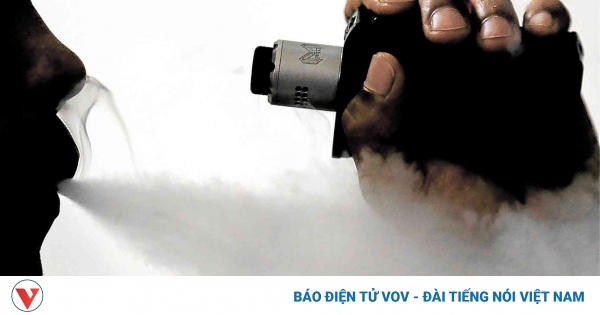
According to a report on September 19th, despite a clear ban by the Philippines on the sale and distribution of various tobacco products, particularly e-cigarettes, in schools or their surroundings, recent research suggests that many retailers have not been complying with this regulation. The repeated illegal practices have sparked a potential e-cigarette "epidemic" among the country's youth.
In order to protect adolescents from the temptation of smoking and using various tobacco products, the Philippines has implemented regulations prohibiting the sale, display, and promotion of e-cigarettes and heated tobacco products in schools and their surroundings. Despite these measures, recent studies have revealed that teenagers continue to be the target market for tobacco products. Research conducted from December 2022 to January 2023 uncovered over 2,000 locations selling tobacco products within a 100-meter radius of at least 276 schools. Among these, e-cigarettes were predominantly found in convenience stores and dedicated e-cigarette shops.
According to data from the Philippine Pediatric Society, 11% of students aged 10 to 15 have tried e-cigarettes. The Department of Education (DepEd) reports that among students in grades 7 to 9, 6.7% have tried and are currently using e-cigarettes. The main reasons for smoking are the ease of access (32%), variety of flavors (22%), and belief that e-cigarettes are safer than traditional cigarettes (17%).
This situation has prompted serious concerns, as e-cigarette companies in the market are using cunning marketing strategies to addict Filipino teenagers to nicotine, thereby posing a threat to their health.
The Philippine organization for the protection of children's rights and health is calling on the Department of Education and the University Education Commission to issue guidelines for the sale of e-cigarettes. They are also urging for a ban on the sale of these products within a 200-meter radius of schools and the establishment of multiple youth activity centers, including elementary schools, junior and senior high schools, colleges, universities, and residential areas, as well as entertainment facilities for those under the age of 18. Strict enforcement of policies prohibiting the sale and promotion of tobacco products in schools and their vicinity can help protect the well-being of Filipino youths and reduce tobacco-related deaths and diseases.
Disclaimer
This article is provided solely for professional research, industry discussion, and informational purposes. Any references to brands, companies, products, technologies, or policies are made for factual reporting and analytical purposes only, and do not constitute endorsement, recommendation, promotion, or advertising by 2Firsts.
Nicotine-containing products, including but not limited to cigarettes, e-cigarettes, heated tobacco products, and nicotine pouches, carry significant health risks. Readers are responsible for complying with all applicable laws and regulations in their respective jurisdictions, including age restrictions and access limitations.
The information contained in this article should not be regarded as investment, legal, medical, regulatory, or commercial advice. While 2Firsts strives to ensure the accuracy and reliability of its content, it does not assume liability for any direct or indirect loss arising from errors, omissions, inaccuracies, or reliance on the information contained herein.
This article is not intended for individuals below the legal age for accessing tobacco or nicotine-related information in their jurisdiction.
Copyright Notice
This article is either original content produced by 2Firsts or content reproduced, translated, summarized, or adapted from third-party sources with attribution where applicable. The intellectual property rights of the original content remain with 2Firsts or the respective original rights holders.
No individual or organization may copy, reproduce, distribute, republish, modify, translate, or otherwise use this content without prior authorization. Any unauthorized use may result in legal action.
For copyright-related inquiries, corrections, or removal requests, please contact: info@2firsts.com.
AI-Assisted Translation and Editing Notice
Portions of this article may have been translated, edited, or reviewed with the assistance of artificial intelligence tools to improve efficiency and readability. Due to the limitations of AI-assisted translation and editing, discrepancies, omissions, or inaccuracies may exist when compared with the original source.
Where applicable, readers are advised to refer to the original source for the most complete and accurate information. If you identify any errors or believe that any content infringes upon your rights, please contact us at info@2firsts.com, and we will review and address the matter promptly.


