Russian lawmaker proposes to ban e-cigarette promotion on social media platforms

Apr.17.2025
Russian lawmaker proposes to ban e-cigarette promotion on social media platforms
Russian lawmaker proposes banning e-cigarette mentions on social media to prevent negative impact on youth, calling for stricter regulations.

Key points:

A Russian lawmaker has proposed banning mentions of e-cigarettes on social media to prevent them from having a negative impact on young people.

Social media has become a platform for promoting e-cigarettes, leading young people to overlook the health risks associated with them.

He called for strengthening regulations on tobacco and nicotine products, and for strict punishment for those selling e-cigarettes to minors.


According to News.ru on April 17th, Russian Duma member Mikhail Ivanov has proposed a ban on mentions of e-cigarettes on social media to Russian Deputy Prime Minister Dmitry Grigorenko. Ivanov argues that unregulated e-cigarette advertising on the internet is having a negative impact on youth.


We have observed a concerning trend where social media has become a platform for promoting e-cigarettes. Young people, even on professional forums, are actively discussing various models, flavors, and ways of using e-cigarettes without realizing the potential health risks associated with these products.


Ivanov emphasized that any information about e-cigarettes online is fueling their popularity. He recommended strengthening regulations on the sale of tobacco and nicotine-containing products, and increasing penalties for selling e-cigarettes to minors. He stated that only a comprehensive approach can effectively address the spread of e-cigarettes among young people.


We welcome news tips, article submissions, interview requests, or comments on this piece.

Please contact us at info@2firsts.com, or reach out to Alan Zhao, CEO of 2Firsts, on LinkedIn


Notice

1.  This article is intended solely for professional research purposes related to industry, technology, and policy. Any references to brands or products are made purely for objective description and do not constitute any form of endorsement, recommendation, or promotion by 2Firsts.

2.  The use of nicotine-containing products — including, but not limited to, cigarettes, e-cigarettes, nicotine pouchand heated tobacco products — carries significant health risks. Users are responsible for complying with all applicable laws and regulations in their respective jurisdictions.

3.  This article is not intended to serve as the basis for any investment decisions or financial advice. 2Firsts assumes no direct or indirect liability for any inaccuracies or errors in the content.

4.  Access to this article is strictly prohibited for individuals below the legal age in their jurisdiction.


Copyright


This article is either an original work created by 2Firsts or a reproduction from third-party sources with proper attribution. All copyrights and usage rights belong to 2Firsts or the original content provider. Unauthorized reproduction, distribution, or any other form of unauthorized use by any individual or organization is strictly prohibited. Violators will be held legally accountable.

For copyright-related inquiries, please contact: info@2firsts.com


AI Assistance Disclaimer


This article may have been enhanced using AI tools to improve translation and editorial efficiency. However, due to technical limitations, inaccuracies may occur. Readers are encouraged to refer to the cited sources for the most accurate information.

We welcome any corrections or feedback. Please contact us at: info@2firsts.com

F1 Faces Renewed Pressure Over Tobacco and Nicotine Sponsorships as 67 Groups Target ZYN and VELO Ahead of Madrid Race
Ahead of the Formula 1 race in Madrid, 67 Spanish and international public-health, medical and consumer organizations have sent an open letter to F1 President and CEO Stefano Domenicali calling for an end to sponsorships linked to the tobacco and nicotine industry, including nicotine pouches, vaping products and heated tobacco. The letter focuses on Philip Morris International’s ZYN partnership with Ferrari and British American Tobacco’s long-running partnership with McLaren and exposure for VELO. The campaign follows a March letter in which more than 160 organizations worldwide made a similar request to Formula 1.
Sep.10
Juul Sublicense Reshapes Vuse Alto Patent Bill as Court Ends R.J. Reynolds’ 5.25% Royalty Obligation to Altria
According to Law360 on August 31, 2026, a federal judge in North Carolina ruled that a patent sublicense between R.J. Reynolds Vapor Co. and Juul Labs Inc. relieves Reynolds of its obligation to continue paying royalties to Altria Client Services LLC over Vuse Alto. A jury had previously found that Vuse Alto infringed three Altria patents and awarded approximately $95.2 million in past damages, after which Reynolds was ordered to pay an ongoing royalty equal to 5.25% of positive net sales. The new ruling finds that a valid sublicense can eliminate future infringement, potentially ending what Altria described as hundreds of millions of dollars in future royalties.
Sep.01
Trump Picks White House Health Policy Aide Heidi Overton to Lead FDA, Pending Senate Confirmation
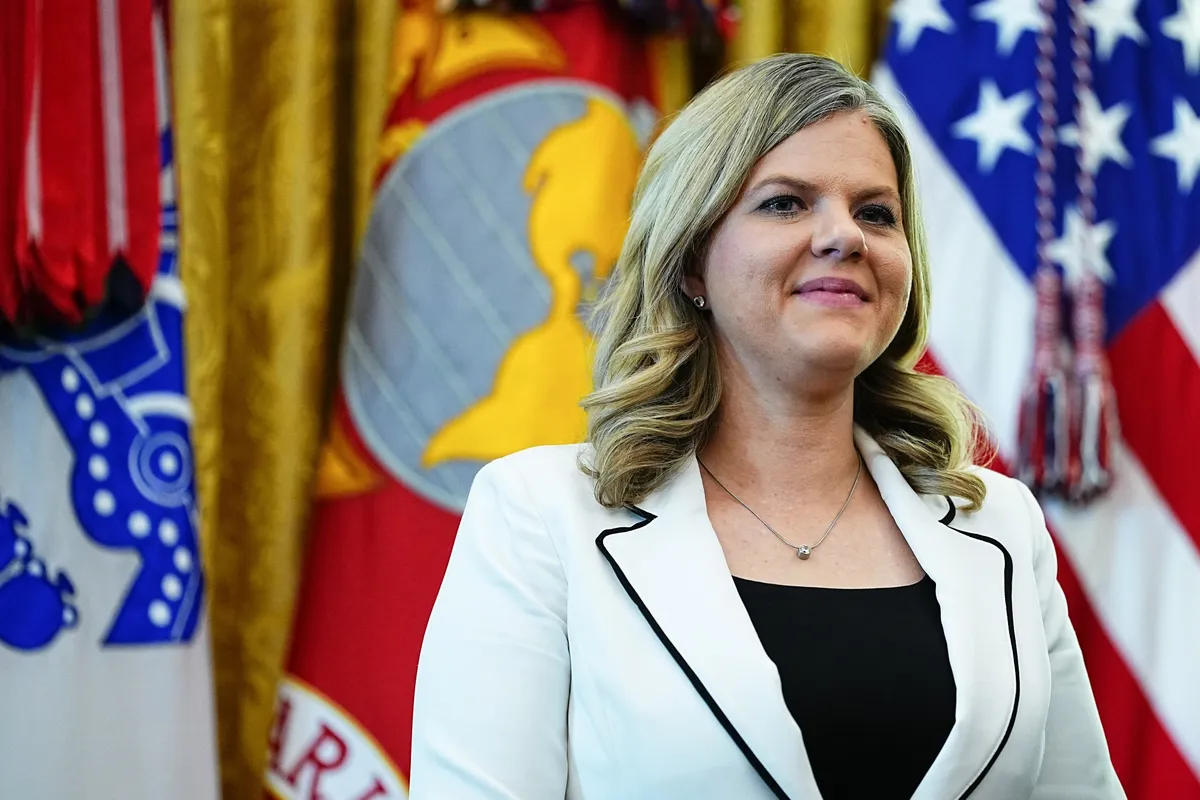
U.S. President Donald Trump has chosen White House health policy aide Heidi Overton to lead the Food and Drug Administration, Bloomberg reported, citing a person familiar with the matter. Overton currently works on health policy at the White House and previously held a senior role at the America First Policy Institute. If confirmed by the Senate, she would take over an FDA that has experienced months of senior-level turnover. The agency regulates products representing roughly one-fifth of U.S. consumer spending, including e-cigarettes, drugs, vaccines and much of the food supply.
News
Aug.19
Arizona Turns to a 50% Retail Vape Tax as Tobacco Tax Revenue Falls 47% From 2008
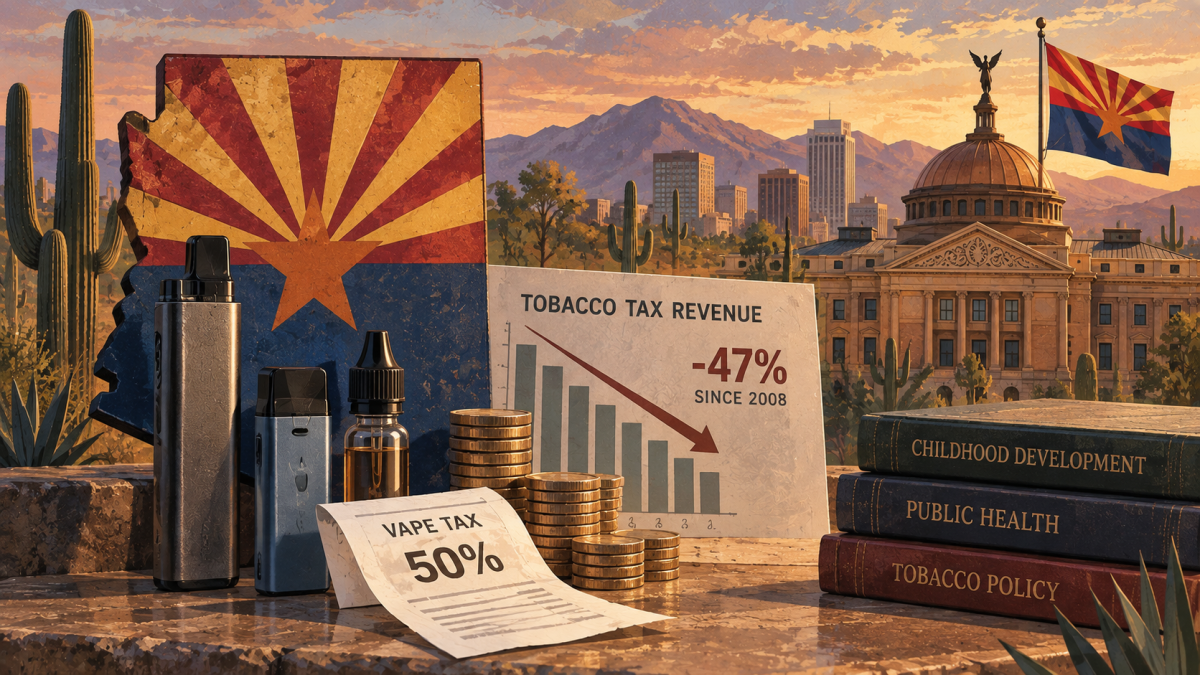
Arizona's First Things First is pushing for an excise tax equal to 50% of the retail price of vaping products, estimating that the measure could generate about $100 million annually. The agency says its tobacco-tax revenue has fallen 47% from 2008 levels. Arizona has attempted to broaden its nicotine tax base in each of the past two years: a 2025 bill proposed a 50% wholesale-price tax, while a 2026 measure shifted to a 50% retail-price tax covering alternative nicotine products and vapor products. Separately, the state enacted HB 4001 this year to establish a new licensing and sales framework for alternative nicotine products.
Sep.21
2Firsts On-Site | CTIHK Showcases Nicotine Pouches, Heated Tobacco and Chinese Cigars at InterTabac 2026
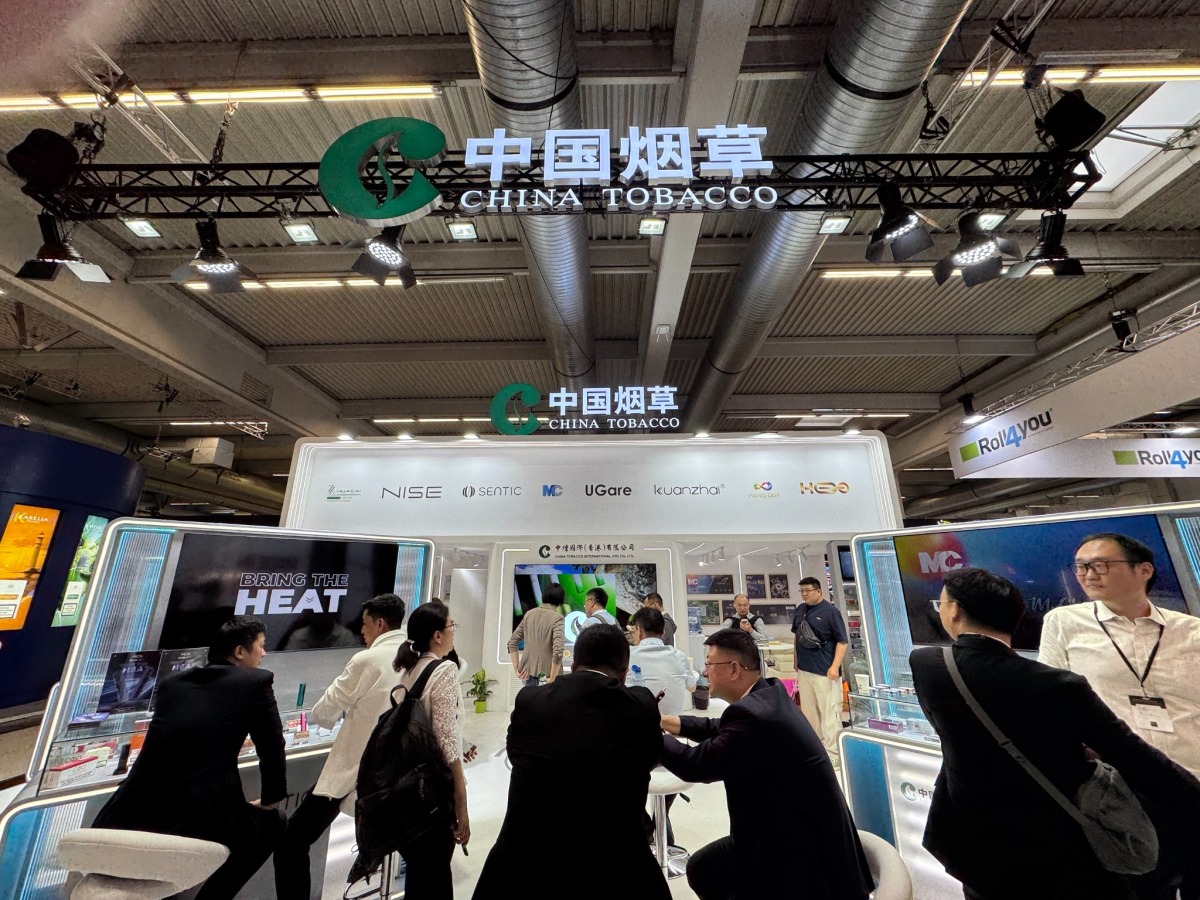
At InterTabac 2026 in Dortmund, China Tobacco International (HK) Company Limited (CTIHK) is exhibiting across two separate booths in Hall 5 and Hall 4. Products observed by 2Firsts include heated tobacco products, nicotine pouches, Chinese cigars and tobacco leaf. Nicotine pouch products on display include TOOP, Shuangxi and Ashima.
Market
Sep.16
From Border-Logistics Insiders to Retail Service Stations, Australia Mounts a Sweeping Crackdown on the Illicit Nicotine Trade as iGET Vapes Surface in A$80 Million Crime Networks
Australian authorities have disclosed two major enforcement actions that go beyond product seizures and retail closures to examine how illicit tobacco and vape networks operate. On Aug. 14, the Multi Agency Strike Team said seven people had been charged and two criminal networks were valued by authorities at a combined A$80 million, or about US$56.8 million. Investigators allege the groups used bonded warehouses, freight businesses and “trusted insiders” in legitimate industries to circumvent border controls. In a separate operation on Aug. 11, more than 100 service stations were targeted as authorities sought information on illicit tobacco importation, distribution networks and the movement of sales proceeds.
Aug.17