According to a report by Vaping360 on May 31, the Dutch Ministry of Health's subordinate agency, the National Institute for Public Health and the Environment (RIVM), has proposed standardizing the functionality and appearance of e-cigarettes. They believe that reducing the attractiveness and ease of use of e-cigarette products can help eliminate their use by young people.
The proposal, titled "Options for reducing the attractiveness of e-cigarettes through adjustments to their appearance and function," was detailed by the RIVM in April.
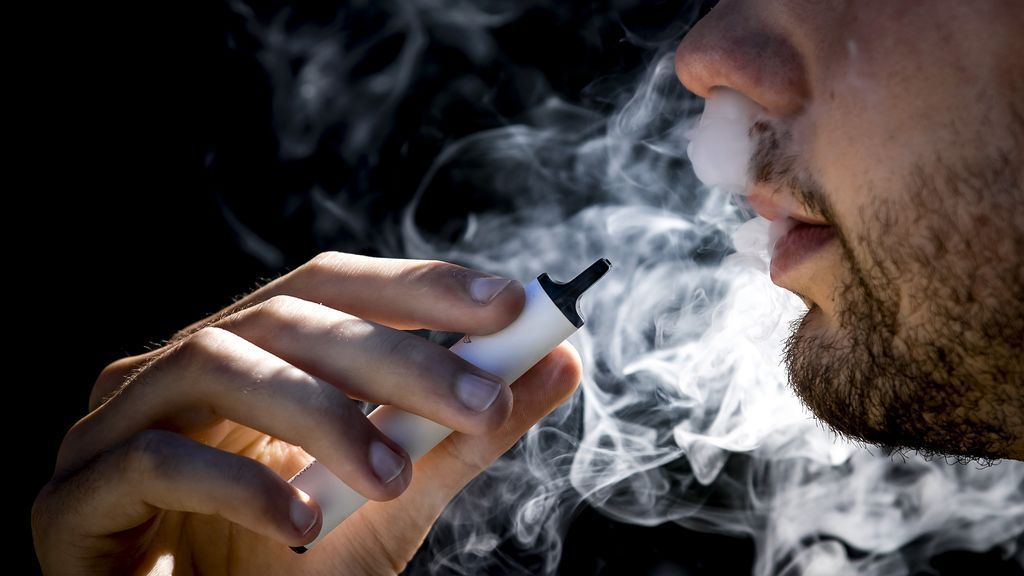
The document explains that the various existing e-cigarette products allow manufacturers to target different consumer groups based on their needs, experiences, and personal preferences. This also enables manufacturers to continue with new designs to attract a new generation of users. According to RIVM, features that make products "attractive" include "discreteness, aesthetics, technological characteristics, convenience and ease of use, modifiability, and nicotine delivery." RIVM states that these features are "seemingly common among youth and young people in the United States.
The RIVM speculates that people are less likely to use e-cigarettes that look unattractive. The RIVM points out that these consumer choices that encourage young people to use nicotine can be eliminated by regulating standardized designs.
There are various ways to standardize the design of e-cigarette devices, and more research is needed to determine which set of device characteristics can minimize the appeal of e-cigarettes to young people. By making them dark-colored or printing health warnings on them, the appeal of both tobacco and e-cigarette devices can be further reduced.
The National Institute for Public Health and the Environment in the Netherlands (RIVM) stated that the standardized e-cigarette plan is in line with the recommendations of the World Health Organization (WHO). The WHO "suggests prohibiting features that are attractive and/or promote, such as colors, regulating characteristics that allow users to manipulate the product, and limiting the impact of power on the delivery of nicotine and harmful substances.
The organization had created a list of permissible e-liquid ingredients, including known carcinogens, and forced the government to delay the flavor ban in its plan for a year.
We welcome news tips, article submissions, interview requests, or comments on this piece.
Please contact us at info@2firsts.com, or reach out to Alan Zhao, CEO of 2Firsts, on LinkedIn
Notice
1. This article is intended solely for professional research purposes related to industry, technology, and policy. Any references to brands or products are made purely for objective description and do not constitute any form of endorsement, recommendation, or promotion by 2Firsts.
2. The use of nicotine-containing products — including, but not limited to, cigarettes, e-cigarettes, nicotine pouchand heated tobacco products — carries significant health risks. Users are responsible for complying with all applicable laws and regulations in their respective jurisdictions.
3. This article is not intended to serve as the basis for any investment decisions or financial advice. 2Firsts assumes no direct or indirect liability for any inaccuracies or errors in the content.
4. Access to this article is strictly prohibited for individuals below the legal age in their jurisdiction.
Copyright
This article is either an original work created by 2Firsts or a reproduction from third-party sources with proper attribution. All copyrights and usage rights belong to 2Firsts or the original content provider. Unauthorized reproduction, distribution, or any other form of unauthorized use by any individual or organization is strictly prohibited. Violators will be held legally accountable.
For copyright-related inquiries, please contact: info@2firsts.com
AI Assistance Disclaimer
This article may have been enhanced using AI tools to improve translation and editorial efficiency. However, due to technical limitations, inaccuracies may occur. Readers are encouraged to refer to the cited sources for the most accurate information.
We welcome any corrections or feedback. Please contact us at: info@2firsts.com