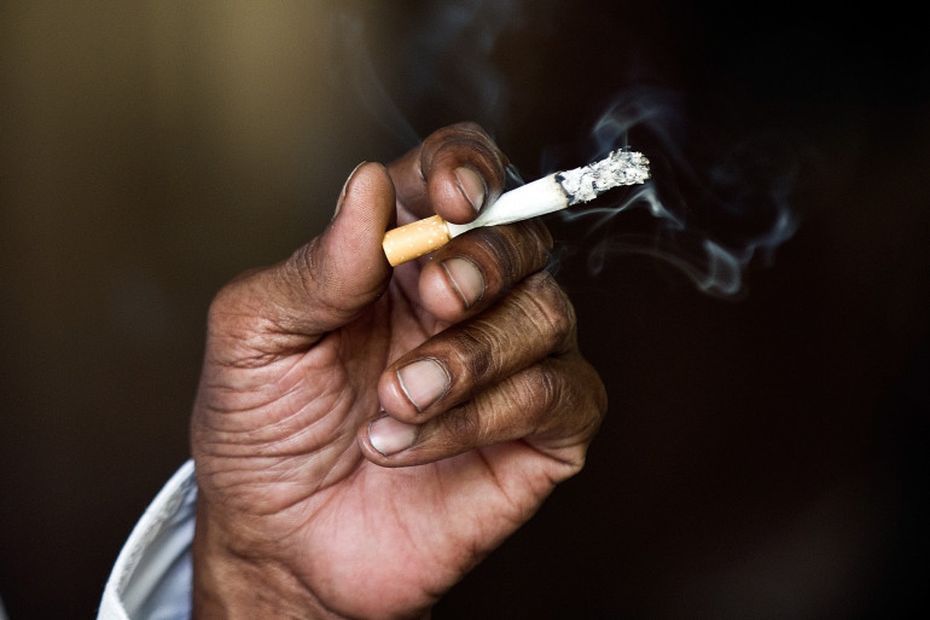
Raising Tobacco Prices: France's Effective Anti-Smoking Strategy

Regulations by 2FIRSTS.ai
Nov.29.2023
Raising Tobacco Prices: France's Effective Anti-Smoking Strategy
France's Health and Prevention Minister, Aurélien Rousseau, announces a national anti-smoking plan to increase tobacco prices for smoking prevention.

In a press conference held on November 28th, French Health and Prevention Minister Aurélien Rousseau informed the media that "increasing tobacco prices" is the most effective anti-smoking measure, according to the World Health Organization (WHO) and all independent studies.


The aim of this initiative is to create a "smoke-free generation" in France by 2032, which is a commitment made by the current President of France, Emmanuel Macron.


In order to achieve this goal, Minister of Health Rousseau elaborated on the two main pillars of the plan: "strengthening taxation on tobacco and implementing prohibitions.


The primary objective is to prevent people, especially young individuals, from starting to smoke and to better assist smokers in quitting, particularly those who have limited financial means. As a key measure, the plan aims to increase prices and reduce the affordability of cigarettes.


Currently, the prices of tobacco brands have reached 11 euros per pack of 20 cigarettes. It is expected that this price will increase to at least 13 euros by 2026, with a first increase to 12 euros in 2025.


Cigarette packaging prices are set to increase starting January 1, 2024, due to inflation, causing a price hike of 40 to 50 euro cents.


In addition, Rousseau also announced, "According to Prime Minister Elizabeth's commitment, we will prohibit the use of disposable e-cigarettes, as it is an absurd practice in terms of public health and environmental protection.


A proposal to ban the sale of disposable e-cigarettes, particularly those favored by teenagers, has been put forth by a bipartisan bill. This bill will be reviewed by the committee on Tuesday afternoon and deliberated in the House of Representatives on December 4th.


Furthermore, it was announced by Rousso that all beaches, public parks, forests, and certain public places, especially those surrounding schools, will be designated as smoke-free zones.


"Smoke-free will now become the norm," he insisted. Smoke-free zones, which currently number over 7,200 and are present in more than 73 districts, are primarily the result of local government initiatives. "Today, we are taking responsibility and establishing this principle as a rule," he further explained.


Opposition to the cigarette plan intends to continue the efforts made in recent years to make tobacco less attractive by implementing neutral packaging without any branding for all tobacco and e-cigarette products.


The government plans to introduce a new "My Prevention Assessment" mechanism during crucial moments in people's lives to help smokers quit. The Ministry of Health assures that it will be a systematic opportunity to identify tobacco addiction. All stakeholders in the tobacco economy, especially tobacco retailers, will receive the necessary support to transform their industry.


We welcome news tips, article submissions, interview requests, or comments on this piece.

Please contact us at info@2firsts.com, or reach out to Alan Zhao, CEO of 2Firsts, on LinkedIn


Notice

1.  This article is intended solely for professional research purposes related to industry, technology, and policy. Any references to brands or products are made purely for objective description and do not constitute any form of endorsement, recommendation, or promotion by 2Firsts.

2.  The use of nicotine-containing products — including, but not limited to, cigarettes, e-cigarettes, nicotine pouchand heated tobacco products — carries significant health risks. Users are responsible for complying with all applicable laws and regulations in their respective jurisdictions.

3.  This article is not intended to serve as the basis for any investment decisions or financial advice. 2Firsts assumes no direct or indirect liability for any inaccuracies or errors in the content.

4.  Access to this article is strictly prohibited for individuals below the legal age in their jurisdiction.


Copyright


This article is either an original work created by 2Firsts or a reproduction from third-party sources with proper attribution. All copyrights and usage rights belong to 2Firsts or the original content provider. Unauthorized reproduction, distribution, or any other form of unauthorized use by any individual or organization is strictly prohibited. Violators will be held legally accountable.

For copyright-related inquiries, please contact: info@2firsts.com


AI Assistance Disclaimer


This article may have been enhanced using AI tools to improve translation and editorial efficiency. However, due to technical limitations, inaccuracies may occur. Readers are encouraged to refer to the cited sources for the most accurate information.

We welcome any corrections or feedback. Please contact us at: info@2firsts.com

South Korea Constitutional Court Upholds Volume-Based E-Liquid Tax, With Challenged Rates at KRW 370 and KRW 628 per Milliliter
South Korea's Constitutional Court has upheld fixed taxes on nicotine-containing e-cigarette liquids based on solution volume, ruling that challenged provisions imposing KRW 370 per milliliter in individual consumption tax and KRW 628 per milliliter in tobacco consumption tax do not violate the Constitution. The cases stemmed from historical disputes involving importers that reported nicotine as being extracted from tobacco stems rather than leaves. South Korea has since broadened its tobacco definition to include synthetic nicotine, while current tax laws provide reduced rates for certain products not derived from tobacco.
Sep.18
Special Report | Can Nicotine Be Replaced? 6-MN Is Already on the Market While Key Human Evidence Is Still Missing
Nicotine analogues such as 6-methylnicotine are already appearing in e-cigarettes and oral pouches, even as key human evidence remains limited. A new Nixodine-S study adds nonclinical data showing differences from nicotine in cytotoxicity and receptor activity, while independent studies point to a more complex toxicological picture. With supply-chain activity growing and FDA seeking clearer authority over nicotine analogues, the industry now faces a larger question: what evidence is needed before these substances can credibly replace nicotine?
SCIENCE
Sep.23
HG Innovation, linked to IMiracle and ELFBAR, wins China patent for 6-methylnicotine salts covering vaping and oral products
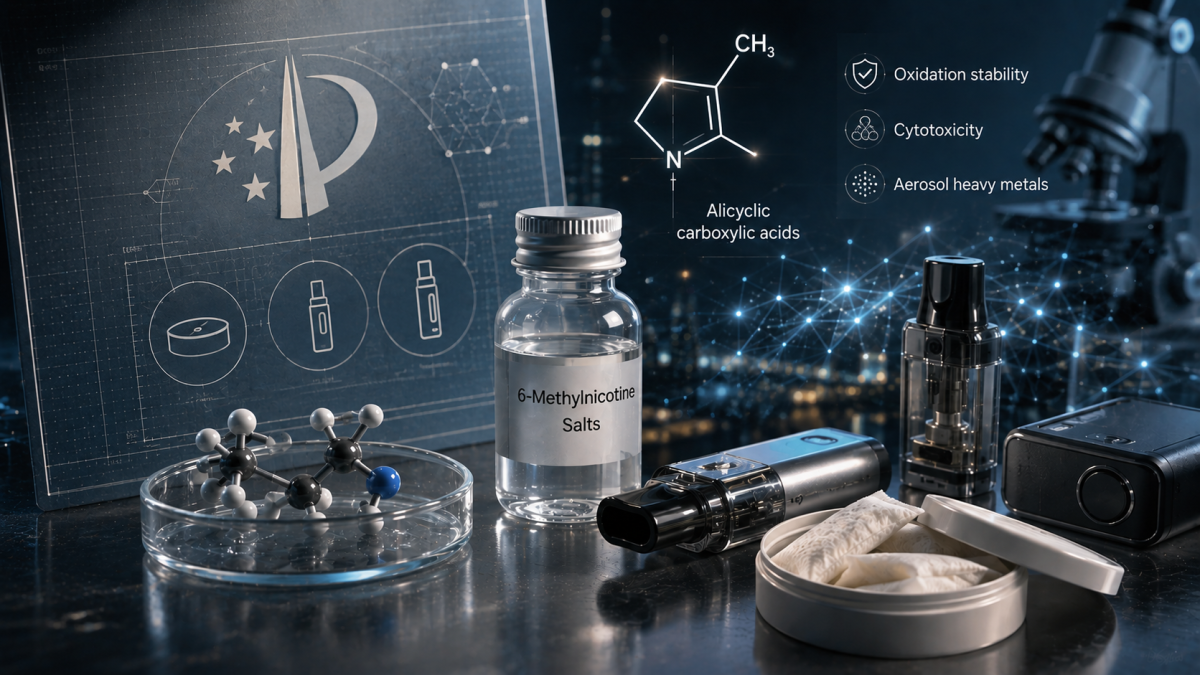
HG Innovation Limited has been granted a Chinese invention patent covering 6-methylnicotine salt formulations and their use in oral and vaping products. The technology forms salts between 6-methylnicotine and alicyclic carboxylic acids, with granted claims extending to oral products, atomization substrates and electronic atomization devices. Applicant-generated tests reported differences in oxidation stability, in-vitro cytotoxicity and aerosol heavy-metal performance compared with selected benzoate or lactate controls. HG Innovation is directly linked to the broader IMiracle and ELFBAR business network.
Sep.04
STIIIZY Redesign Fails to Escape PAX Labs Patent Import Ban as Section 337 Case Also Involves China ALD
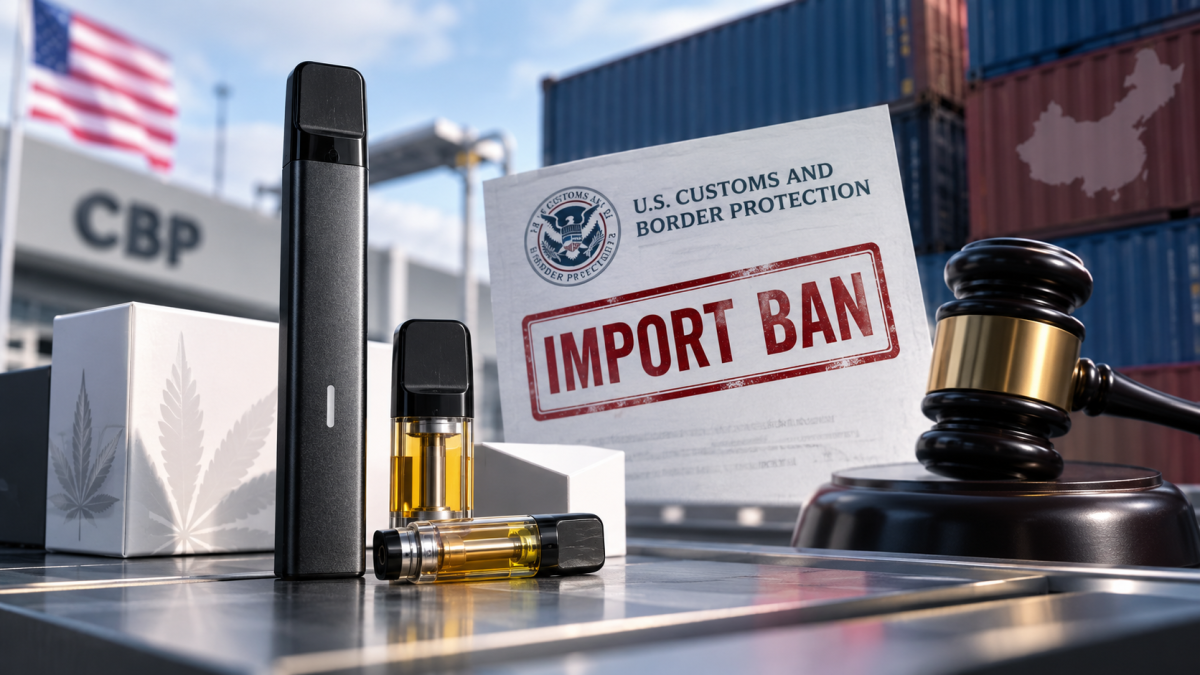
U.S. Customs and Border Protection ruled that STIIIZY had not shown that the redesigned cannabis-vape products covered by its latest request fall outside an ITC limited exclusion order tied to PAX Labs patents. CBP accepted some of STIIIZY’s claim-construction and non-infringement arguments, but the company did not address two additional claims in the same patent. Earlier STIIIZY redesigned cartridges and certain associated components imported with them had received separate CBP clearance.
Sep.16
Malaysia Liquid Nicotine Returns to Poisons List, Leaving Vape Retail and RM354 Million Tax Collection in Legal Uncertainty
Malaysia’s withdrawal of its appeal in a landmark liquid-nicotine case has left a High Court ruling that struck down the 2023 nicotine exemption in force, bringing liquid and gel nicotine used in vaping products back under the Poisons Act 1952. At the same time, the Control of Smoking Products for Public Health Act 2024 continues to provide a regulatory framework for vaping products, creating uncertainty over retail sales, taxation and existing inventory. MPs are calling for nicotine vape sales and excise collection to stop, including refunds of more than RM354 million collected since 2023, while industry and consumer groups are asking the government to clarify the current legal position.
Sep.04
India Steps Up Nicotine Pouch Enforcement as ZYN, White Fox Circulate and Drug Panel Urges Halt to New Nicotine Formulations
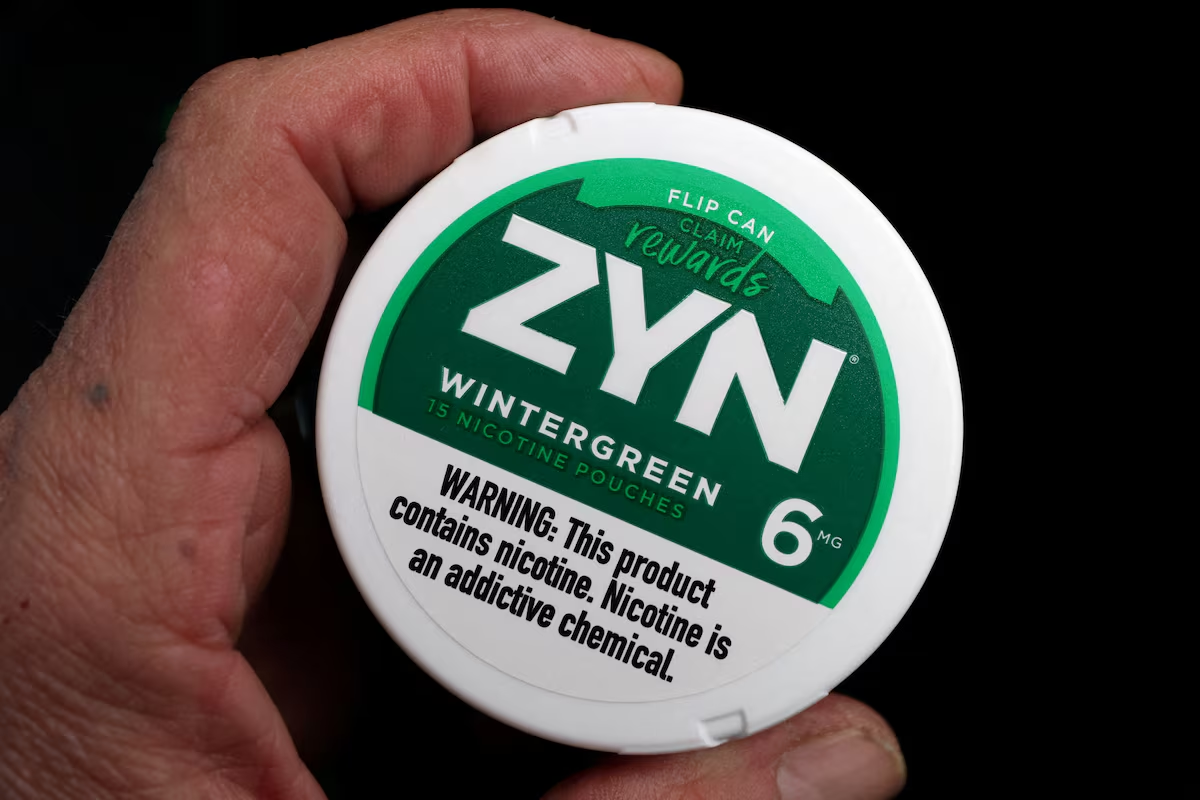
India's Ministry of Health and Family Welfare has directed states to step up enforcement against nicotine pouch sales, citing increased availability through online and offline channels and concern about nicotine exposure among children. Reuters reported that international brands including ZYN and White Fox are being sold in India. A study led by ICMR-NICPR found pouches in seven of 10 surveyed locations and identified 68 brands and 445 flavors online. Separately, India's Drugs Technical Advisory Board recommended in August that no new nicotine formulation be approved.
Regulations
Sep.28 by 2Firsts Perspectives