According to a report from Pakistani media outlet UrduPoint on November 18, experts in the field of nutrition, agriculture, and environment suggest that Pakistan should replace tobacco with staple crops. These experts argue that such a transition would not only address the food insecurity faced by over a third of the population but also have other benefits.
According to national nutrition survey data from Pakistan, 36.9% of the population faced food insecurity in 2018. Based on statistics provided by the Pakistan Fruit and Vegetable Exporters, Importers and Merchants Association (PFVA), the devastating floods and the Russo-Ukrainian conflict resulted in 2.5 million people falling into hunger within the country.
The association states that Pakistan's agriculture currently relies on imported food such as wheat, soybeans, chickpeas, garlic, and ginger. However, due to a widespread shortage of hard currency, importers are struggling to obtain letters of credit.
The Director of the Family Grain Bureau, Waheed Ahmad, is urging policymakers to utilize this year's World No Tobacco Day theme of "Grow food, not tobacco.
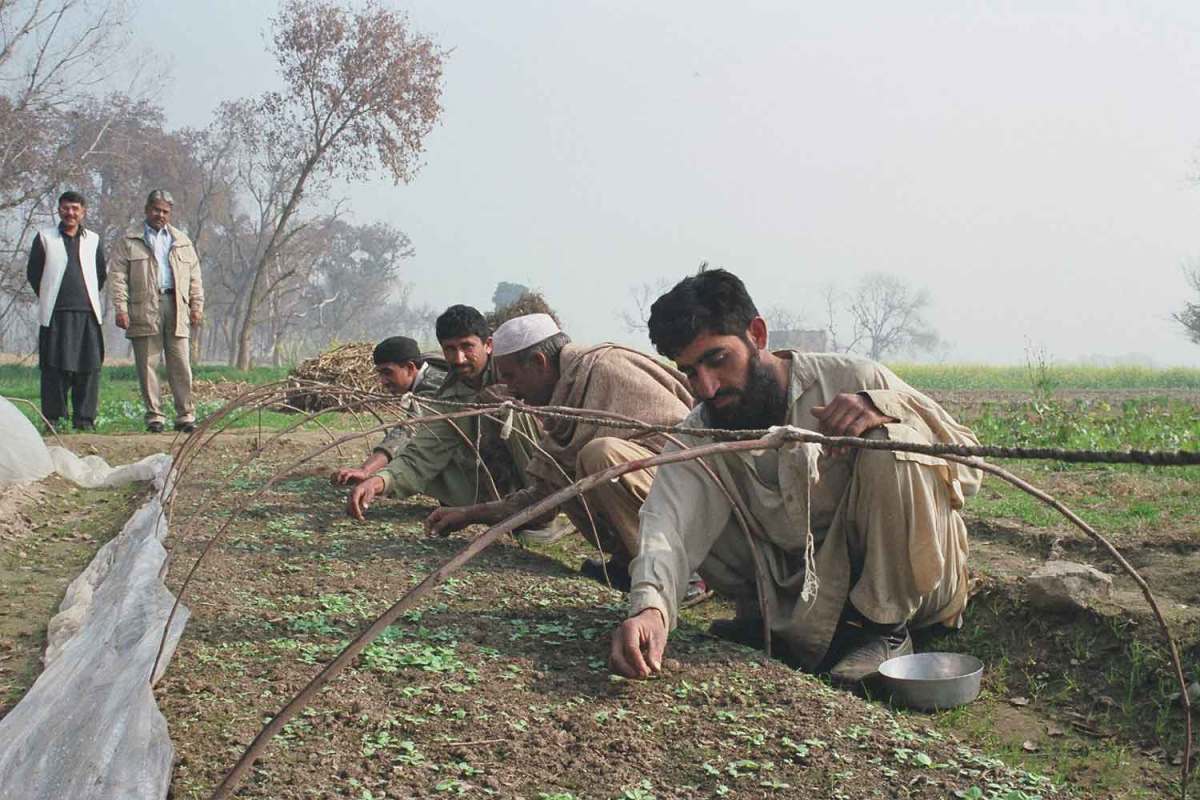
According to reports, all four provinces of Kabul-Pul-i-Pokhta province cultivate tobacco, which is a crucial component of the local economy. Farmers in the region cultivate approximately 30,000 hectares of tobacco.
Taimur Khan, Secretary of the Prominent Agriculture Association in Khyber-Pakhtunkhwa Province, suggests that farmers could gain substantial profits by cultivating the new variety of garlic, NARC G1, on half of this area.
Concerns have been raised regarding the economic contribution of tobacco cultivation. It is believed that tobacco cultivation generates an annual income of 120 billion Pakistani rupees (approximately $416.24 million).
He stated that the cost required to address the health impacts of tobacco consumption is three times higher than tobacco taxes.
Aftab Alam Khan, CEO of the International Organization for a Sustainable Future, stated that by transitioning tobacco cultivation to food production, we can create a ripple effect that promotes food security, enhances public health, contributes to the overall well-being of our communities, and benefits the environment.
According to the data provided by the National Health Service department in 2018, Pakistan currently has nearly 23.9 million adults who use tobacco in any form.
Industry critics argue that the notion of "growing crops, not tobacco" creates a misguided dichotomy, as they believe that tobacco and crop production are not mutually exclusive.
We welcome news tips, article submissions, interview requests, or comments on this piece.
Please contact us at info@2firsts.com, or reach out to Alan Zhao, CEO of 2Firsts, on LinkedIn
Notice
1. This article is intended solely for professional research purposes related to industry, technology, and policy. Any references to brands or products are made purely for objective description and do not constitute any form of endorsement, recommendation, or promotion by 2Firsts.
2. The use of nicotine-containing products — including, but not limited to, cigarettes, e-cigarettes, nicotine pouchand heated tobacco products — carries significant health risks. Users are responsible for complying with all applicable laws and regulations in their respective jurisdictions.
3. This article is not intended to serve as the basis for any investment decisions or financial advice. 2Firsts assumes no direct or indirect liability for any inaccuracies or errors in the content.
4. Access to this article is strictly prohibited for individuals below the legal age in their jurisdiction.
Copyright
This article is either an original work created by 2Firsts or a reproduction from third-party sources with proper attribution. All copyrights and usage rights belong to 2Firsts or the original content provider. Unauthorized reproduction, distribution, or any other form of unauthorized use by any individual or organization is strictly prohibited. Violators will be held legally accountable.
For copyright-related inquiries, please contact: info@2firsts.com
AI Assistance Disclaimer
This article may have been enhanced using AI tools to improve translation and editorial efficiency. However, due to technical limitations, inaccuracies may occur. Readers are encouraged to refer to the cited sources for the most accurate information.
We welcome any corrections or feedback. Please contact us at: info@2firsts.com