Key Points
- Scotland plans to remove vape shop rates relief.
- The change is planned for April 1, 2027.
- The government cited public health alignment.
- Convenience store impact remains unclear.
2Firsts
June 25, 2026 — According to STV News, Scottish Grocer and Scottish Local Retailer, the Scottish Government plans to remove business rates relief from vape shops from April 1, 2027. If implemented, the policy would exclude specialist vape shops from some non-domestic rates relief schemes and add further operating-cost pressure to offline vape retailers.
Vape Shops to Lose Relief
Deputy First Minister Jenny Gilruth announced that the government plans to make vape businesses exempt from rates relief from April 1, 2027. She said ministers had heard concerns from businesses and trade bodies about apparent anomalies in the 2026 non-domestic property revaluation and would take urgent action.
Gilruth said the measures include ensuring that vape shops contribute to the high street, recognizing the sector’s growth in recent years and ensuring that rates relief aligns with the government’s public health commitments.
Business rates in Scotland, also known as non-domestic rates, are set by the Scottish Government and collected by councils to help fund public services. The amount is usually calculated based on a property’s rental value and multiplied by a nationally set tax rate.
Under the current system, reliefs such as Fresh Start and the Small Business Bonus Scheme can allow some businesses to receive up to 100% tax relief. Payday lending businesses, car parks and betting shops are already unable to apply for relief. If vape shops are added to the exclusion list, they would become another high-street business category unable to access such relief.
Convenience Store Impact Unclear
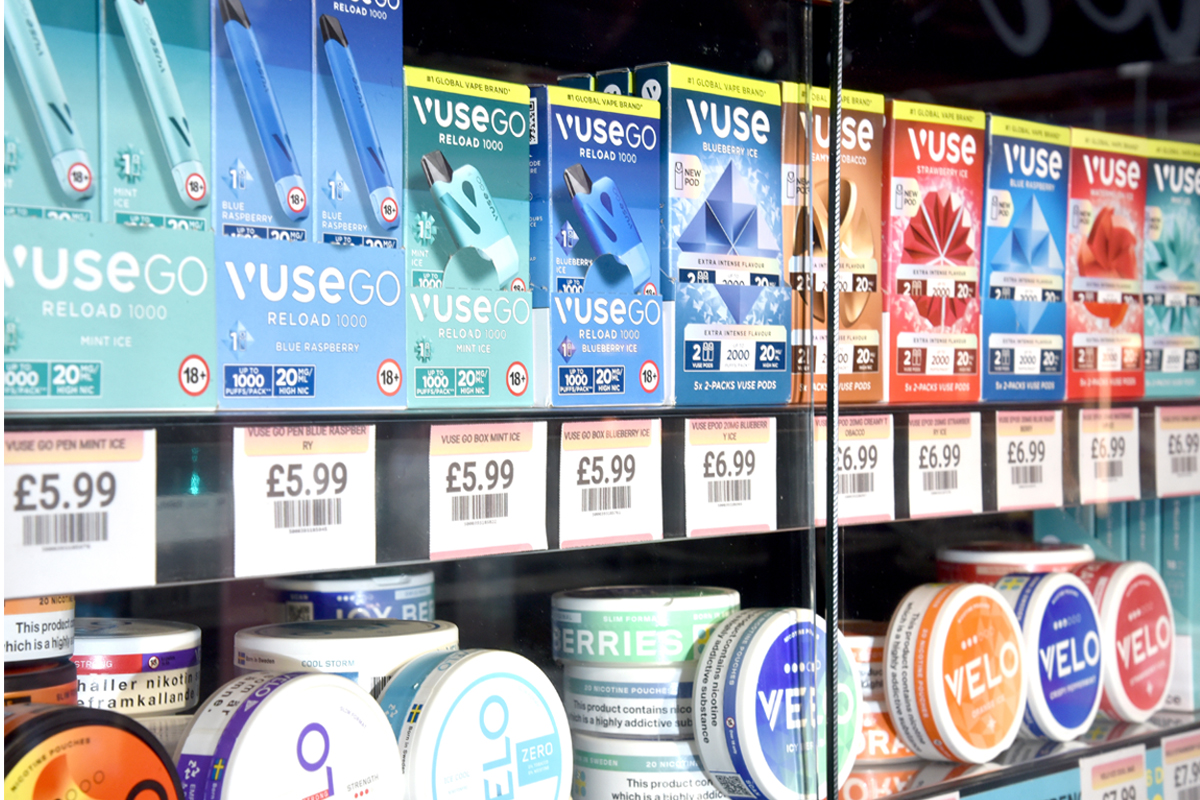
Scottish Grocer reported that the Scottish Government has not confirmed how the policy will affect convenience stores that stock vaping products, or whether such stores could lose rates discounts because they sell vapes.
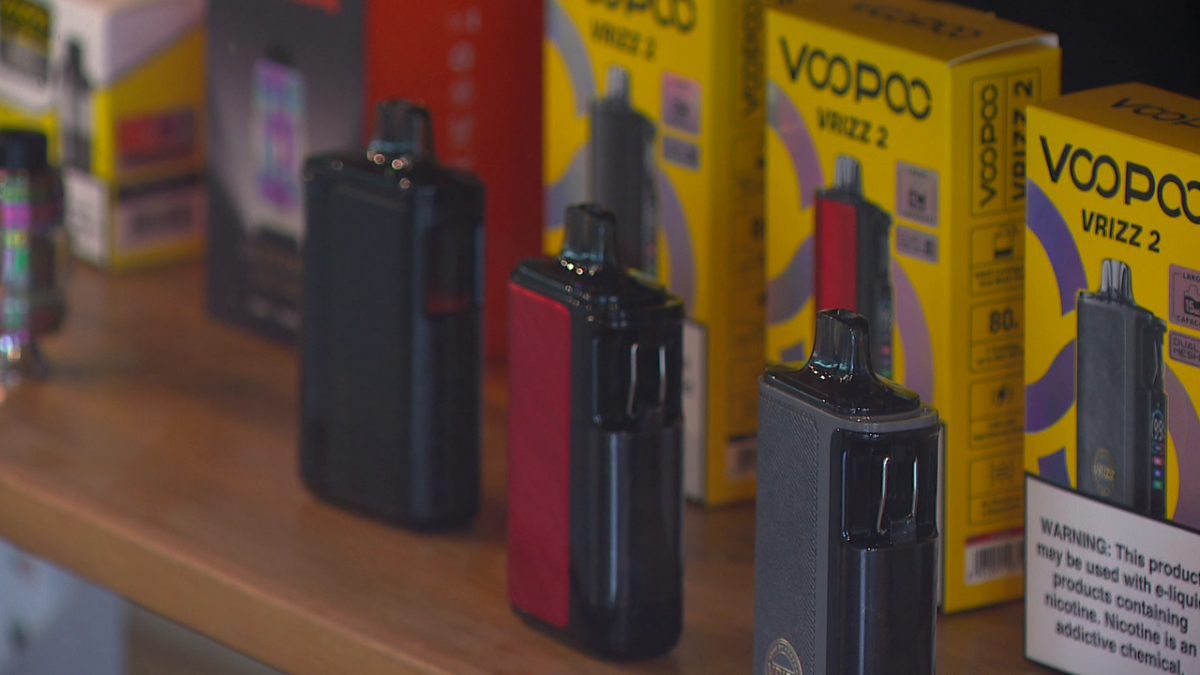
That point matters for Scotland’s retail sector. Vaping products are sold not only through specialist vape shops, but also through convenience stores, independent retailers and small community shops. If the policy applies only to specialist vape shops, the impact will be concentrated on dedicated retailers. If it extends to mixed retailers that sell vaping products, the affected base could become much larger.
From a business perspective, the key question is how a “vape shop” will be defined. Regulators may need to clarify whether eligibility will be judged by business registration, primary trade, sales share, store display, or simply whether a shop sells vaping products.
For convenience stores and mixed retailers, uncertainty could affect merchandising, inventory and long-term category planning. If selling vaping products creates a risk of losing rates relief, some retailers may reassess the category’s margin contribution and compliance cost.
Tax Burden as a New Regulatory Pressure
The proposal is also linked to wider reform of Scotland’s non-domestic rates system. The Scottish Government said it will appoint an independent panel to review reported inconsistencies in the 2026 non-domestic property revaluation. The panel will identify possible anomalies and report its findings to Parliament.
Gilruth said the government will also examine broader improvements and reforms to the non-domestic rates system, seek independent advice and work closely with business to improve clarity, confidence, incentive and transparency.
For the vaping industry, the proposal shows that regulatory pressure is moving from the product level to the retail and tax level. The UK and Scottish vape markets have already faced changes including the single-use vape ban, product sales restrictions, advertising controls and youth-protection requirements. If specialist vape shops also lose rates relief, the profitability of physical stores will face additional pressure.
The measure also shows that the Scottish Government is bringing public health objectives into business rates relief policy. Vape retailers have already been affected by product safety rules, age-verification requirements, illicit-product enforcement and environmental policy. In future, store-level taxation, high-street contribution and sector growth may also become policy factors.
Three issues should be watched next: whether the Scottish Government clarifies the scope of “vape shops”; whether convenience stores and mixed retailers are included in the exclusion; and whether trade bodies challenge the removal of relief, the revaluation process or the broader cost pressure on retailers.
Follow 2Firsts for the latest updates on global tobacco harm reduction, nicotine products and regulatory developments.
Cover image: Scottish Grocer