Senate Democrat Wyden Probes Trump Administration Vape Policy Shift, Seeks Records From HHS and Reynolds American

Innovation
Aug.07
Senate Democrat Wyden Probes Trump Administration Vape Policy Shift, Seeks Records From HHS and Reynolds American
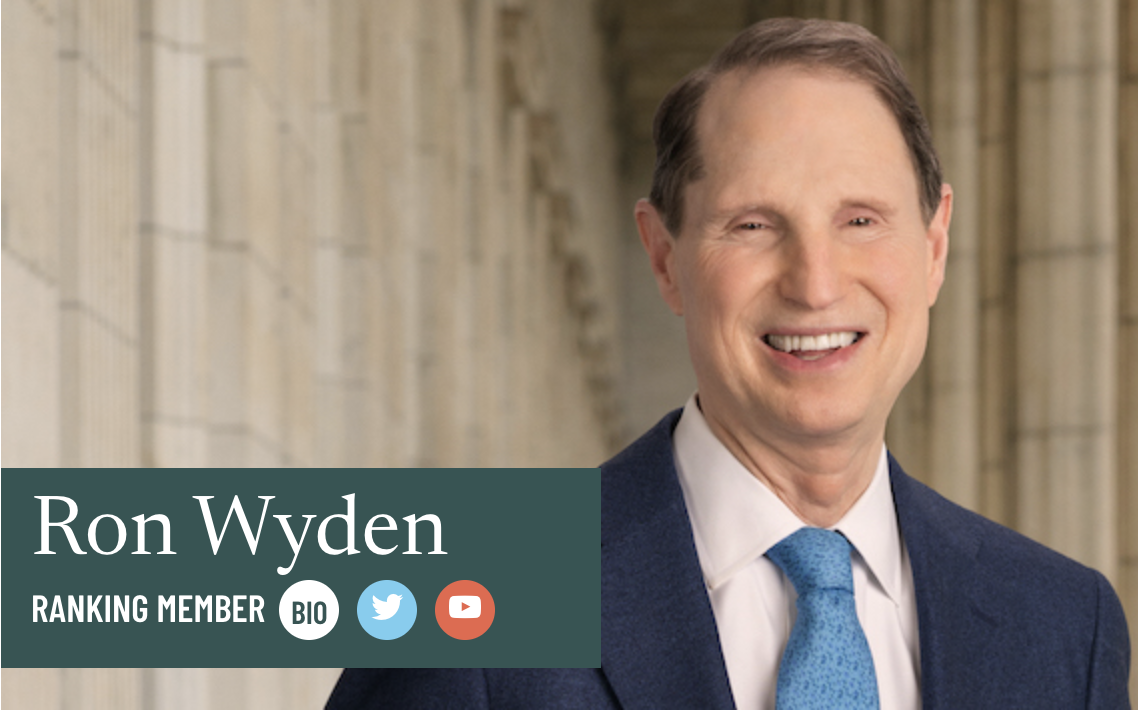
U.S. Senator Ron Wyden, the Democratic ranking member of the Senate Finance Committee, has launched an investigation into flavored vape policy changes and requested records from the Department of Health and Human Services (HHS), Reynolds American and Botanic Tonics. The investigation focuses on a timeline involving Reynolds American’s $5 million donation to MAGA Inc. in April 2026 and subsequent vape policy developments. Wyden said the review aims to examine potential links between political donations, corporate communications and government decisions. The investigation does not represent a finding of wrongdoing.

Key Points

  •  Senator Ron Wyden launched an investigation into flavored vape policy changes.
  •  The inquiry targets HHS Secretary Robert F. Kennedy Jr., Reynolds American and Botanic Tonics.
  •  Wyden’s investigation highlights Reynolds American’s $5 million donation to MAGA Inc.
  •  The committee requested government and corporate communications records.
  •  The inquiry examines potential relationships and does not establish legal violations.

2Firsts

August 7, 2026

According to information released by the U.S. Senate Finance Committee, Democratic Ranking Member Senator Ron Wyden sent investigative letters on Aug. 3, 2026, to Health and Human Services Secretary Robert F. Kennedy Jr., Reynolds American and Botanic Tonics, requesting documents and communications related to tobacco, vape regulation and related policy changes.

The investigation focuses on changes involving flavored vape regulation and communications between companies, government officials and other stakeholders.

Wyden’s office said the inquiry seeks to examine potential links among political donations, corporate communications and government policy decisions.

The investigation has not resulted in any finding of wrongdoing.

Wyden Requests Government and Corporate Communications

According to Senate Finance Committee documents, Wyden sent letters to three parties:

Recipient

Focus of Inquiry

HHS Secretary Robert F. Kennedy Jr.

Government communications related to vape policy changes

Reynolds American

Corporate communications with officials and lobbying contacts

Botanic Tonics

Documents related to regulatory issues and business interests

The letters requested responses and materials by:August 31, 2026.

Wyden said the inquiry seeks to determine whether undisclosed interests influenced policy discussions.

Reynolds’ $5 Million Donation Becomes Investigation Focus

Wyden’s investigation highlights a timeline involving Reynolds American’s political donation to MAGA Inc.

The timeline cited in the committee materials includes:

Date

Event

April 30, 2026

Reynolds American donated $5 million to MAGA Inc.

May 2, 2026

Reynolds executive Jeff Raborn met with Donald Trump

May 8, 2026

Trump administration issued a policy directive related to vape enforcement

May 12, 2026

Marty Makary resigned as FDA commissioner

Wyden’s letters request additional records to examine whether communications or interests connected these events.

The timeline comes from Wyden’s investigative materials and does not establish that the donation caused any policy change.

Flavored Vape Policy Becomes Central Dispute

The investigation focuses on a broader debate over U.S. vape regulation:

whether federal authorities changed enforcement approaches toward certain flavored vape products.

Wyden’s materials state that the Trump administration’s policy changes eased restrictions affecting some vape products.

The issue involves:

  •  FDA regulatory authority;
  •  Premarket Tobacco Product Application (PMTA) requirements;
  •  market access for flavored vape products.

Under the U.S. regulatory system, vape products generally require FDA authorization before they can legally enter the market.

Stakeholders remain divided:

  •  Public health advocates argue unauthorized products should not be sold;
  •  Industry participants have called for clearer regulatory pathways.

Investigation Could Shape Future Vape Policy Debate

The inquiry links political donations, corporate communications and vape regulation discussions, highlighting ongoing debates over U.S. nicotine policy.

For the vape industry, key issues include:

  • future FDA enforcement priorities;
  •  PMTA review processes;
  •  state and federal regulatory relationships;
  •  transparency in government-industry communications.

Wyden’s investigation remains at the document-collection stage, and any future policy or legal consequences will depend on findings and responses from the involved parties.

Follow 2Firsts for the latest updates on global tobacco and nicotine regulation, industry developments and market trends.

Cover Image source: U.S. Senate Finance Committee

NAS 2026 | Former FDA Tobacco Chief Mitch Zeller Calls for Shift From “End Game” to “End State”
At the 2026 New Approaches Summit in New York, former FDA Center for Tobacco Products Director Mitch Zeller called for the tobacco harm reduction debate to shift from the traditional “end game” toward defining a desired “end state.” He also highlighted unresolved concerns around dual use, argued that biomarkers of exposure may be more meaningful than cigarettes-per-day in assessing risk reduction, and said nicotine misperceptions remain a major barrier to public health progress.
Sep.25
NATO Executive Director David Spross Sees U.S. Vape Regulation Improving, Calls for More PMTA Authorizations and Warns of 2027 State Tax Pressure
The National Association of Tobacco Outlets is calling for more FDA marketing authorizations, greater transparency in the PMTA process and continued enforcement against unauthorized e-cigarettes, even as its executive director, David Spross, points to recent regulatory developments as signs of progress. At the state level, excise taxes, flavor restrictions and vapor product directories remain major issues for tobacco retailers. By August 2026, 17 states had enacted laws establishing state-managed e-cigarette directories or similar systems.
Innovation
Sep.29 by 2Firsts Perspectives
Gallup Tracks Nicotine Pouch Use for the First Time: 11% of U.S. Adults Smoke, 9% Vape and 4% Use Nicotine Pouches
Gallup’s 2026 Consumption Habits survey tracked nicotine pouch use for the first time. The survey found that 11% of U.S. adults reported smoking cigarettes in the past week, 9% reported vaping, and 4% reported using nicotine pouches. Cigarette smoking remained near Gallup’s long-term low, while adult vaping rates stayed relatively stable in recent years.
Market
Aug.25 by 2Firsts Perspectives
FRE and ALP Push Modern Oral to 48% of Q2 Sales as Turning Point Brands Changes CEO and Lowers Profit-Guidance Ceiling
Turning Point Brands said Executive Chairman David E. Glazek will become CEO on October 1, replacing Graham Purdy, who is stepping down for personal reasons. The company narrowed its 2026 adjusted EBITDA outlook to $70 million-$80 million from $70 million-$90 million while maintaining Modern Oral gross sales guidance of $330 million-$350 million and net sales guidance of $260 million-$270 million. In the second quarter, Modern Oral net sales rose 128% to $68.4 million and accounted for 48% of company-wide net sales. Adjusted EBITDA fell 50% year over year. TPB shares closed about 10% lower on September 21.
Market
Sep.22 by 2Firsts Perspectives