Key Points
- David E. Glazek will become CEO on October 1; Graham Purdy is leaving for personal reasons, with the company saying his departure was not related to any disagreement.
- Full-year adjusted EBITDA guidance was narrowed to $70 million-$80 million from $70 million-$90 million, reducing the top end by $10 million.
- Modern Oral guidance remains unchanged at $330 million-$350 million in gross sales and $260 million-$270 million in net sales.
- Q2 Modern Oral net sales rose 128% to $68.4 million and represented 48% of total company net sales.
- Turning Point generated $119.5 million in adjusted EBITDA in 2025, above even the top end of its latest 2026 outlook.
- TPB shares closed about 10% lower on September 21; Barron's reported an intraday decline of about 13%.
2Firsts
September 22, 2026
U.S. tobacco and nicotine consumer-products company Turning Point Brands said on September 21 that it will change chief executives and cut the top end of its full-year 2026 adjusted EBITDA guidance by $10 million, while maintaining its Modern Oral sales outlook.
Executive Chairman David E. Glazek will become CEO on October 1. Graham Purdy will leave the chief executive role effective September 30 to address personal circumstances. The company said in an SEC filing that his departure was not related to any disagreement with Turning Point Brands or its board.
TPB shares closed about 10% lower on September 21. Barron's reported that the stock fell as much as roughly 13% intraday.
CEO Change Comes With Lower Adjusted EBITDA Ceiling
Turning Point Brands narrowed its 2026 adjusted EBITDA guidance to $70 million-$80 million from the previous range of $70 million-$90 million.
The company said the updated outlook assumes no margin benefit from onshoring manufacturing until 2027 and prolonged higher freight costs.
Turning Point Brands generated $119.5 million in adjusted EBITDA in 2025. Even the $80 million top end of the company's latest 2026 range would be below last year's actual result.
Modern Oral sales guidance was left unchanged. Turning Point continues to expect full-year gross sales of $330 million-$350 million and net sales of $260 million-$270 million for the business.
The outlook has been raised several times during 2026. In March, the company initially projected Modern Oral gross sales of $220 million-$240 million and net sales of $180 million-$190 million. In May, those ranges were increased to $280 million-$300 million and $210 million-$225 million, respectively, before being raised again in August to the current levels.
FRE and ALP Drive Modern Oral to 48% of Q2 Sales
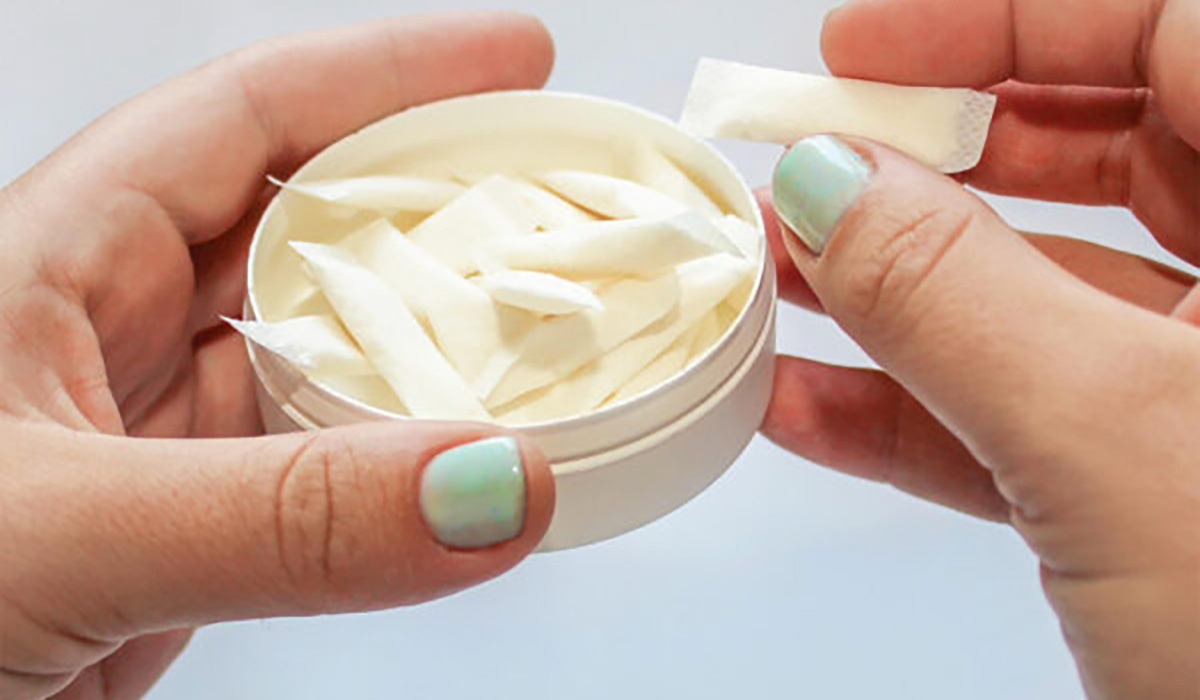
Turning Point Brands' portfolio includes Zig-Zag, Stoker's, FRE and ALP, with FRE and ALP serving as the main growth brands in its Modern Oral business.
Second-quarter Modern Oral gross revenue rose 149% year over year to $87 million, while net sales increased 128% to $68.4 million. The business represented 48% of total company net sales, up from 26% a year earlier.
In the first quarter, Modern Oral net sales rose 133% to $52 million and accounted for 42% of total net sales, compared with 21% in the same period of 2025.
Modern Oral's share of Turning Point Brands' net sales increased from 34% in the fourth quarter of 2025 to 42% in the first quarter of 2026 and 48% in the second quarter.
Modern Oral is reported within the company's Stoker's Products Segment. That segment's second-quarter net sales rose 54.5% year over year to $107.6 million, driven primarily by Modern Oral growth.
Q2 Sales Rise 22.6% While Adjusted EBITDA Falls 50%
Turning Point Brands' total second-quarter net sales increased 22.6% year over year to $142.9 million, while adjusted EBITDA fell 50% to $15.2 million and net income declined 75.2% to $3.6 million.
Selling, general and administrative expenses rose 91.1% to $76.9 million. The company attributed part of the increase to Modern Oral sales and marketing spending and higher outbound freight costs.
Adjusted gross margin in the Stoker's Products Segment fell to 56.9% from 62.5% a year earlier. The company attributed the decline primarily to greater penetration of chain-retail channels.
In the first quarter, the segment's adjusted gross margin had also fallen, to 54.0% from 57.5%, with the company citing the Modern Oral product mix as the main factor.
Zig-Zag remained weaker in the second quarter, with net sales down 3.5% sequentially to $35.4 million.
Turning Point ended June with $268.3 million in cash and $339 million in total liquidity. The company also raised approximately $59.6 million in equity during the quarter.
Glazek Moves From Executive Chairman to CEO
Glazek has served on Turning Point Brands' board since 2012 and became executive chairman in 2023.
Company disclosures show that his background includes roles at Standard General, Lazard and Blackstone, with experience in special situations investing, mergers and acquisitions, restructuring and capital allocation.
Purdy joined Turning Point Brands in 2004, became chief operating officer in 2019 and was appointed CEO in October 2022. Before joining the company, he worked at Philip Morris USA in sales and management roles.
Follow 2Firsts for timely coverage of global tobacco and nicotine corporate strategy, financial performance and market developments.
Cover Image generated by AI