Key Points:
- Policy shift: Singapore reclassifies e-cigarettes as a drug issue, imposing severe penalties such as imprisonment, due to some illegal e-cigarettes containing the controlled substance etomidate.
- Alliance opposition: CAPHRA believes this move is a step backward, ignoring evidence of e-cigarette harm reduction, conflating illegal and legal products, and contradicting evidence-based policymaking.
- Contradiction in reality: Singapore banned e-cigarettes in 2018, yet smoking prevalence has stagnated for over a decade (10%–16%), showing the limited effect of traditional control measures.
- Debate on solutions: The alliance advocates regulatory frameworks to ensure safety rather than outright bans, warning that prohibition may exacerbate black market risks.
According to a Scoop report on August 18, CAPHRA expressed deep concern over Prime Minister Lawrence Wong’s statement. Wong announced that Singapore would regard all vaping behavior as a drug problem, with imprisonment and severe penalties, a move that risks undermining decades of progress in tobacco harm reduction science.
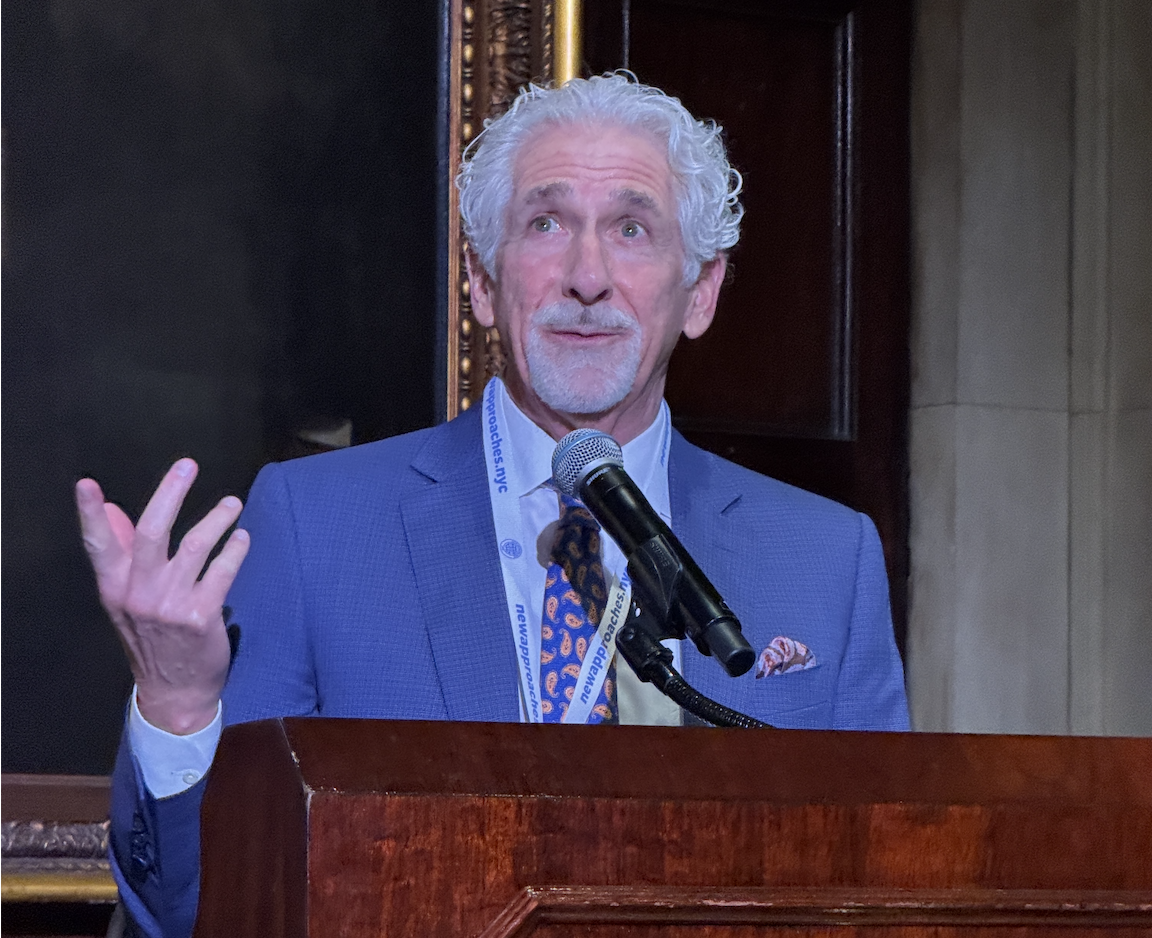
“Singapore’s full criminalization of vaping is a regression, disregarding abundant global evidence showing these products’ life-saving potential,” declared CAPHRA Executive Coordinator Nancy Loucas. “While we understand concerns about products containing etomidate, equating all e-cigarettes with dangerous drugs runs contrary to successful harm reduction strategies that are transforming public health worldwide.”
In his speech, PM Wong announced that Singapore would impose “much harsher penalties” on e-cigarette-related violations, including imprisonment, stating that the government would “treat this as a drug problem” rather than a tobacco control issue. This policy shift comes against the backdrop of narcotic agent etomidate, classified as a Class C controlled drug, being found in some illegal e-cigarettes.
“Singapore is conflating two entirely different issues — contaminated illegal products and legal nicotine devices,” Loucas said. “This is like banning all alcohol because some criminals sold liquor laced with methanol. It is a policy failure that deprives adult smokers of access to proven harm reduction tools while further driving the market underground.”
Scoop reported that despite the full implementation of WHO’s MPOWER measures, Singapore’s smoking rate has remained stagnant at around 10%–16% for more than a decade. The city-state banned e-cigarettes in 2018, but traditional tobacco control approaches have failed to break the stalemate, and the country continues to struggle with this issue.
“The evidence is crystal clear — regulated access to safer nicotine products accelerates declines in smoking rates,” said Loucas. “Countries like the UK, Sweden, Japan, and New Zealand are proving that harm reduction saves lives. Yet Singapore is choosing ideology over evidence.”
“Singapore has long prided itself on evidence-based policymaking, but this statement abandons science in favor of fearmongering,” Loucas noted. “As confirmed by the UK Royal College of Physicians and countless peer-reviewed studies, adult smokers deserve access to products that are at least 95% safer than cigarettes.”
CAPHRA acknowledged legitimate concerns about contaminated e-cigarette products but argued that the solution lies in appropriate regulation, not prohibition. Countries with regulated markets have virtually eliminated dangerous substances while providing quality-controlled alternatives.
“Contamination problems cannot be solved by banning an entire category but by proper regulation, quality standards, and legal supply chains,” Loucas explained. “Singapore’s approach will result in more dangerous products flooding the black market while depriving smokers of life-saving alternatives.”
Previously, 2Firsts had an in-depth dialogue with CAPHRA’s Executive Coordinator Nancy Loucas, exploring why consumers must have a voice in tobacco harm reduction policy and how she helps them speak up bravely. (Related reading: 2Firsts Talks with Nancy Loucas, Asia-Pacific THR Leader: Giving a Voice to the Overlooked Consumer)
We welcome news tips, article submissions, interview requests, or comments on this piece.
Please contact us at info@2firsts.com, or reach out to Alan Zhao, CEO of 2Firsts, on LinkedIn
Notice
1. This article is intended solely for professional research purposes related to industry, technology, and policy. Any references to brands or products are made purely for objective description and do not constitute any form of endorsement, recommendation, or promotion by 2Firsts.
2. The use of nicotine-containing products — including, but not limited to, cigarettes, e-cigarettes, nicotine pouchand heated tobacco products — carries significant health risks. Users are responsible for complying with all applicable laws and regulations in their respective jurisdictions.
3. This article is not intended to serve as the basis for any investment decisions or financial advice. 2Firsts assumes no direct or indirect liability for any inaccuracies or errors in the content.
4. Access to this article is strictly prohibited for individuals below the legal age in their jurisdiction.
Copyright
This article is either an original work created by 2Firsts or a reproduction from third-party sources with proper attribution. All copyrights and usage rights belong to 2Firsts or the original content provider. Unauthorized reproduction, distribution, or any other form of unauthorized use by any individual or organization is strictly prohibited. Violators will be held legally accountable.
For copyright-related inquiries, please contact: info@2firsts.com
AI Assistance Disclaimer
This article may have been enhanced using AI tools to improve translation and editorial efficiency. However, due to technical limitations, inaccuracies may occur. Readers are encouraged to refer to the cited sources for the most accurate information.
We welcome any corrections or feedback. Please contact us at: info@2firsts.com