Smoore, Distributors Move to Toss Cannabis Vape Price-Fixing Suit

Events
Feb.24
Smoore, Distributors Move to Toss Cannabis Vape Price-Fixing Suit
Several vape manufacturers and distributors, including Shenzhen Smoore Technology Co. Ltd., Smoore International Holdings, 3Win Corp., Jupiter Research LLC, Canna Brand Solutions, and Greenlane Holdings Inc., have filed motions seeking dismissal of consumer claims in consolidated antitrust litigation in the U.S. District Court for the Northern District of California.

Key Points


  •  Vape manufacturers and distributors seek dismissal of antitrust MDL claims.


  •  Defendants argue consumers lack standing in the distribution chain.


  •  Plaintiffs allege price-fixing tied to cannabis vape hardware.


  •  Motions challenge sufficiency of conspiracy and pricing allegations.


  •  Case is pending in the Northern District of California.


2Firsts, February 24, 2026


According to Law360, Vape manufacturers and distributors have moved to dismiss consumer antitrust claims in consolidated multidistrict litigation pending in the U.S. District Court for the Northern District of California.


In motions filed Friday, distributor defendants 3Win Corp., Jupiter Research LLC, Canna Brand Solutions and Greenlane Holdings Inc., along with manufacturers Shenzhen Smoore Technology Co. Ltd. and Smoore International Holdings, argued that plaintiffs have failed to establish standing or plausibly allege a price-fixing conspiracy.


The litigation concerns closed cannabis oil vaporization systems and related components. Plaintiffs allege that distributor defendants entered into agreements with manufacturer Smoore to create a price floor and restrict the purchase of competing products, resulting in higher prices for cannabis-filled vape products.


Defendants contend that they manufacture and distribute empty vape hardware, not cannabis-filled products, and that these constitute distinct markets. They argue that consumers are too far removed in the commercial chain to assert antitrust claims, as they do not directly participate in the relevant hardware markets.


The motions further assert that the third amended complaint fails to allege specific pricing practices, including the prices charged by manufacturers to distributors, by distributors to retailers, or the amounts ultimately paid by consumers. Defendants also argue that the complaint does not adequately allege market share or demonstrate that the alleged conduct foreclosed competition across the relevant California market.


Additionally, defendants maintain that although plaintiffs have refiled claims under California’s Cartwright Act following dismissal of federal antitrust claims, the relief sought relates to cannabis products that remain federally illegal.


The consolidated case, In re: CCell Closed Cannabis Oil Vaporization Systems and Components Products Litigation, includes four consumer actions and one retailer action. The court has not yet issued a decision on the dismissal motions.


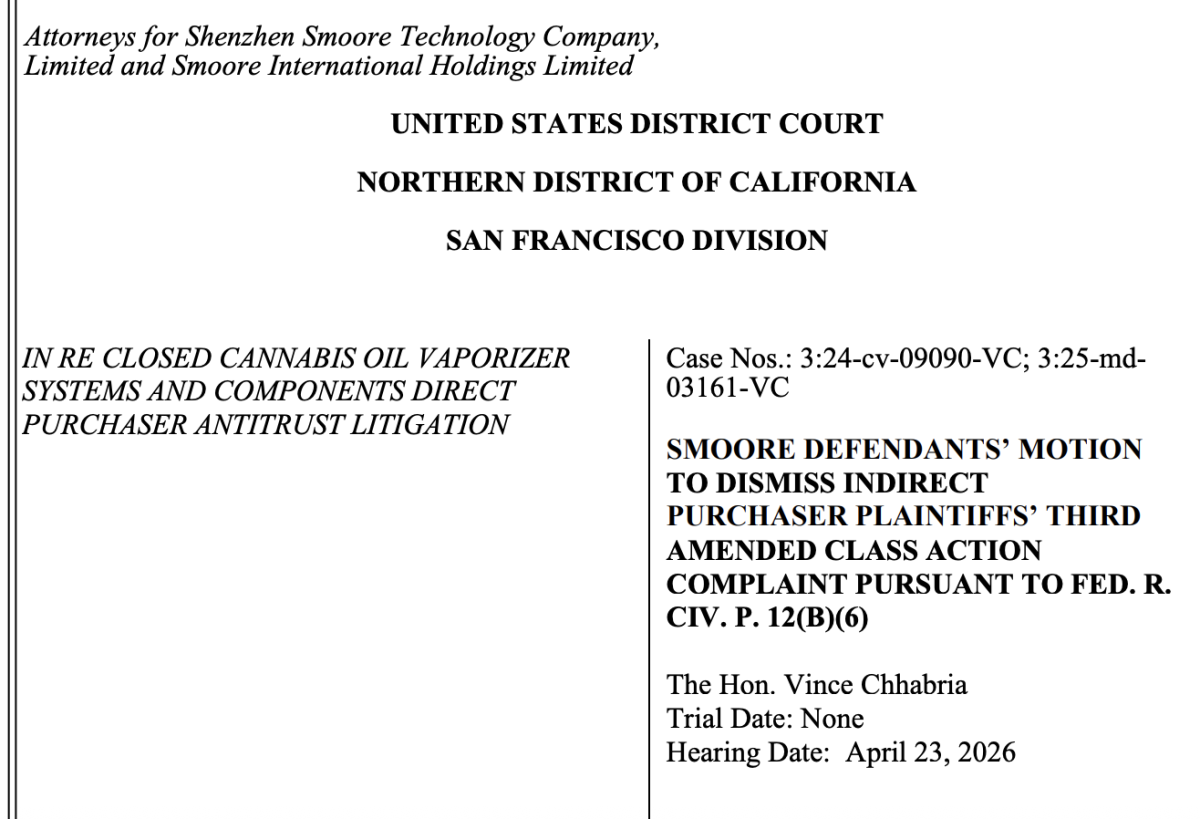
(Cover Photo: Cover page of a U.S. District Court (N.D. California) filing showing Smoore defendants’ motion to dismiss in the closed cannabis oil vaporizer antitrust class action. Source: U.S. District Court for the Northern District of California public filing (via Law360).)


FDA Details Carcinogenicity Tiering and ELCR Framework as Small Manufacturers Press for Predictability
During the “Toxicological Profile” session at FDA’s Feb 10 PMTA roundtable, officials outlined the carcinogenicity tiering system and Excess Lifetime Cancer Risk (ELCR) framework used in ENDS reviews under the APPH standard. Small manufacturers questioned database transparency, exposure assumptions, and the existence of clear compliance benchmarks. FDA reiterated toxicological risk is assessed case by case within a broader population-level determination.
Feb.11
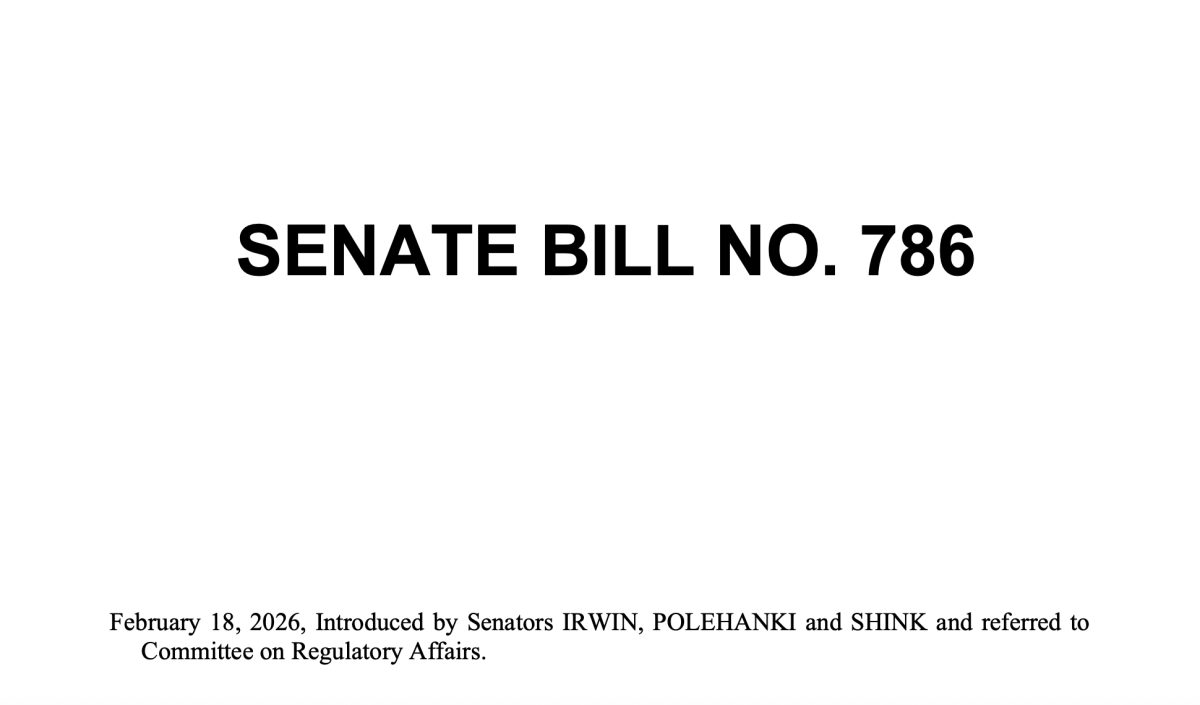
Michigan Senate Bill 786 Seeks to Ban Sale of Vapes With Metal Heating Elements
Michigan lawmakers introduced Senate Bill 786 on February 18, 2026, proposing to prohibit the sale or transfer of vapor products that contain heating elements unless those elements are made of or encased in glass or ceramic materials
Regulations
Feb.21
Small ENDS Manufacturers Press FDA on Abuse Liability Standards as Agency Defines Pharmacological Review Framework
At the third session of its PMTA roundtable, the FDA outlined its framework for assessing abuse liability in ENDS products, emphasizing the role of nicotine pharmacokinetics and product-specific data in APPH determinations. Small manufacturers questioned the high cost of clinical PK studies and the absence of defined numeric thresholds, while raising bridging strategies and PBPK modeling as potential alternatives.
Feb.11
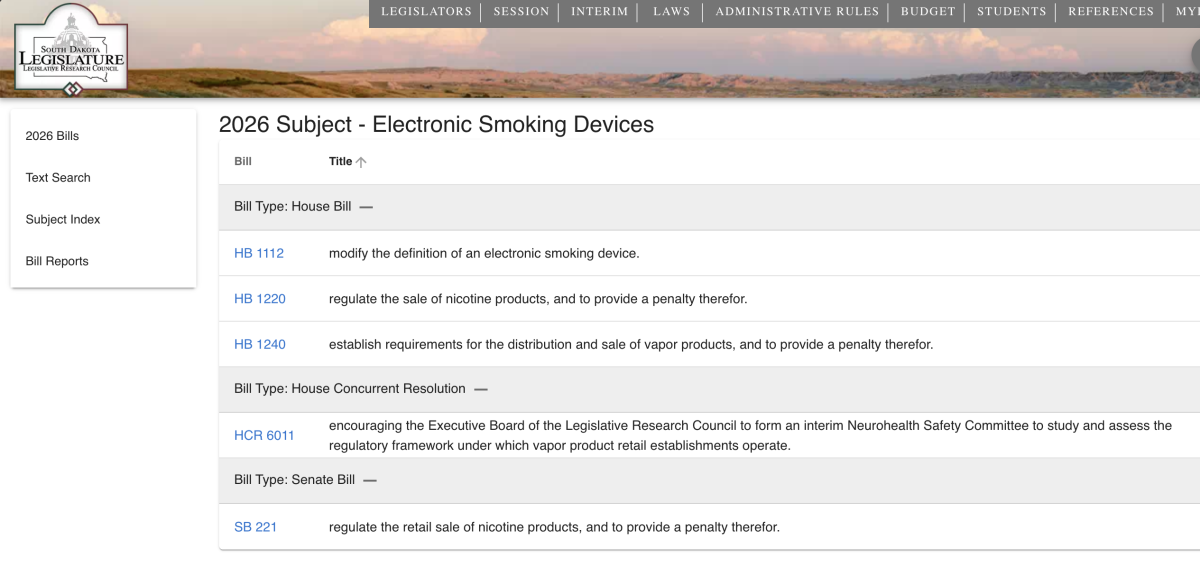
South Dakota Senate Committee Advances Bill Tightening Nicotine Retail Rules
South Dakota Senate Bill 221 (SB 221), which seeks to regulate the retail sale of nicotine products, has passed the Senate Health and Human Services Committee with a unanimous 7–0 recommendation. The bill was significantly amended, expanding from three to nine pages and shifting its focus from vapor products alone to all nicotine products.
Regulations
Feb.22
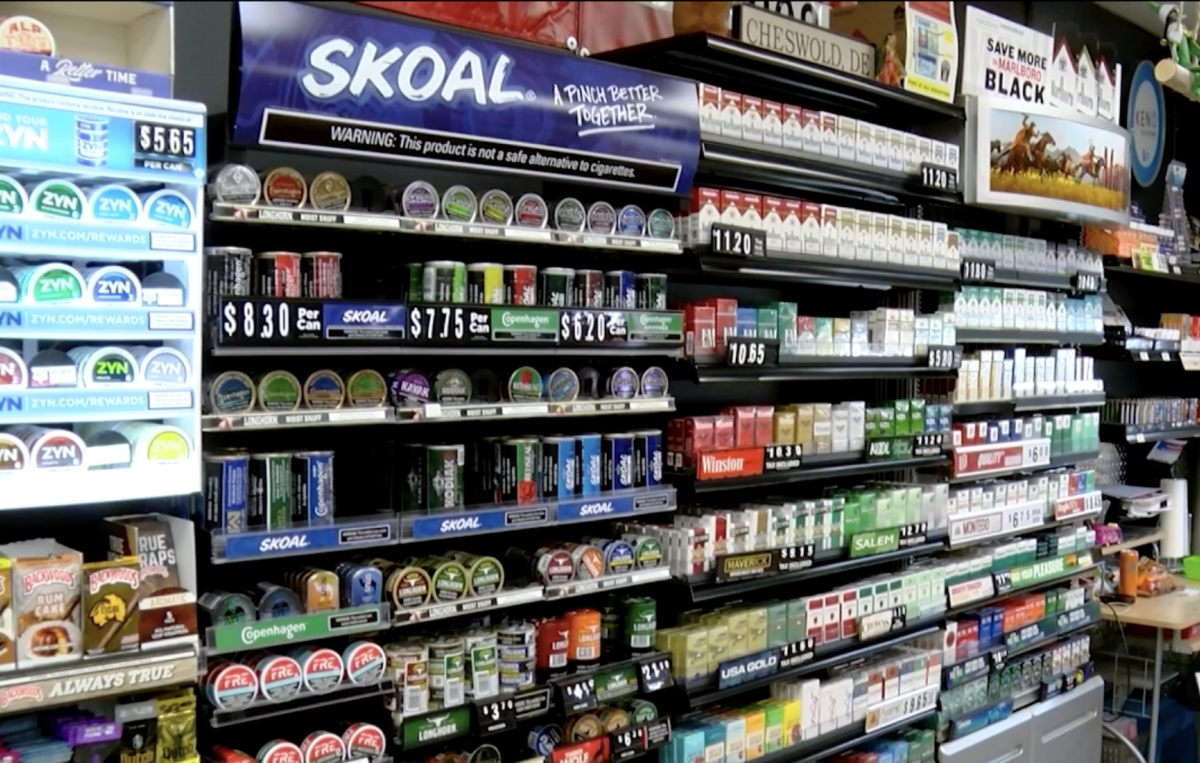
New Nicotine Products Added to Tax List in Delaware Budget Proposal
Delaware Governor Matt Meyer’s proposed FY2027 budget would significantly raise cigarette and nicotine product taxes to help close a $500 million budget gap and generate new revenue. The cigarette tax would rise from $2.10 to $3.60 per pack, with increases on moist snuff, e-liquids and other tobacco products. Supporters say the move is justified, while small businesses warn of potential sales losses.
Feb.17
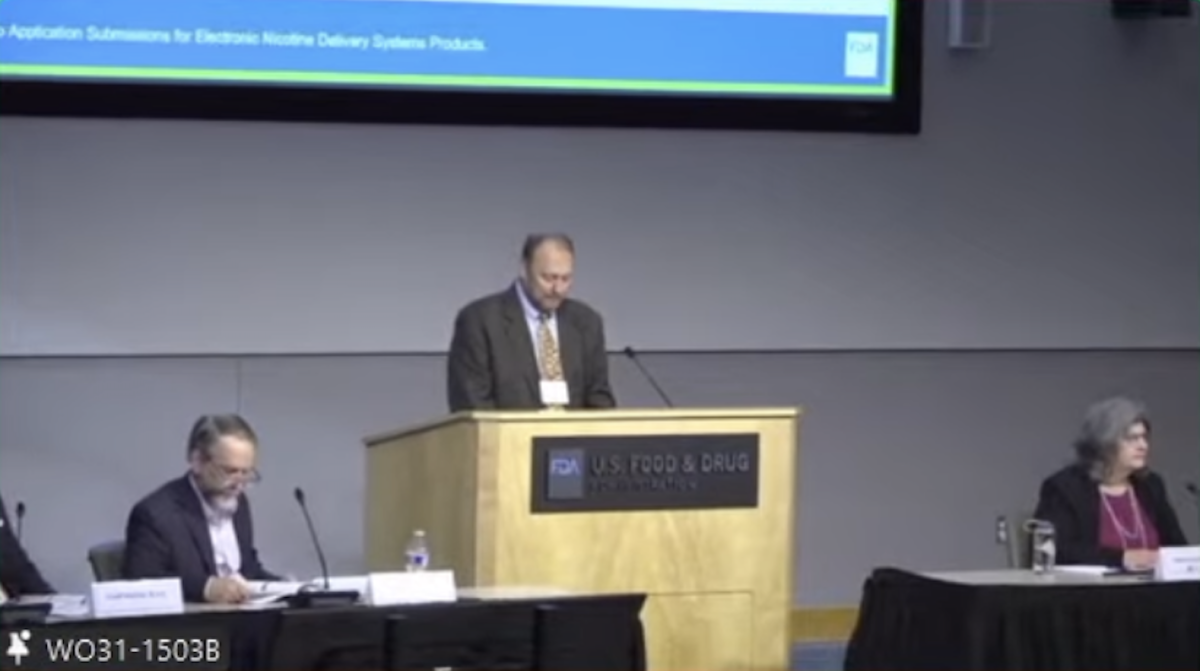
PMTA Roundtable Opens with Industry Questioning Product Characterization Standards, FDA Defends Regulatory Boundaries
At the opening of FDA’s PMTA roundtable, small ENDS manufacturers warned that unclear product characterization standards are limiting their ability to invest and raise capital. FDA officials acknowledged industry concerns but said regulatory flexibility is constrained by statutory and procedural boundaries.
Feb.11