According to a report by Mamamia, many nicotine pouch products are being promoted to teenagers on social media platforms such as TikTok and Instagram. Given the rapid increase in teenage e-cigarette use in recent years and the implementation of regulations that make it difficult for teenagers to access e-cigarette products, it is not surprising that the tobacco industry is introducing more products to maintain its future revenue stream.
Several multinational tobacco companies, including Philip Morris International and British American Tobacco, are producing nicotine pouches. British American Tobacco's nicotine pouch brand Velo is also a major sponsor of the McLaren Formula One racing team. But are these nicotine pouches considered legal in Australia?
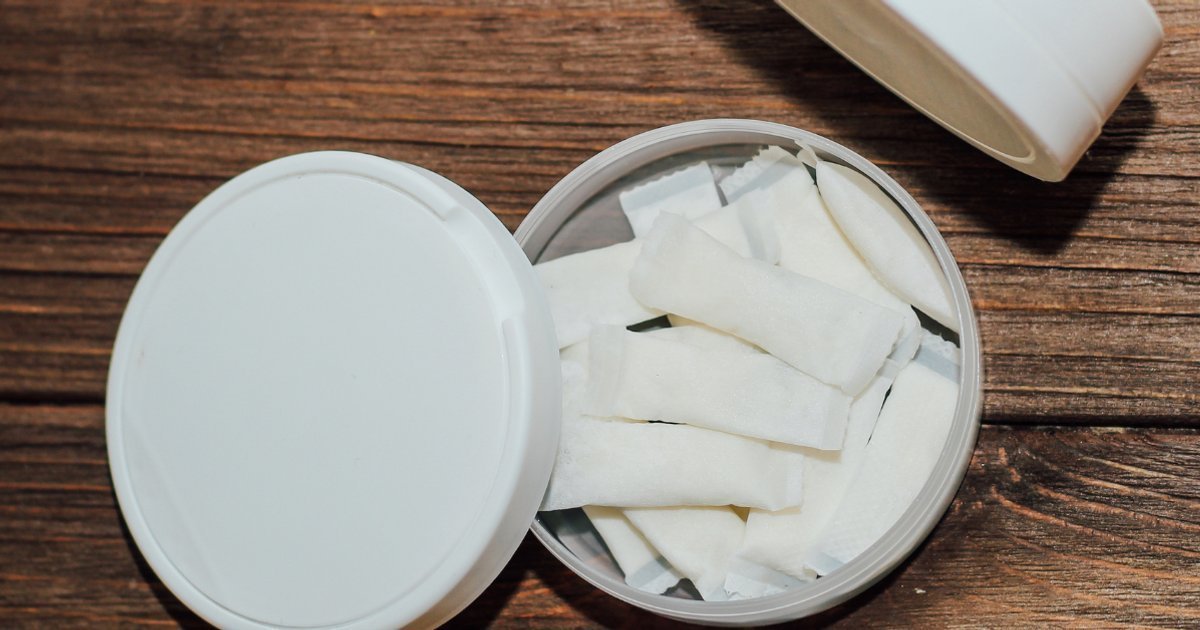
Nicotine pouches are similar to another product called snus, but they contain different ingredients. These products are sold in many countries around the world, and sales have been increasing rapidly among young people. These small pouches, like tea bags, are placed between the lip and gum. They are typically contained in small, colorful cans, with each can containing 15 to 20 pouches. Although they do not contain tobacco, they do contain nicotine extracted from tobacco or synthetically created. They come in a variety of flavors and strengths.
Nicotine pouches, in addition to nicotine, often contain plant fibers (used as a tobacco substitute as filler and to maintain the shape of the pouch), sweeteners, and various flavors. Similar to e-cigarette products, there are a wide variety of options available, including various fruit flavors, candy flavors, spice flavors, and beverage flavors. The appealing flavors and the possibility of discreet use may make nicotine pouches especially popular among young people.
Users inhale the nicotine from the pouch in their mouth and replace it with a new one once all the nicotine has been absorbed. Nicotine pouches without tobacco are a relatively new product, but similar products containing tobacco, such as snus, have been popular in Scandinavian countries, especially Sweden, for decades. However, snus and nicotine pouches are two different products. Due to the tobacco content in snus and the absence of it in nicotine pouches, the regulations governing these two products in Australia are completely different.
In order to clarify legislative content, tobacco-containing small pouches like snus have been banned from sale in Australia since 1991 as part of the prohibition on all forms of smokeless tobacco consumption. This also means that in Australia, other smokeless tobacco products such as chewing tobacco, nasal snuff, and dissolvable tobacco sticks or strips are also prohibited from being sold. General retailers like tobacco shops and convenience stores are also unable to legally sell smokeless nicotine pouches in Australia.
The reasons for prohibition are more complex, as Australia's Poison Standard dictates that nicotine is a prescription-only medication, with only two exceptions. Nicotine can be used in prepared tobacco and packaging for cigarettes and cigars, or as a therapeutic aid for smoking cessation, such as nicotine patches, gum, mouth spray, and lozenges. If a nicotine-containing product does not meet these two exceptions, it cannot be legally sold by general retailers. Currently, nicotine pouches have not been approved by the Therapeutic Goods Administration as a viable treatment method for smoking cessation, so overall, they are not legally sold in Australia.
However, if users have a prescription from a healthcare professional, nicotine pouches can be legally imported and used for personal use. We only have some rumors about the use of nicotine pouches and no concrete data, as these products are still relatively new in Australia. But we do know that relevant authorities are increasing efforts to seize these products. Clearly, young people using nicotine pouches are unlikely to obtain them through legal means.
Even in this situation, nicotine remains a cause for concern. Some of the potential effects of nicotine exposure include dizziness, headaches, nausea, and stomach pain, especially in those who do not regularly smoke or use e-cigarettes. While we do not yet have long-term data on the health effects of nicotine pouches, we know that nicotine is addictive and harmful to health. For example, it can lead to cardiovascular issues, particularly at higher doses such as irregular heart rhythms. It may also have negative effects on the brain development of adolescents.
Some nicotine pouches on the market are alarmingly high in nicotine content. Some brands offer pouches with over 10mg of nicotine, which is comparable to the nicotine content of a cigarette. A report from the World Health Organization indicates that this level of nicotine content is sufficient to induce and sustain nicotine addiction.
Nicotine pouches are also marketed as a product to use when you cannot use e-cigarettes or smoke, such as on airplanes. Therefore, rather than saying they can help people quit smoking, it is better to view them as an alternative to smoking and using e-cigarettes. Importantly, there is no clear evidence that pouches are an effective aid for quitting smoking or stopping the use of e-cigarettes. In addition, some nicotine pouches, although tobacco-free products, still contain specific tobacco-specific nitrosamines. These compounds can damage DNA and may lead to cancer after long-term exposure.
Overall, due to the relatively short time that nicotine pouches have been on the market, there is still limited specific data on their health harms. However, given their similarity to smokeless tobacco products, the World Health Organization recommends taking a cautious approach towards these products.
We welcome news tips, article submissions, interview requests, or comments on this piece.
Please contact us at info@2firsts.com, or reach out to Alan Zhao, CEO of 2Firsts, on LinkedIn
Notice
1. This article is intended solely for professional research purposes related to industry, technology, and policy. Any references to brands or products are made purely for objective description and do not constitute any form of endorsement, recommendation, or promotion by 2Firsts.
2. The use of nicotine-containing products — including, but not limited to, cigarettes, e-cigarettes, nicotine pouchand heated tobacco products — carries significant health risks. Users are responsible for complying with all applicable laws and regulations in their respective jurisdictions.
3. This article is not intended to serve as the basis for any investment decisions or financial advice. 2Firsts assumes no direct or indirect liability for any inaccuracies or errors in the content.
4. Access to this article is strictly prohibited for individuals below the legal age in their jurisdiction.
Copyright
This article is either an original work created by 2Firsts or a reproduction from third-party sources with proper attribution. All copyrights and usage rights belong to 2Firsts or the original content provider. Unauthorized reproduction, distribution, or any other form of unauthorized use by any individual or organization is strictly prohibited. Violators will be held legally accountable.
For copyright-related inquiries, please contact: info@2firsts.com
AI Assistance Disclaimer
This article may have been enhanced using AI tools to improve translation and editorial efficiency. However, due to technical limitations, inaccuracies may occur. Readers are encouraged to refer to the cited sources for the most accurate information.
We welcome any corrections or feedback. Please contact us at: info@2firsts.com