Illegal E-cig Market in Victoria, Australia Predicted to be AUD 500M

Regulations by 2FIRSTS.ai
Feb.07.2024
Illegal E-cig Market in Victoria, Australia Predicted to be AUD 500M
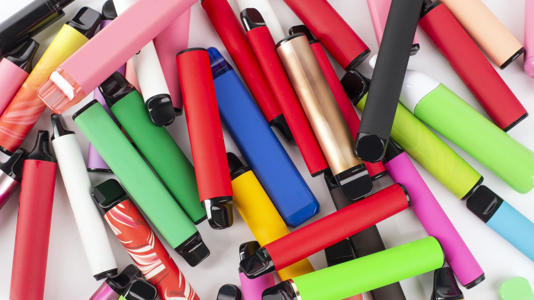
Illegal e-cigarette trade in Victoria, Australia estimated to be worth $500 million, raising concerns of a black market.

The Budget Office of the Victorian Parliament in Australia has recently released a report estimating that the scale of illegal e-cigarette transactions in the state could reach AUD 500 million. The report also states that there are currently 461,000 e-cigarette consumers in the state, with annual expenditures on products ranging from AUD 400 to AUD 1300.


The report has raised concerns among the public, with fears that the illegal trading of e-cigarettes may further fuel the black market and benefit organized crime.


In recent months, retail stores that carry e-cigarette inventory have become the primary target of police raids and inspections.


Earlier this year, the Australian federal government imposed a ban on the importation of disposable smoking devices.


We welcome news tips, article submissions, interview requests, or comments on this piece.

Please contact us at info@2firsts.com, or reach out to Alan Zhao, CEO of 2Firsts, on LinkedIn


Notice

1.  This article is intended solely for professional research purposes related to industry, technology, and policy. Any references to brands or products are made purely for objective description and do not constitute any form of endorsement, recommendation, or promotion by 2Firsts.

2.  The use of nicotine-containing products — including, but not limited to, cigarettes, e-cigarettes, nicotine pouchand heated tobacco products — carries significant health risks. Users are responsible for complying with all applicable laws and regulations in their respective jurisdictions.

3.  This article is not intended to serve as the basis for any investment decisions or financial advice. 2Firsts assumes no direct or indirect liability for any inaccuracies or errors in the content.

4.  Access to this article is strictly prohibited for individuals below the legal age in their jurisdiction.


Copyright


This article is either an original work created by 2Firsts or a reproduction from third-party sources with proper attribution. All copyrights and usage rights belong to 2Firsts or the original content provider. Unauthorized reproduction, distribution, or any other form of unauthorized use by any individual or organization is strictly prohibited. Violators will be held legally accountable.

For copyright-related inquiries, please contact: info@2firsts.com


AI Assistance Disclaimer


This article may have been enhanced using AI tools to improve translation and editorial efficiency. However, due to technical limitations, inaccuracies may occur. Readers are encouraged to refer to the cited sources for the most accurate information.

We welcome any corrections or feedback. Please contact us at: info@2firsts.com

South Korea Moves Against Synthetic Nicotine Regulatory Gap as Three Companies Face Tobacco Business Act Probe
South Korea’s Ministry of Finance and Economy said on May 4 that it requested the Daejeon Metropolitan Police Agency and Gyeonggi Nambu Provincial Police Agency to investigate three sales companies on suspicion of violating the Tobacco Business Act.
May.06 by 2FIRSTS.ai
UK Parliament Briefing Puts Vape Hardware Design and Materials in Regulatory Focus
The UK Parliament’s Parliamentary Office of Science and Technology (POST) has published a scientific briefing reviewing current evidence on the health effects of vape device components, including heating elements, power settings, metals, plastics, batteries and e-liquid ingredients, signalling growing regulatory attention to device design and whole-product systems beyond e-liquids, flavours and packaging.
Special Report
Jun.29
 BAT Bangladesh Cigarette Sales Fall 14%, Q1 Profit Drops 34%
BAT Bangladesh Cigarette Sales Fall 14%, Q1 Profit Drops 34%
British American Tobacco Bangladesh reported a 14% year-on-year decline in cigarette sales volume and a 34% drop in first-quarter profit, highlighting mounting pressure from inflation, taxation, and weakening consumer spending in Bangladesh.
News
May.18
Ireland Vape Bill Passes Dáil, Setting Limits on Flavours, Packaging and Retail Display
Ireland’s Public Health (Tobacco Products and Nicotine Inhaling Products) (Amendment) Bill 2026 has passed final stage in the Dáil and will move to the Seanad, with measures to limit vape flavours to tobacco or unflavoured products and tighten rules on packaging colours, retail advertising, in-store displays and sales of nicotine pouches to minors.
News
Jun.26 by 2Firsts Perspectives
Data|China’s January-May Vape Exports: U.S. Shipments Fall 13.8% as Japan Posts Fastest Growth
According to China Customs export data analyzed by 2Firsts, the United States remained China’s largest destination for vape-related exports during January-May 2026 despite a 13.82% year-on-year decline in export value. Meanwhile, exports to Japan, Russia, Indonesia and the United Arab Emirates recorded strong growth, highlighting continued diversification across China’s export markets.
Special Report
Jun.29
Bringing Tax and Insurance Into Nicotine Regulation: Insights From a Tobacco Harm-Reduction Report
A smoke-free nicotine policy report argues that tobacco harm reduction should move beyond product bans and health warnings into tax policy, insurance pricing and risk-based regulation. While some projections remain open to debate, the report highlights a wider challenge: nicotine products, technologies and consumer behavior have changed sharply over the past decade, and regulatory systems may need new tools to better align tobacco control with harm-reduction goals.
Jun.08