"Smoke-free Generation" Plan in UK

Regulations by 2FIRSTS.ai
Dec.11.2023
"Smoke-free Generation" Plan in UK
The UK government consults local councils on the "Smokefree Generation" plan to impose strict restrictions on e-cigarette products.

According to information from Bexton Advertising, the UK central government is currently seeking opinions from local authorities on a new plan called "Smoke-Free Generation". This new plan proposes strict limitations on e-cigarette products and a ban on selling tobacco products to individuals aged 14 and above.


The Derbyshire County Council has expressed support for this new initiative and has recommended banning the sale of sweet-flavored e-cigarettes, including marshmallow, bubblegum, caramel, ice cream, soda, and fruity flavors. The central government's plan aims to prohibit the sale of tobacco products to individuals born on or after January 1, 2009.


This legislation will effectively prevent children aged 14 or younger from legally purchasing tobacco products - raising the minimum smoking age by one year annually until it applies to the entire population.


Derbyshire County Council is urging the government to ban e-cigarettes with cotton candy, bubble gum, caramel, ice cream, and soda flavors. Furthermore, the government plans to restrict the variety of e-cigarette flavors, introduce standardized plain packaging, and limit the sale of disposable e-cigarettes. The local authorities will have the power to impose fines on those who sell tobacco products and e-cigarettes to underage residents.


According to Derbyshire County Council, approximately 14% of adults in Derbyshire, which accounts for around 90,000 people, smoke as of 2022. This figure is higher than the national average of 12.7%. Additionally, despite a decline, 11.8% of adults in Derbyshire still smoke during pregnancy, surpassing the national average of 9.1%.


Carol Hart, the chief of the health department at Derby County Council, has issued an official response detailing the importance of clear and accurate regulations on e-cigarettes. These regulations will enable enforcement personnel to remove non-compliant products from shelves while ensuring that flavored options are still available for smokers who wish to quit.


This aligns with the approach taken by New Zealand, where regulations stipulate that e-cigarettes must be described by their generic names as specified by law, such as tobacco or berry, and they cannot be referred to as "blueberry pancakes".


This could reduce the appeal of e-cigarettes to young people while still providing options for adult smokers. Imposing restrictions on ingredients or flavors would require product testing before implementation, which would significantly increase both time and costs.


It is recommended to prohibit the use of flavors in products that are not suitable for the aforementioned categories such as tobacco, mint, menthol, and fruit. Flavors like marshmallow, bubblegum, caramel, ice cream, and soda should not be included, and additional research is needed to determine the inclusion of fruit flavors.


Taste is not the sole factor influencing the initiation and continued use of e-cigarettes. Nicotine levels, marketing and advertising, design, peer influence, pricing, availability, and accessibility are also some of the factors.


We welcome news tips, article submissions, interview requests, or comments on this piece.

Please contact us at info@2firsts.com, or reach out to Alan Zhao, CEO of 2Firsts, on LinkedIn


Notice

1.  This article is intended solely for professional research purposes related to industry, technology, and policy. Any references to brands or products are made purely for objective description and do not constitute any form of endorsement, recommendation, or promotion by 2Firsts.

2.  The use of nicotine-containing products — including, but not limited to, cigarettes, e-cigarettes, nicotine pouchand heated tobacco products — carries significant health risks. Users are responsible for complying with all applicable laws and regulations in their respective jurisdictions.

3.  This article is not intended to serve as the basis for any investment decisions or financial advice. 2Firsts assumes no direct or indirect liability for any inaccuracies or errors in the content.

4.  Access to this article is strictly prohibited for individuals below the legal age in their jurisdiction.


Copyright


This article is either an original work created by 2Firsts or a reproduction from third-party sources with proper attribution. All copyrights and usage rights belong to 2Firsts or the original content provider. Unauthorized reproduction, distribution, or any other form of unauthorized use by any individual or organization is strictly prohibited. Violators will be held legally accountable.

For copyright-related inquiries, please contact: info@2firsts.com


AI Assistance Disclaimer


This article may have been enhanced using AI tools to improve translation and editorial efficiency. However, due to technical limitations, inaccuracies may occur. Readers are encouraged to refer to the cited sources for the most accurate information.

We welcome any corrections or feedback. Please contact us at: info@2firsts.com

South Korea Constitutional Court Upholds Volume-Based E-Liquid Tax, With Challenged Rates at KRW 370 and KRW 628 per Milliliter
South Korea's Constitutional Court has upheld fixed taxes on nicotine-containing e-cigarette liquids based on solution volume, ruling that challenged provisions imposing KRW 370 per milliliter in individual consumption tax and KRW 628 per milliliter in tobacco consumption tax do not violate the Constitution. The cases stemmed from historical disputes involving importers that reported nicotine as being extracted from tobacco stems rather than leaves. South Korea has since broadened its tobacco definition to include synthetic nicotine, while current tax laws provide reduced rates for certain products not derived from tobacco.
Sep.18
Ohio Supreme Court Weighs Whether State Consumer Law Can Restrict Flavored Vape Sales
The Ohio Supreme Court is hearing a case involving flavored vape sales and whether state authorities can use consumer protection laws to take action against retailers selling unauthorized vape products. Ohio officials argue that selling unauthorized flavored vapes may constitute consumer deception, while retailers argue that tobacco product regulation falls under federal Food and Drug Administration (FDA) authority and that states cannot impose additional restrictions through consumer laws. The case could affect the scope of state-level vape regulation across the United States.
Aug.06
Reuters Tracks Big Tobacco’s Shift Beyond Cigarettes as Nicotine Pouches Vie for the Next Growth Curve
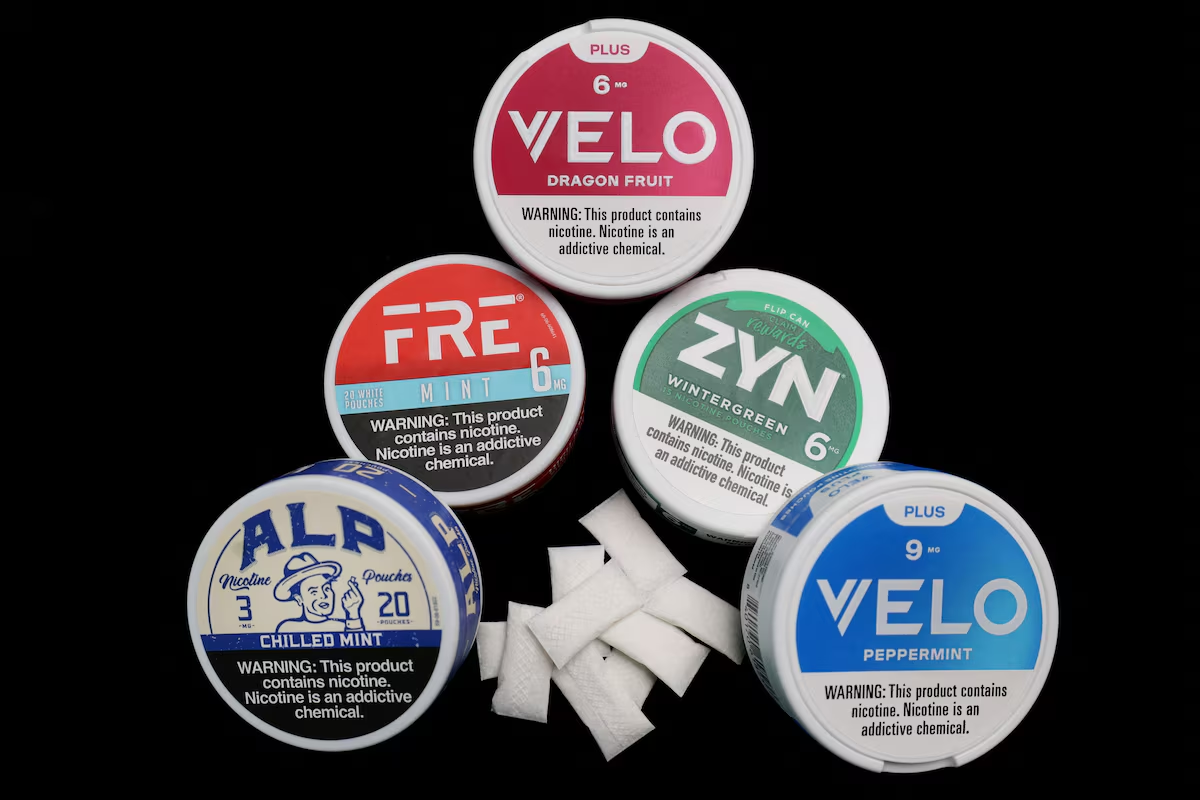
As cigarette markets face long-term pressure, major tobacco companies are increasingly turning to nicotine pouches in search of growth beyond combustible tobacco. Reuters has examined whether nicotine pouches can become the next strategic growth platform for companies including Philip Morris International, British American Tobacco and Japan Tobacco. PMI strengthened its position through the acquisition of Swedish Match and its ZYN brand, while BAT and JTI continue expanding their own nicotine pouch portfolios. The category has gained attention because of its smoke-free, device-free format, but regulation, youth-use concerns and market scale will determine whether it can become a long-term growth engine.
Regulations
Aug.18 by 2Firsts Perspectives
South Korea Vape Strategies Diverge as BAT Reconsiders Exit and PMI Takes VEEV to About 14,000 Stores
BAT Rothmans says it previously considered exiting South Korea's vaping market because of competitive pressure from unregulated products, but is now reassessing conditions following changes to the country's nicotine regulatory framework. Vuse and other BAT vaping products remain available through existing distribution channels. The statement followed a South Korean media report that interpreted BAT's broader withdrawal from selected Vapour markets as a full exit from South Korea. Meanwhile, Philip Morris International launched VEEV inPRIME in the country in June and began expanding distribution to around 14,000 convenience stores and other retail channels in July. The contrasting moves highlight differing investment strategies as South Korea's regulated vaping market evolves.
Aug.14
R.J. Reynolds Vapor Company Launches Flavored Vuse Pro Pods in U.S. Without FDA Marketing Authorization
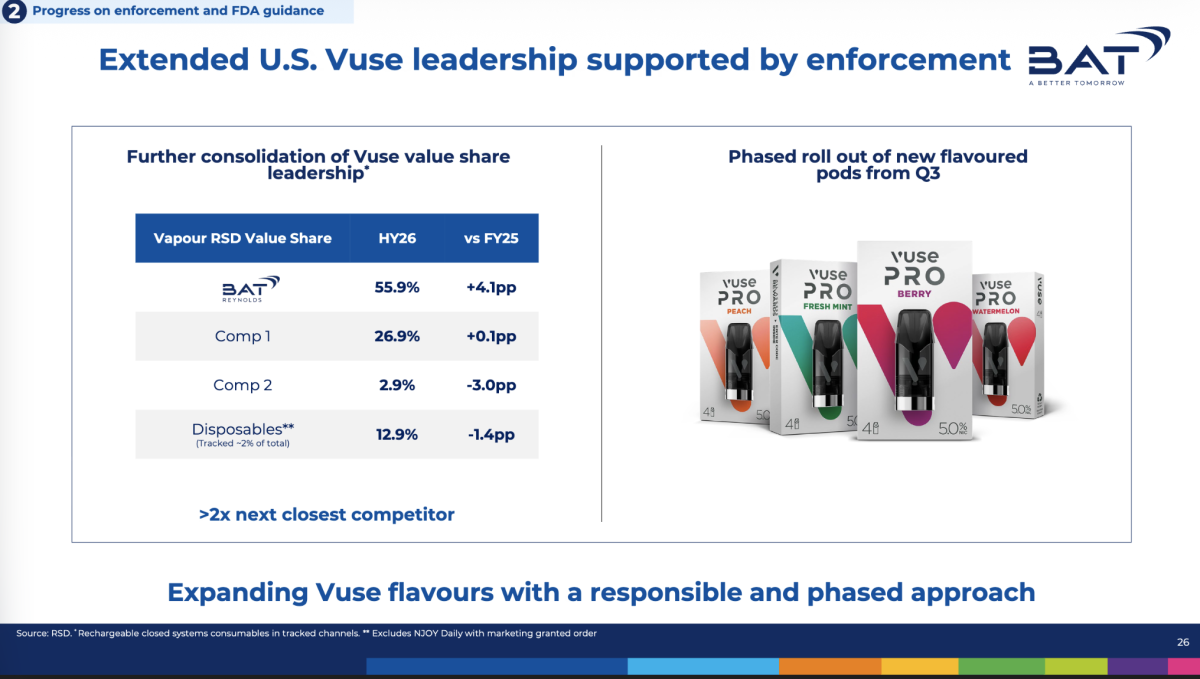
R.J. Reynolds Vapor Company has begun selling four flavored Vuse Pro pods — Peach, Berry, Watermelon and Fresh Mint — in Ohio and selected other U.S. markets. According to the Vuse U.S. FAQ, Vuse Pro contains approximately 5.0% nicotine by weight, and Vuse Pro pre-filled pods are intended for use with Vuse Alto devices. Reynolds told 2Firsts that product labeling lists an e-liquid capacity of 2.0 mL per pod. The Vuse Alto Power Unit received FDA marketing authorization in 2024, while the new Vuse Pro pods themselves have not received marketing granted orders. The rollout follows the FDA’s May 2026 revision of enforcement priorities for certain unauthorized vaping products with qualifying pending applications.
BAT
Sep.10
India Duty-Free Nicotine Pouch Sales Face Regulatory Test as ZYN, FOX Classification Remains Open
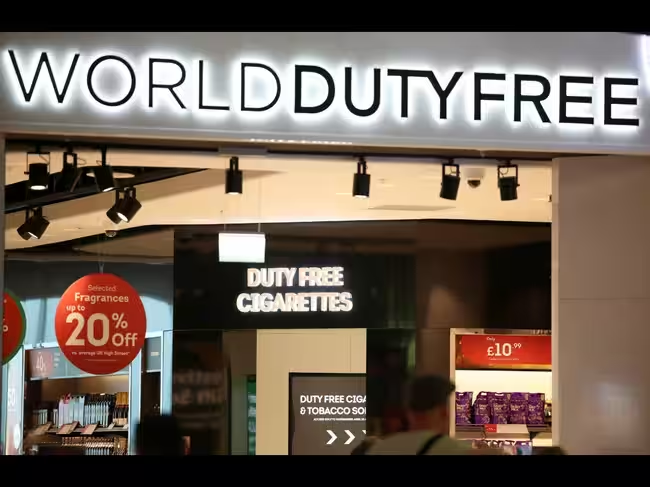
The Bombay High Court has ruled that airport duty-free shops are not exempt from India's domestic regulatory laws merely because they operate beyond the customs barrier, leaving in place a sales halt covering ZYN and FOX nicotine pouches at Mumbai's international airport. The court, however, did not determine that the products necessarily qualify as "drugs" under India's Drugs and Cosmetics Act. The retailers have four weeks to submit product information to the appropriate authorities, including CDSCO, which must complete its review within 30 days of receiving the submissions.
Sep.24