Ukrainian Representatives Consider Restricting Tobacco Sales in Kiosks

Regulations by 2FIRSTS.ai
Apr.08.2024
Ukrainian Representatives Consider Restricting Tobacco Sales in Kiosks
Ukrainian officials may ban or restrict tobacco sales in kiosks due to lack of proper sales documentation.

According to Ukrainian media Apostrophe, representatives of the Ukrainian people may ban or restrict the sale of tobacco products in small kiosks. This action is related to sellers not using cash registers (РРО) for sales transactions.


Ukrainian representative Danil Getmantsev wrote this message on Telegram.


He made a request to the owners of the kiosks that sell tobacco. He said that if the sellers do not start "fully using POS machines" for all sales without exception, "stop stealing from the army", there could be several possible outcomes.


Firstly, there were sudden actual inspections with no warning from tax "friends". These inspections have caused issues for the pavilion owner. The second situation is that the reasons for permit cancellations due to lack of receipts may increase. The bill is being digested in the council and it will be accepted. Another possible development is the ban on selling tobacco in the pavilion. It hasn't happened yet, but if you don't take action, it will definitely happen," confirmed Daniel Getman-Carp.


We welcome news tips, article submissions, interview requests, or comments on this piece.

Please contact us at info@2firsts.com, or reach out to Alan Zhao, CEO of 2Firsts, on LinkedIn


Notice

1.  This article is intended solely for professional research purposes related to industry, technology, and policy. Any references to brands or products are made purely for objective description and do not constitute any form of endorsement, recommendation, or promotion by 2Firsts.

2.  The use of nicotine-containing products — including, but not limited to, cigarettes, e-cigarettes, nicotine pouchand heated tobacco products — carries significant health risks. Users are responsible for complying with all applicable laws and regulations in their respective jurisdictions.

3.  This article is not intended to serve as the basis for any investment decisions or financial advice. 2Firsts assumes no direct or indirect liability for any inaccuracies or errors in the content.

4.  Access to this article is strictly prohibited for individuals below the legal age in their jurisdiction.


Copyright


This article is either an original work created by 2Firsts or a reproduction from third-party sources with proper attribution. All copyrights and usage rights belong to 2Firsts or the original content provider. Unauthorized reproduction, distribution, or any other form of unauthorized use by any individual or organization is strictly prohibited. Violators will be held legally accountable.

For copyright-related inquiries, please contact: info@2firsts.com


AI Assistance Disclaimer


This article may have been enhanced using AI tools to improve translation and editorial efficiency. However, due to technical limitations, inaccuracies may occur. Readers are encouraged to refer to the cited sources for the most accurate information.

We welcome any corrections or feedback. Please contact us at: info@2firsts.com

As JUUL2 Wins FDA Authorization, Harm Reduction Journal Highlights the Role of Real-World Evidence in Nicotine Product Regulation
A commentary published in the international open-access, peer-reviewed Harm Reduction Journal argues that randomized controlled trials remain central to evaluating smoking cessation efficacy but cannot alone capture real-world uptake, complete switching, longer-term use and population impact of non-combustible nicotine products such as e-cigarettes, heated tobacco and nicotine pouches. The authors frame impact as “reach × efficacy” and call for real-world evidence to complement RCTs. Three days after publication, the FDA authorized three JUUL2 products and highlighted complete switching among adult smokers in explaining its decision, providing a timely regulatory backdrop to the debate.
Sep.08
Trump Names Darrell Scott as CDC Tobacco Health Adviser, Citing Tobacco Risks and Harm-Reduction Solutions
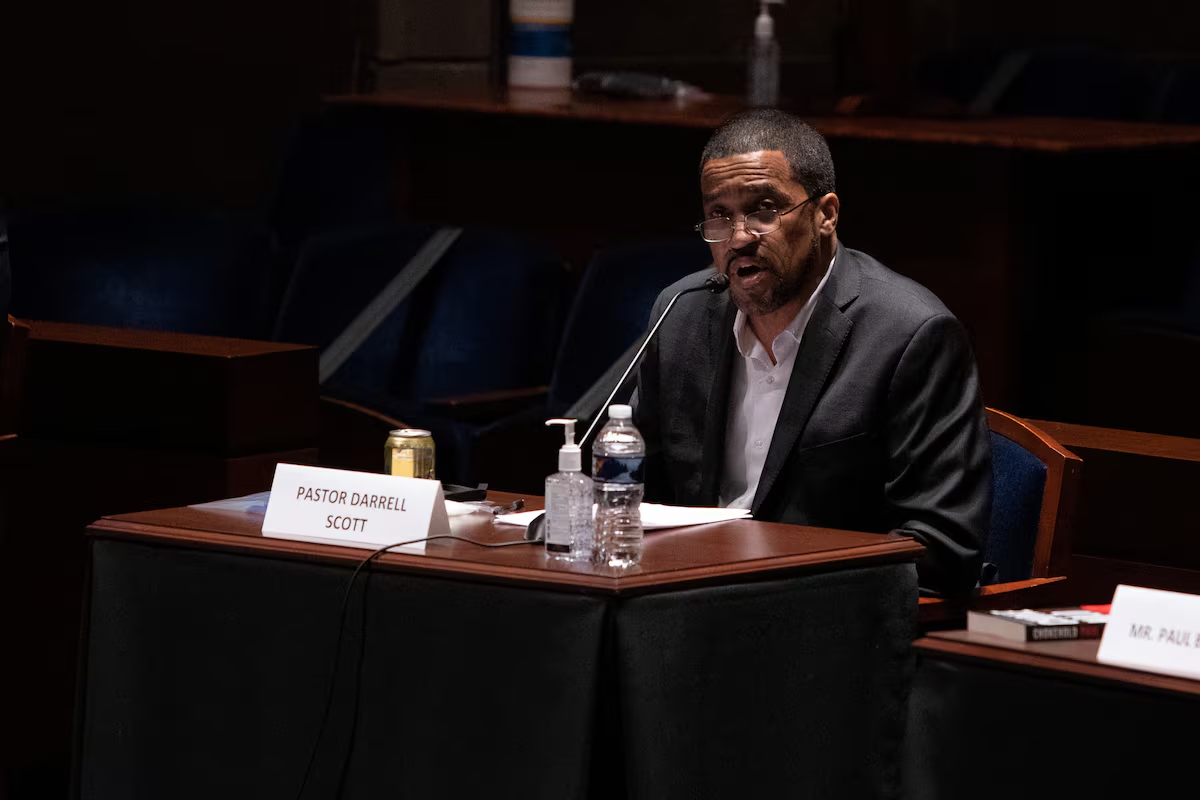
U.S. President Donald Trump has named Pastor Darrell Scott to serve as an adviser on tobacco health issues on the Centers for Disease Control and Prevention’s Advisory Committee to the Director. Trump said Scott would focus on the burden of tobacco-related disease and help examine ways to protect Americans from dangerous tobacco products while supporting solutions that reduce harm. Scott’s public career has largely centered on faith leadership, community advocacy and politics.
Sep.02
U.S. Customs Plan to Require Foreign Export Declarations Could Deal ‘Devastating’ Blow to China’s Vape Exports, Logistics gl Expert Says
A U.S. Customs and Border Protection proposal to collect foreign export declarations and other overseas customs documents could expose discrepancies in the value, classification and description of China-made vape shipments entering the United States. A veteran Chinese logistics professional told 2Firsts that the measure, if implemented, could undermine the all-inclusive shipping model used by some unauthorized vape exporters and push parts of the trade toward costlier underground channels. The risk extends beyond higher duties: accurately declared products may also be more readily identified as unauthorized e-cigarettes subject to FDA enforcement.
Special Report
Sep.07
South Korea Extends Vape Rules to Unmanned Stores After Bringing Synthetic Nicotine Under Tobacco Law
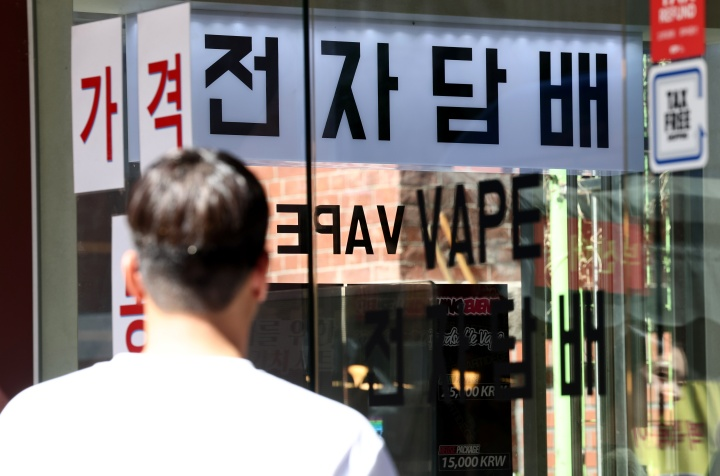
South Korea's Ministry of Gender Equality and Family said on September 14 that it plans to designate unmanned e-cigarette stores as businesses where minors are prohibited from entering or working. Operators would be required to verify customers' ages and display notices restricting access by minors. The proposal is open for public comment through October 6. The move follows an April expansion of South Korea's statutory tobacco definition that brought products made with natural or synthetic nicotine under the Tobacco Business Act. Nicotine-free liquids and products using nicotine analogues such as 6-methylnicotine, however, remain an emerging regulatory issue.
Sep.21
Florida Governor DeSantis Expands TANF Restrictions, Blocking Welfare Benefits From Buying Tobacco and Vapes
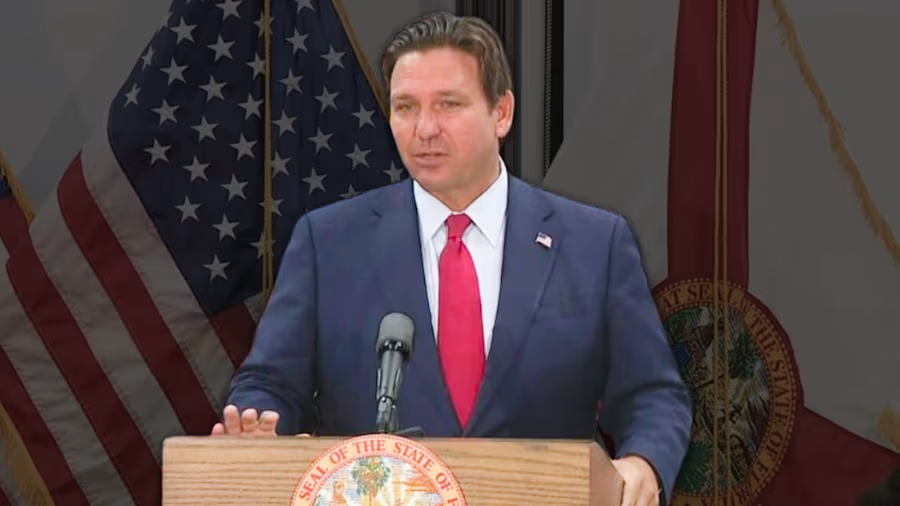
Florida Governor Ron DeSantis announced an expansion of Temporary Assistance for Needy Families (TANF) restrictions that would prohibit Electronic Benefit Transfer (EBT) funds from being used to purchase tobacco and vaping products. The state will amend its TANF State Plan and submit the changes for federal approval. Florida officials said the restrictions would not affect eligibility for temporary cash assistance or the amount of benefits received, but would change how funds can be spent.
Aug.25
From Nicotine Salts to Cocrystals: China’s Shenzhen Huabao institute explores a more stable form for sustained nicotine release
China-based Shenzhen Huabao Collaborative Innovation Technology Research Institute Co., Ltd. has filed a patent application for a nicotine-ascorbic acid cocrystal, exploring a new solid-state form of nicotine. The patent proposes applications across e-liquids, heated tobacco sticks, oral tobacco, chewing tobacco and snuff. In nicotine pouch tests disclosed in the filing, cocrystal formulations showed less than a 6% decline in nicotine content after three months of accelerated storage and a release profile combining early-stage release with sustained delivery over 60 minutes. The filing reflects exploration of nicotine forms beyond conventional nicotine base and nicotine salts.
Aug.13