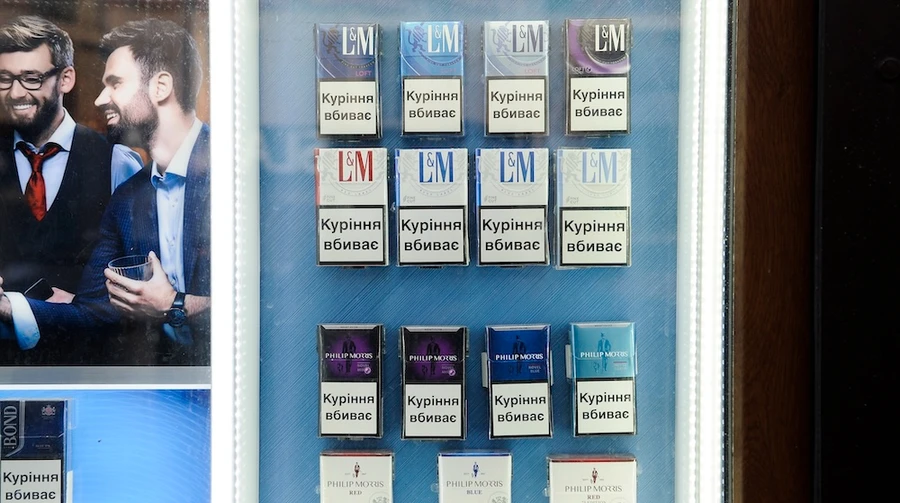
New York - In a major win for public health, the major U.S. tobacco companies have been ordered to display visual signs at around 220,000 retail stores nationwide that sell cigarettes. The signs, known as corrective statements, must be installed near cigarette displays in these stores between July 1 and Sept. 30 and must continue to be displayed until June 30, 2025. This action aims to benefit communities of color that have been disproportionately targeted with colorful tobacco advertisements and flavored tobacco products, which attract new teen smokers and make quitting smoking more difficult.
The display of corrective statements was first ordered in 2006 as part of a landmark judgment in the case of United States v. Philip Morris, et al. The tobacco companies were held liable for violating civil racketeering laws and lying to the public for decades about the health risks and addictiveness of smoking. The posting of corrective statements was delayed for 16 years as the tobacco companies fought against posting them in stores.
In Black and brown communities, there are up to 10 times more tobacco retail stores, leading to increased exposure to tobacco advertisements and products. These retailers are often located near schools, community centers, and health facilities, making it harder for individuals in these communities to avoid tobacco products.
Menthol marketing strategies have targeted Black Americans, making smoking easier to start and harder to quit. Efforts have been made in New York to remove menthol from retail stores, and the majority of New Yorkers support this action.
The signs will vividly depict the dangers of smoking and secondhand smoke, as well as the addictiveness of smoking. The goal is to increase education and awareness among tobacco product users and highlight the prioritization of profit over people's health by tobacco companies.
Compliance with the mandated law will be enforced by external agencies, and a tip line will be established for reporting stores that do not adhere to the display requirements.
This initiative is part of a larger effort by various organizations to improve health care and social services for marginalized communities. Multiple projects aim to reduce adult tobacco use and prevent youth from starting smoking through education and community mobilization.
Disclaimer
This article is provided solely for professional research, industry discussion, and informational purposes. Any references to brands, companies, products, technologies, or policies are made for factual reporting and analytical purposes only, and do not constitute endorsement, recommendation, promotion, or advertising by 2Firsts.
Nicotine-containing products, including but not limited to cigarettes, e-cigarettes, heated tobacco products, and nicotine pouches, carry significant health risks. Readers are responsible for complying with all applicable laws and regulations in their respective jurisdictions, including age restrictions and access limitations.
The information contained in this article should not be regarded as investment, legal, medical, regulatory, or commercial advice. While 2Firsts strives to ensure the accuracy and reliability of its content, it does not assume liability for any direct or indirect loss arising from errors, omissions, inaccuracies, or reliance on the information contained herein.
This article is not intended for individuals below the legal age for accessing tobacco or nicotine-related information in their jurisdiction.
Copyright Notice
This article is either original content produced by 2Firsts or content reproduced, translated, summarized, or adapted from third-party sources with attribution where applicable. The intellectual property rights of the original content remain with 2Firsts or the respective original rights holders.
No individual or organization may copy, reproduce, distribute, republish, modify, translate, or otherwise use this content without prior authorization. Any unauthorized use may result in legal action.
For copyright-related inquiries, corrections, or removal requests, please contact: info@2firsts.com.
AI-Assisted Translation and Editing Notice
Portions of this article may have been translated, edited, or reviewed with the assistance of artificial intelligence tools to improve efficiency and readability. Due to the limitations of AI-assisted translation and editing, discrepancies, omissions, or inaccuracies may exist when compared with the original source.
Where applicable, readers are advised to refer to the original source for the most complete and accurate information. If you identify any errors or believe that any content infringes upon your rights, please contact us at info@2firsts.com, and we will review and address the matter promptly.