Key Points
- Walgreens has resumed selling vapes in some U.S. stores, reversing a move made more than six years ago.
- Juul says its products are now in, or about to be in, roughly 6,000 Walgreens locations out of nearly 8,000 nationwide.
- Altria-owned NJOY’s store locator lists Walgreens locations across multiple U.S. cities as sellers.
- The move comes as Walgreens, recently acquired by Sycamore Partners, looks for new revenue while cutting costs.
- FDA authorizations since 2021 have made some major retailers more comfortable carrying authorized or “compliant” products.
2Firsts, Jan. 26, 2026
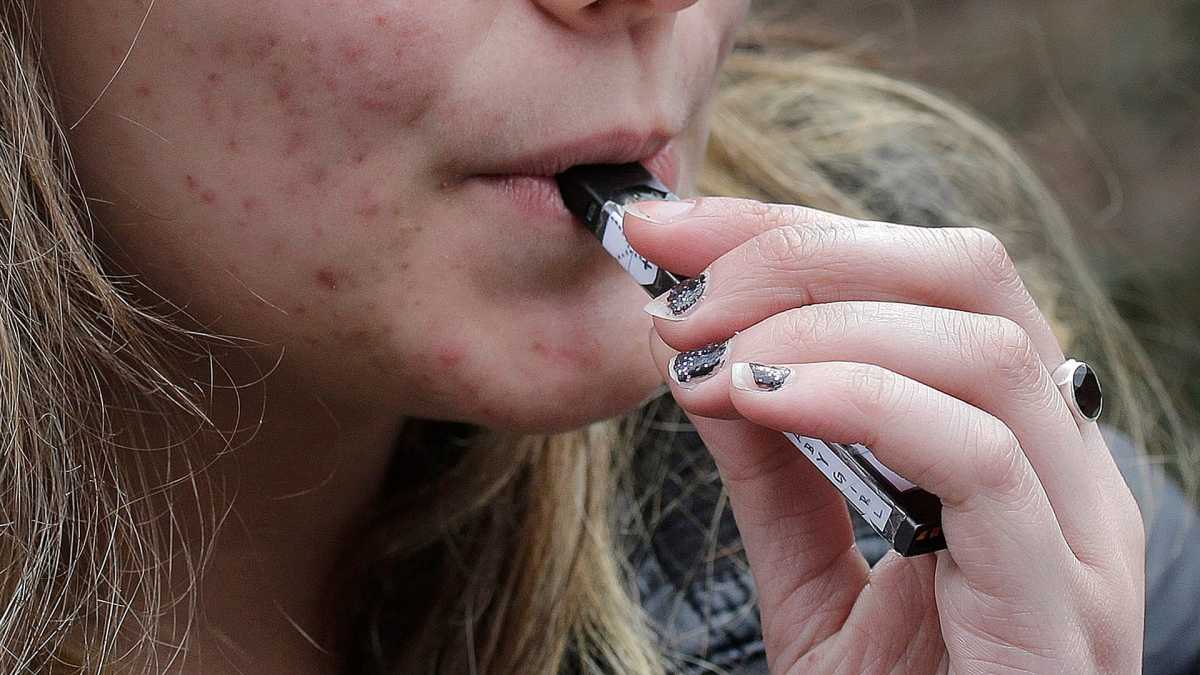
According to Bloomberg, Walgreens has started selling vapes in some U.S. stores, reversing its decision to stop carrying them in 2019. Workers said vape products began appearing on shelves earlier this year. A Juul Labs spokesperson said Juul products are now available, or about to be, in around 6,000 of Walgreens’ nearly 8,000 locations.
Altria-owned NJOY’s store locator also lists Walgreens stores across the country as sellers, spanning locations from Washington, D.C. to Chicago and Seattle. Altria declined to comment.
Walgreens said it offers adult consumers a broad range of products and regularly evaluates its assortment, adding that it has updated offerings to include compliant products. Sycamore Partners declined to comment.
Walgreens, along with major retailers including Walmart and Kroger, pulled vapes from shelves in 2019 amid nationwide concerns, particularly around youth use.
Since then, FDA has authorized certain electronic nicotine delivery system products starting in 2021, which has helped some large retailers justify carrying authorized products. Kroger said it began selling FDA-authorized e-cigarette and vape products in November 2023.
CVS and Walmart said they do not sell e-cigarettes; CVS ended all tobacco sales in 2014, while Walmart has also ended cigarette sales in certain stores in recent years.
Bloomberg also noted that many Walgreens locations still sell cigarettes, although some states and local governments prohibit cigarette sales in pharmacies.
Image source: Bloomberg
We welcome news tips, article submissions, interview requests, or comments on this piece.
Please contact us at info@2firsts.com, or reach out to Alan Zhao, CEO of 2Firsts, on LinkedIn
Notice
1. This article is intended solely for professional research purposes related to industry, technology, and policy. Any references to brands or products are made purely for objective description and do not constitute any form of endorsement, recommendation, or promotion by 2Firsts.
2. The use of nicotine-containing products — including, but not limited to, cigarettes, e-cigarettes, nicotine pouchand heated tobacco products — carries significant health risks. Users are responsible for complying with all applicable laws and regulations in their respective jurisdictions.
3. This article is not intended to serve as the basis for any investment decisions or financial advice. 2Firsts assumes no direct or indirect liability for any inaccuracies or errors in the content.
4. Access to this article is strictly prohibited for individuals below the legal age in their jurisdiction.
Copyright
This article is either an original work created by 2Firsts or a reproduction from third-party sources with proper attribution. All copyrights and usage rights belong to 2Firsts or the original content provider. Unauthorized reproduction, distribution, or any other form of unauthorized use by any individual or organization is strictly prohibited. Violators will be held legally accountable.
For copyright-related inquiries, please contact: info@2firsts.com
AI Assistance Disclaimer
This article may have been enhanced using AI tools to improve translation and editorial efficiency. However, due to technical limitations, inaccuracies may occur. Readers are encouraged to refer to the cited sources for the most accurate information.
We welcome any corrections or feedback. Please contact us at: info@2firsts.com