WHO Urges Countries to Ban Flavored E-cigarettes for Public Health

Regulations by 2FIRSTS.ai
Dec.28.2023
WHO Urges Countries to Ban Flavored E-cigarettes for Public Health
WHO Urges Nations to Treat E-Cigarettes like Traditional Tobacco, Ban All Flavors to Protect Citizens from Harmful Risks.

According to a report by Bisnis.com on December 28, the World Health Organization (WHO) has called on countries to treat e-cigarettes the same way as traditional tobacco and to ban all flavors.


According to a survey conducted by WHO, approximately one-fifth of American adults, or 11 million people, are using e-cigarettes. Increasing evidence suggests that the harmful substances produced by e-cigarettes can damage the lungs and increase the risk of cardiovascular and pulmonary diseases.


The WHO is urging countries to implement stringent measures to prevent the spread of e-cigarettes in order to protect their citizens, especially children and adolescents. WHO Director-General Tedros Adhanom Ghebreyesus has warned that young people who use e-cigarettes may become addicted to both e-cigarettes and nicotine from an early age.


As of July this year, a total of 34 countries, including Brazil, India, Iran, and Thailand, have banned e-cigarettes. However, in 74 countries, including Pakistan, Colombia, and Mongolia, primarily located in Africa, there is still no formal regulation on e-cigarettes. In major markets such as the United States and China, e-cigarettes are allowed by the government but subject to certain usage regulations.


We welcome news tips, article submissions, interview requests, or comments on this piece.

Please contact us at info@2firsts.com, or reach out to Alan Zhao, CEO of 2Firsts, on LinkedIn


Notice

1.  This article is intended solely for professional research purposes related to industry, technology, and policy. Any references to brands or products are made purely for objective description and do not constitute any form of endorsement, recommendation, or promotion by 2Firsts.

2.  The use of nicotine-containing products — including, but not limited to, cigarettes, e-cigarettes, nicotine pouchand heated tobacco products — carries significant health risks. Users are responsible for complying with all applicable laws and regulations in their respective jurisdictions.

3.  This article is not intended to serve as the basis for any investment decisions or financial advice. 2Firsts assumes no direct or indirect liability for any inaccuracies or errors in the content.

4.  Access to this article is strictly prohibited for individuals below the legal age in their jurisdiction.


Copyright


This article is either an original work created by 2Firsts or a reproduction from third-party sources with proper attribution. All copyrights and usage rights belong to 2Firsts or the original content provider. Unauthorized reproduction, distribution, or any other form of unauthorized use by any individual or organization is strictly prohibited. Violators will be held legally accountable.

For copyright-related inquiries, please contact: info@2firsts.com


AI Assistance Disclaimer


This article may have been enhanced using AI tools to improve translation and editorial efficiency. However, due to technical limitations, inaccuracies may occur. Readers are encouraged to refer to the cited sources for the most accurate information.

We welcome any corrections or feedback. Please contact us at: info@2firsts.com

South Korea Extends Vape Rules to Unmanned Stores After Bringing Synthetic Nicotine Under Tobacco Law
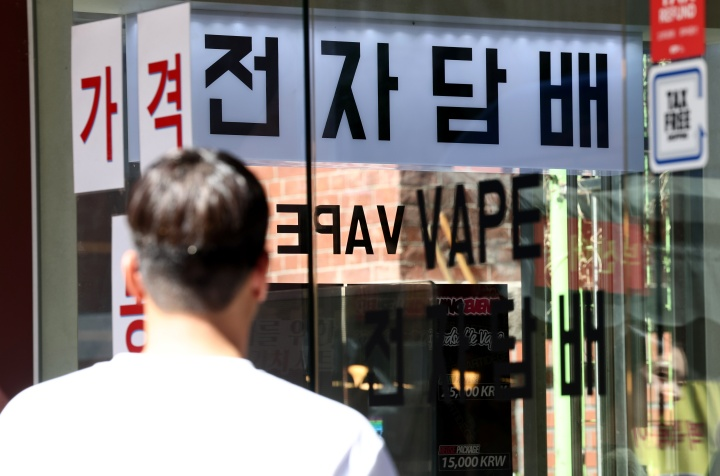
South Korea's Ministry of Gender Equality and Family said on September 14 that it plans to designate unmanned e-cigarette stores as businesses where minors are prohibited from entering or working. Operators would be required to verify customers' ages and display notices restricting access by minors. The proposal is open for public comment through October 6. The move follows an April expansion of South Korea's statutory tobacco definition that brought products made with natural or synthetic nicotine under the Tobacco Business Act. Nicotine-free liquids and products using nicotine analogues such as 6-methylnicotine, however, remain an emerging regulatory issue.
Sep.21
Product | SKE Launches FRESA PRO in the U.S., Introducing Fresh Lock Technology for E-Liquid Management in High-Capacity Vapes
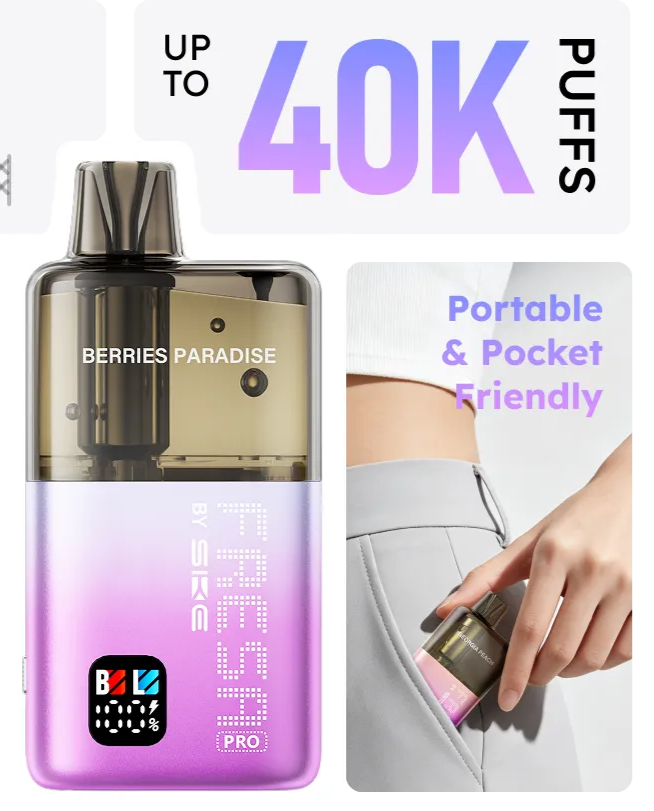
Shenzhen SKE Technology has launched the FRESA PRO in the United States, a high-capacity rechargeable disposable vape featuring Fresh Lock electromagnetic valve supply control technology. The device combines a claimed capacity of up to 40,000 puffs, dual mesh coils, dual output modes and a transparent tank design. The launch reflects the high-capacity disposable vape segment’s shift from puff-count competition toward improved e-liquid management and device-level experience.
Aug.03
R.J. Reynolds Vapor Company Launches Flavored Vuse Pro Pods in U.S. Without FDA Marketing Authorization
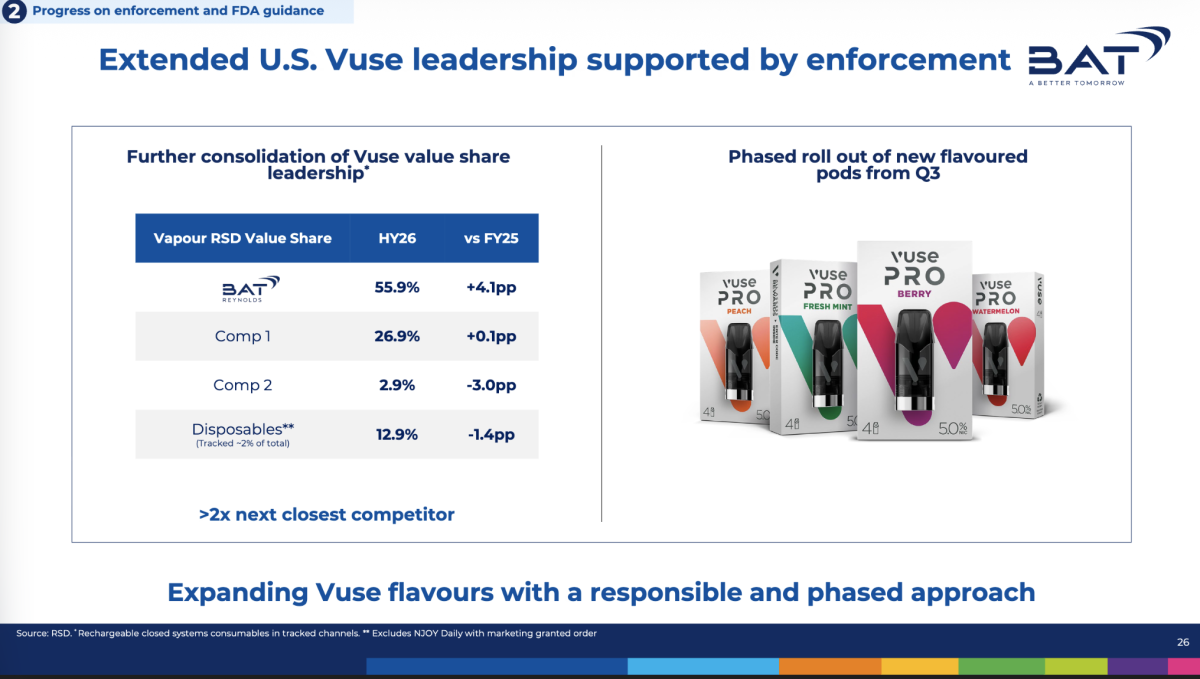
R.J. Reynolds Vapor Company has begun selling four flavored Vuse Pro pods — Peach, Berry, Watermelon and Fresh Mint — in Ohio and selected other U.S. markets. According to the Vuse U.S. FAQ, Vuse Pro contains approximately 5.0% nicotine by weight, and Vuse Pro pre-filled pods are intended for use with Vuse Alto devices. Reynolds told 2Firsts that product labeling lists an e-liquid capacity of 2.0 mL per pod. The Vuse Alto Power Unit received FDA marketing authorization in 2024, while the new Vuse Pro pods themselves have not received marketing granted orders. The rollout follows the FDA’s May 2026 revision of enforcement priorities for certain unauthorized vaping products with qualifying pending applications.
BAT
Sep.10
Australia Adds 6-Methylnicotine to Schedule 9 Prohibited Substances, Effective October 1
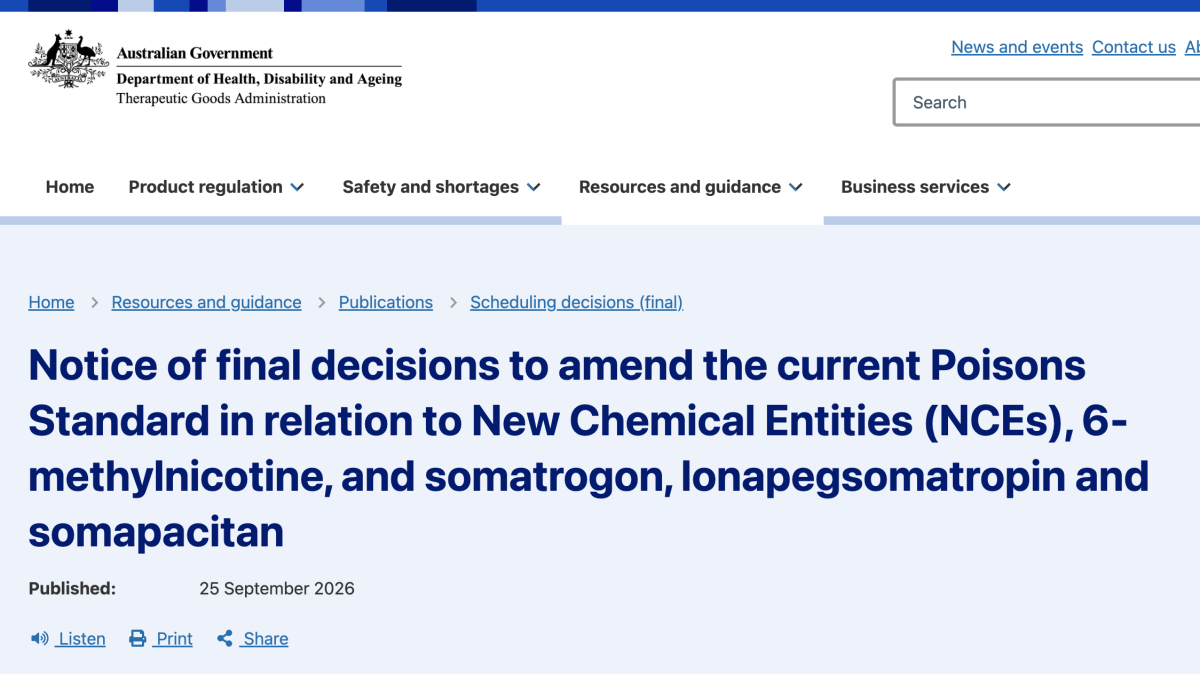
Australia's Therapeutic Goods Administration published a final decision on September 25 to classify 6-methylnicotine as a Schedule 9 prohibited substance under the Poisons Standard, effective October 1, 2026. TGA said the chemical has been reported in e-cigarette liquids sold in Australia and marketed as nicotine-free or nicotine alternatives, while evidence also indicates its use in preparations such as oral pouches. The government originally proposed a Schedule 7 classification but ultimately adopted the stricter Schedule 9 designation, citing acute toxicity, dependence risk, use in unapproved consumer products and misleading marketing.
News
Sep.29 by 2Firsts Perspectives
Product | DOJO Launches 0+6ml BLAST7K Fresh in UK in September, Retaining 2+8ml Pod Compatibility Ahead of October Per-Milliliter Vaping Duty
DOJO officially launched the BLAST7K Fresh on September 17, 2026, introducing a UK-market prefilled pod product with 6ml of e-liquid and a manufacturer-rated capacity of up to 7,000 puffs. The device features a 1000mAh rechargeable battery, the INSTA-JUICED structure and COREX BLAST dual-mesh technology, while retaining compatibility with existing BLAST pods. The launch comes less than two weeks before the UK's Vaping Products Duty takes effect on October 1. At the new duty rate, 6ml of vaping liquid would correspond to £1.32 in VPD. DOJO has not stated that the product's 6ml format was designed in response to the new duty.
Sep.20
Philippines Customs Seizes PHP11.68 Billion($200 Million) in Illegal Tobacco and Vapes in First Seven Months of 2026
Philippines Customs data showed that illegal cigarettes and vape products seized during the first seven months of 2026 were valued at about PHP11.68 billion, exceeding the PHP2.516 billion recorded for the full year of 2025. The figures were disclosed by a Bureau of Customs official during a House Committee on Ways and Means hearing on tobacco excise tax reforms. Vape-related seizures were valued at about PHP1.65 billion, with most cases recorded at the Manila International Container Port. Customs officials said enforcement against illicit tobacco trade would continue.
Aug.26