Philip Morris Thinking “Beyond Nicotine”—PMI’s Sustainability Vision

Industry Insight
Jun.29.2023
Philip Morris Thinking “Beyond Nicotine”—PMI’s Sustainability Vision
As Philip Morris International’s Head of Scientific Engagement for East Asia, Australia & Duty-Free region, Yvonne tells 2FIRSTS about PMI’s vision on sustainability and THR product portfolio.

June 22 saw the opening of the second day of the Global Forum on Nicotine 2023. Themed “tobacco harm reduction (THR) – the next decade”, scientists and scholars from companies, universities, NPOs, and research institutes presented the panels held in Marriot Hotel, Warsaw. Yvonne Khoo was one of them. As Philip Morris International’s Head of Scientific Engagement for East Asia, Australia & Duty-Free region, Yvonne tells 2FIRSTS about PMI’s vision on sustainability and THR product portfolio.


PMI’s Striving for Safer Alternatives


PMI's CEO Jacek Olczak recently suggested that “cigarettes belong to museums”. Yvonne explains that Jacek urged stakeholders to join PMI in transitioning from combustible cigarettes to reduced risk products, a safer alternative for smokers who won't quit.


"He highlighted the potential public health consequences of inaction with 1.1 billion smokers worldwide. PMI is developing scientifically backed products and sharing our research transparently. PMI has published annual integrated report since 2018, it outlines our commitment to sustainability and becoming a net positive company."


Yvonne then further elaborated on PMI’s initiatives for new technologies, 


"Every smoke-free product is supported by comprehensive scientific research, including our heated tobacco product, IQOS."


Universal Goal, Localized Plans


When asked about whether PMI's sustainability strategy is a global goal or different for each region, Yvonne replies that PMI's integrated sustainability strategy applies globally, but tailored for each region's culture.


We adapt it to regional sensitivities when necessary. For instance, in Japan, a significant number of smokers switched to heated tobacco products, demonstrating societal impact. Data from the National Health and Morbidity Survey in Japan indicates a 7% decrease (20% - 13%) in smoking prevalence since the introduction of heated tobacco products to the country in 2018, aligning with the overall public health goal of reducing tobacco use. A study also found minimal heated tobacco product usage among school children, suggesting these products aren't attracting new users.


Japan serves as a clear example of the beneficial public health impact of introducing smoke-free products. "Japanese are hygiene-conscious and considerate of others, making heated tobacco products an ideal fit for transforming tobacco use there. This is a leading case study that others can learn from."


To achieve the overall sustainability goal, Yvonne believes that PMI’s making tailored product plans for different countries. As PMI operates globally, Yvonne said, 


"We ensure markets marketing our products also commit to our sustainability initiatives. This includes recycling and take-back programs encouraged by local businesses or governments. These are indeed global initiatives."


From Multiple Nicotine Products to Beyond Nicotine


When asked about the role VEEBA, a vape brand under PMI, and other products like oral nicotine's role in PMI's sustainability, Yvonne answers that PMI believes in a multi-category smoke-free product platform to encourage as many smokers as possible to switch if they don't quit. This includes heated tobacco, e-cigarettes, and oral nicotine products, all falling under their sustainability initiative.


"We focus not only on minimal carbon impact production but also on sustainable usage and disposal, with initiatives like device recycling and used consumable collection programs."


Yvonne reiterated how crucial R&D is to PMI as a staff and a scientist in the company. 


"Sustainability at PMI is underpinned by innovation and science, which is used to develop smoke-free products."


These products are scientifically assessed to provide comprehensive evidence that switching to them is potentially less harmful. “Since 2018, we've invested $10.7 billion in our transformation to a smoke-free future”.


Yvonne then introduced “The Cube” to 2FIRSTS. “‘The Cube is the nickname of our R&D facility in Neuchatel, Switzerland”. It’s home to more than 1,500 scientists, who contributed to more than 500 peer-reviewed research articles.


Philip Morris Thinking “Beyond Nicotine”—PMI’s Sustainability Vision
“The Cube” | PMI


“Additionally, we have other facilities like our Vectura Fertin Pharma lab in Singapore, focusing on health and consumer wellness since the acquisition of a few pharmaceutical companies a few years back.” 


“As a science communicator and scientist, I'm excited about how science is evolving in the company and the potential for communicating more about an innovation-based company,” Yvonne said.

 

Philip Morris Thinking “Beyond Nicotine”—PMI’s Sustainability Vision
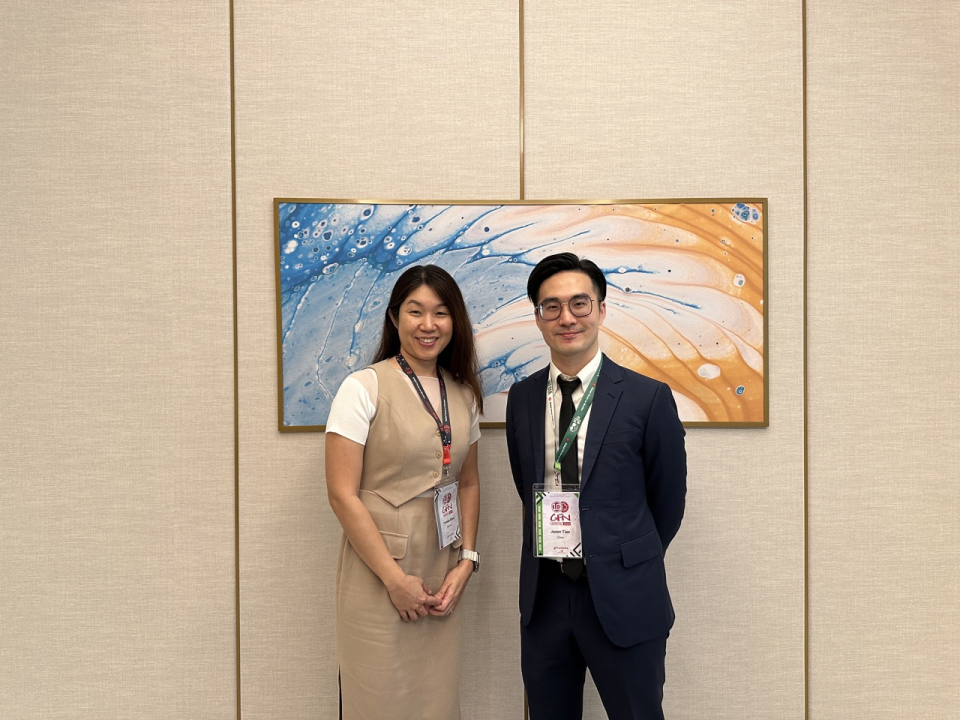
Yvonne and 2FIRSTS Journalist | 2FIRSTS
South Korea Extends Vape Rules to Unmanned Stores After Bringing Synthetic Nicotine Under Tobacco Law
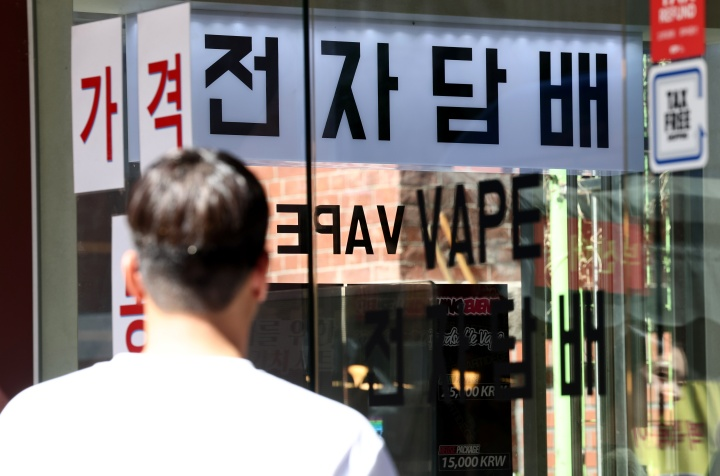
South Korea's Ministry of Gender Equality and Family said on September 14 that it plans to designate unmanned e-cigarette stores as businesses where minors are prohibited from entering or working. Operators would be required to verify customers' ages and display notices restricting access by minors. The proposal is open for public comment through October 6. The move follows an April expansion of South Korea's statutory tobacco definition that brought products made with natural or synthetic nicotine under the Tobacco Business Act. Nicotine-free liquids and products using nicotine analogues such as 6-methylnicotine, however, remain an emerging regulatory issue.
Sep.21
Australian Coalition Unveils Illicit Tobacco Plan With 80% Excise Cut and Legal, Taxed Vapes and Nicotine Pouches
Australia’s Coalition has unveiled a national illicit-tobacco policy that would cut tobacco excise by 80% and create legal, regulated and taxed adult markets for vaping products and nicotine pouches if it wins government. The plan proposes an excise of A$0.50 per millilitre of e-liquid and A$0.025 per milligram of nicotine in pouches, alongside A$200 million in additional enforcement and a A$60 million three-year public-awareness campaign. The Coalition says the package would narrow the price advantage of illicit products and undermine organised crime, while Labor and public-health groups warn that dramatically cheaper cigarettes could reverse long-term declines in smoking.
Sep.03
UAE Sets Dh1-Per-ml Minimum Excise Price for Vape Liquids From Sept. 1 While Keeping 100% Tax Rate
The UAE Ministry of Finance will introduce a minimum excise price for e-liquids used in vaping and electronic smoking devices from September 1, 2026. The minimum excise price will be set at AED 1 per millilitre. The existing 100% excise tax rate will continue to apply to tobacco and electronic smoking products. The measure changes the minimum taxable base rather than the tax rate, with the UAE government saying it aims to establish unified tax standards, improve market compliance and prevent pricing loopholes.
Regulations
Aug.07 by 2Firsts Perspectives
2Firsts Data | China’s Vape-Related Exports Rise 16.5% in July 2026 as U.S.-Bound Shipments Jump 53.5%
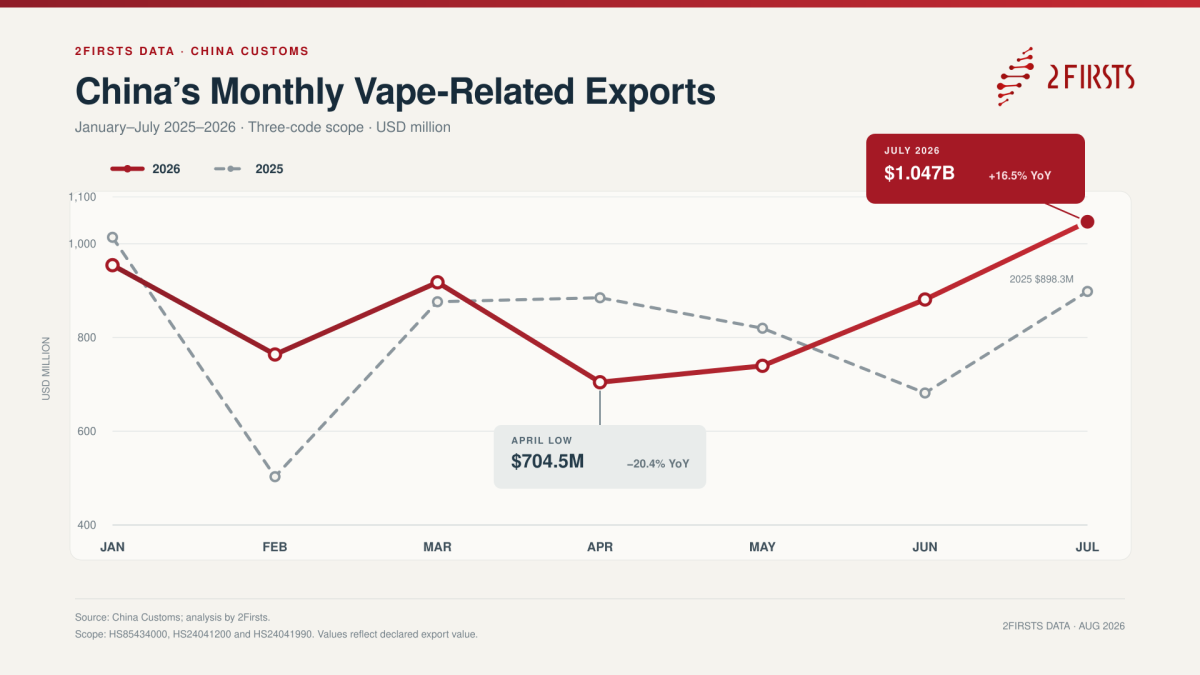
China’s vape-related exports reached $1.047 billion in July 2026, up 16.5% year on year and the highest monthly total of the year. Growth was heavily concentrated in the U.S., where exports jumped 53.5% to $404 million and accounted for 94.9% of the overall increase. Exports to all other markets rose just 1.2%. By category, nicotine-containing non-combustible products—primarily vapes—under HS24041200 rose 24.7% and generated 95.5% of the total increase. Vape-device exports under HS85434000 fell 0.4%, while other nicotine-substitute products under HS24041990 grew 88.9% but remained comparatively small.
DATA
Aug.24
Product | OXVA Launches ONEO Pro in France, Upgrading Its Open-Pod Platform
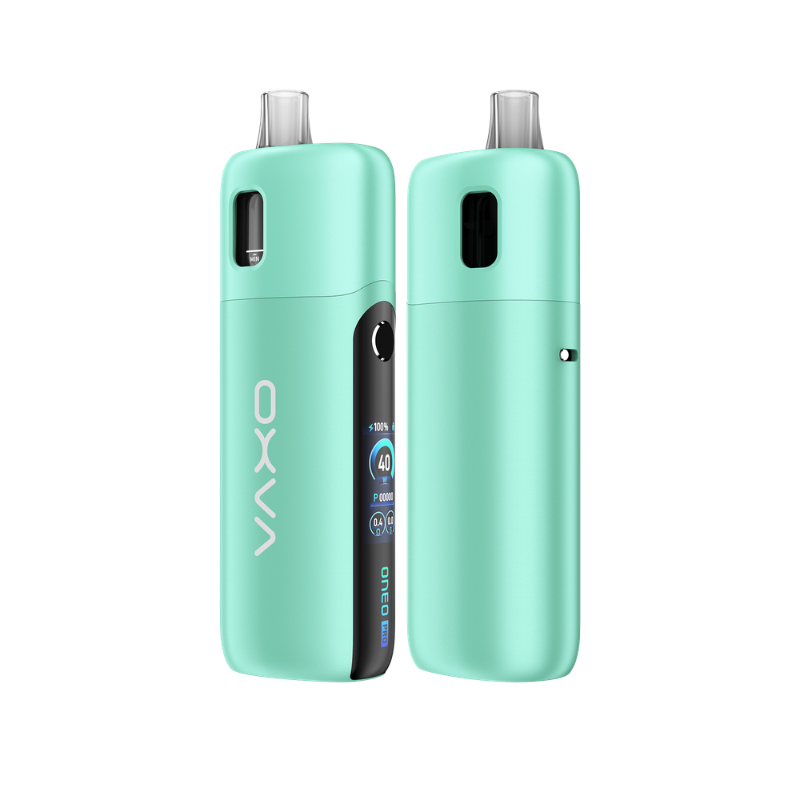
Vape brand OXVA has introduced the ONEO Pro, a refillable open-pod system that entered the French market in July 2026. The device features a 2,100mAh battery, up to 40W output, a 4ml refillable cartridge, multiple coil options and a 0.96-inch color TFT display. The launch reflects continued performance upgrades within the refillable open-pod segment, with brands adding higher capacity, adjustable output and smarter device interaction.
Aug.03
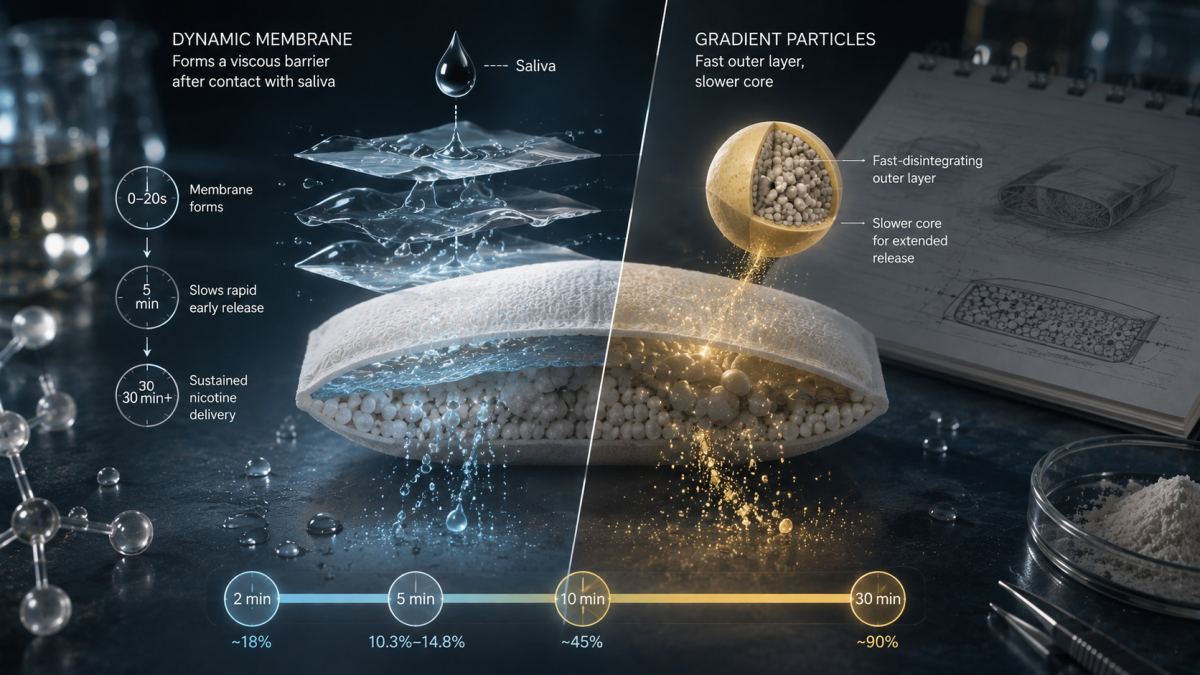
China Tobacco Hubei explores staged nicotine pouch delivery, using dynamic membranes to slow early release and gradient particles to sustain later delivery
China Tobacco Hubei Industrial Co., Ltd. disclosed several oral nicotine-related patent applications in August 2026, including two that approach staged nicotine release from different directions. One uses a high-viscosity membrane that forms inside the pouch after contact with saliva to slow rapid early release, while the other uses gradient particles with a faster-disintegrating outer layer and a slower core to create a fast-to-sustained release profile. Together, the filings explore how nicotine pouches could balance initial delivery with release later in use.
Sep.03