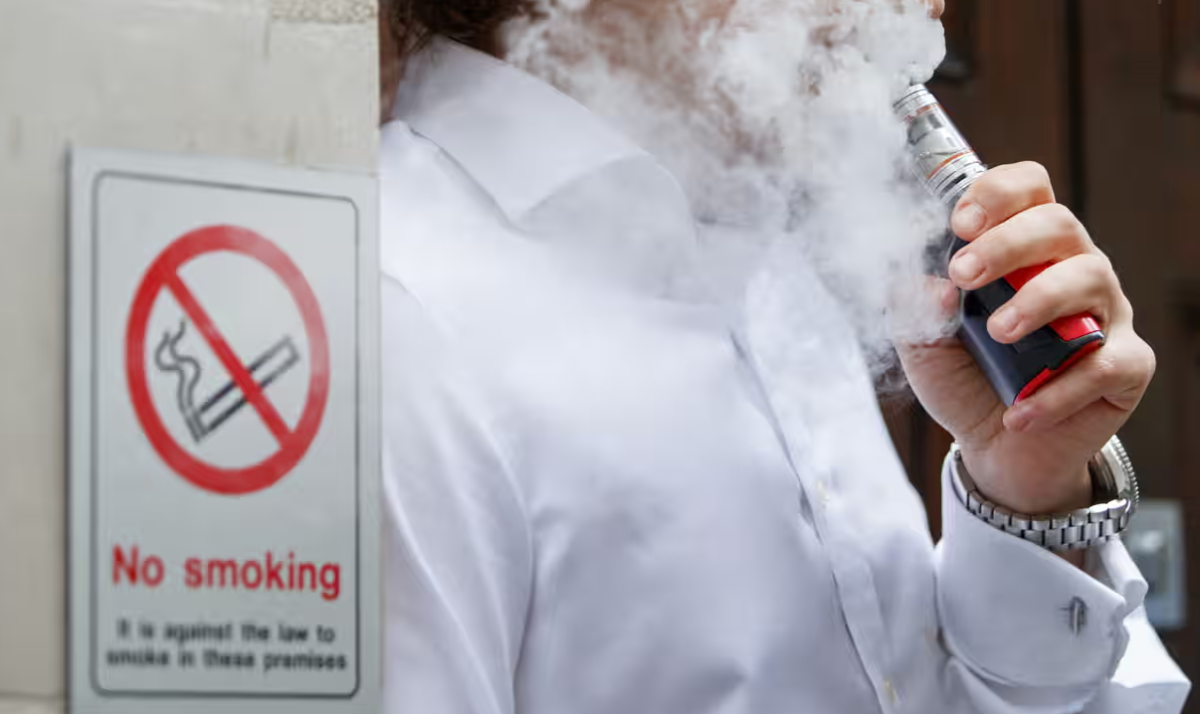
According to a report from The Guardian on June 30th, Australia has implemented a new law starting on Monday (July 1st) making it the first country in the world to ban the sale of e-cigarettes in retail stores.
According to this reform, the domestic manufacturing, supply, commercial possession, and advertising of all disposable and non-therapeutic e-cigarettes will be prohibited. In other words, e-cigarettes can only be purchased behind the counter at pharmacies.
The new regulations will strictly control the concentration and distribution quantity of nicotine. E-cigarettes will be required to use plain packaging, with flavors limited to tobacco, mint, and menthol.
Adults will need a prescription from a general practitioner to purchase e-cigarettes for therapeutic purposes, but this requirement is only valid until October. After that, only children will need a prescription.
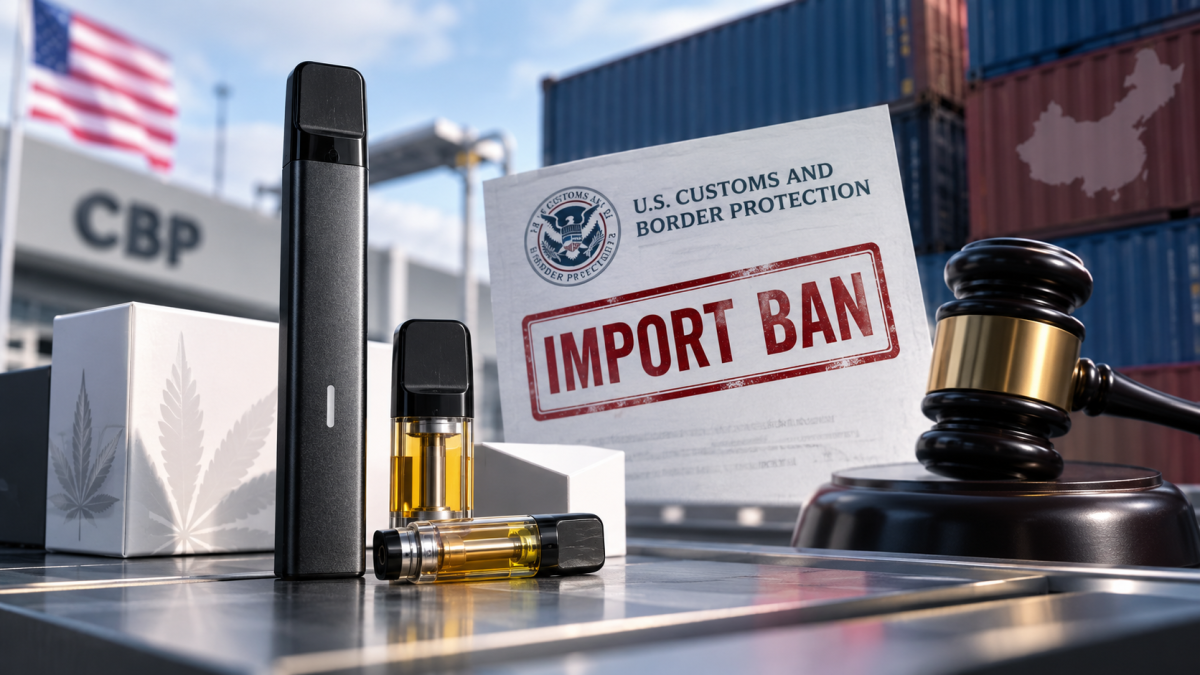
The latest reform took place after legislation in March, which banned the import of e-cigarettes unless the importer has a license and permit.
Professor Becky Freeman, an expert in tobacco control at the University of Sydney, stated:
We need this retail sales ban in order to truly make these laws effective and enforcement possible.
Starting from Monday, federal authorities including the Australian Federal Police, Australian Border Force, and Therapeutic Goods Administration, as well as health and police departments in states and territories, will be responsible for enforcing the law.
The Australian Therapeutic Goods Administration stated that the new regulations will make it easier to crack down on the illegal supply of e-cigarettes, as there will be no need for laboratory testing to determine if they contain nicotine.
All states and territories are in support of federal reforms, and have pledged to collaborate and increase compliance efforts.
New South Wales (NSW) has authorized more than 50 staff members to act as inspectors statewide, as part of a $25 million investment by the NSW Department of Health to regulate tobacco and e-cigarettes.
The Queensland government passed a law in 2023 granting its health department the authority to crack down on illegal tobacco activities, including conducting raids on businesses.
A Queensland Health spokesperson has stated that as part of a $28 million commitment, the state has also increased funding for frontline law enforcement officers to strengthen their ability to enforce e-cigarette and tobacco laws.
In the 2023-24 fiscal year, the state's hospitals and health services department received $2 million in funding, with an additional $5 million in ongoing funding for enforcement starting on Monday.
The federal government has provided an additional $25 million Australian dollars to the Border Protection Agency within two years, and allocated $56.9 million Australian dollars to the Therapeutic Goods Administration. Nearly 3 million e-cigarettes have been seized this year.
Many e-cigarette vendors have expressed opposition to these reforms. In March, when imports were banned, a New Zealand online e-cigarette retailer vowed to disregard Australia's new laws.
Last week, the Australian Association of Convenience Stores (AACS) criticized the latest reforms as "dysfunctional policies." AACS expressed support for the alternative e-cigarette policy announced by the opposition coalition on Tuesday, which includes a tobacco-like tax and regulatory scheme that would allow e-cigarettes to be purchased in places like gas stations or convenience stores.
CEO of AACS, Theo Foukkare, expressed his belief that the government's new law would lead to an "uncontrollable black market," a claim that some health experts have refuted.
A tobacco merchant in the Sydney Central Business District agreed to be interviewed on the condition of anonymity, but did not specify whether they would dispose of the remaining e-cigarette inventory before Monday.
However, they referred to these laws as "impractical" and stated that they pose significant financial challenges to tobacco merchants' business.
If you don't sell e-cigarettes, you will go bankrupt.
According to the new law, enforcement will target individuals and businesses selling e-cigarettes, rather than consumers. Individuals selling e-cigarettes for non-therapeutic purposes may face up to seven years in prison and a fine of $2.2 million AUD.
Businesses may face fines of up to 21.91 million Australian dollars for each violation.
The revised legislation specifies that individuals will not face criminal charges for possessing a small number of e-cigarettes. The limit for personal possession is set at nine e-cigarettes of any type. Individuals will have an eight-month grace period to comply with the new regulations.
Starting from July 1st, individuals who want to purchase regulated e-cigarettes for therapeutic purposes will need to have a conversation with their primary care physician and obtain a prescription in order to buy them from a pharmacy.
Starting from October 1st, e-cigarettes with nicotine concentration of 20mg/ml or lower can be obtained without a prescription through communication with a pharmacist. However, individuals under the age of 18 will require a prescription regardless.
We welcome news tips, article submissions, interview requests, or comments on this piece.
Please contact us at info@2firsts.com, or reach out to Alan Zhao, CEO of 2Firsts, on LinkedIn
Notice
1. This article is intended solely for professional research purposes related to industry, technology, and policy. Any references to brands or products are made purely for objective description and do not constitute any form of endorsement, recommendation, or promotion by 2Firsts.
2. The use of nicotine-containing products — including, but not limited to, cigarettes, e-cigarettes, nicotine pouchand heated tobacco products — carries significant health risks. Users are responsible for complying with all applicable laws and regulations in their respective jurisdictions.
3. This article is not intended to serve as the basis for any investment decisions or financial advice. 2Firsts assumes no direct or indirect liability for any inaccuracies or errors in the content.
4. Access to this article is strictly prohibited for individuals below the legal age in their jurisdiction.
Copyright
This article is either an original work created by 2Firsts or a reproduction from third-party sources with proper attribution. All copyrights and usage rights belong to 2Firsts or the original content provider. Unauthorized reproduction, distribution, or any other form of unauthorized use by any individual or organization is strictly prohibited. Violators will be held legally accountable.
For copyright-related inquiries, please contact: info@2firsts.com
AI Assistance Disclaimer
This article may have been enhanced using AI tools to improve translation and editorial efficiency. However, due to technical limitations, inaccuracies may occur. Readers are encouraged to refer to the cited sources for the most accurate information.
We welcome any corrections or feedback. Please contact us at: info@2firsts.com