Australian Government Implements Strict Regulations on E-Cigarettes From 2024

Regulations by 2FIRSTS.ai
May.13.2024
Australian Government Implements Strict Regulations on E-Cigarettes From 2024
Australia tightens regulations on e-cigarettes, imposing import bans and restrictions on nicotine sales, prompting concerns about black market activity.

According to a report from the Australian Department of Health website on May 13th, the Australian government has recently implemented strict regulations on the e-cigarette industry in order to curb excessive tobacco consumption and control tobacco-related harm, introducing new legislative measures.


Starting in 2024, Australia has imposed import bans on two types of e-cigarette products. As of January 1, 2024, the import of disposable e-cigarettes is prohibited domestically. From March 1, 2024, the import of non-therapeutic e-cigarettes is also prohibited. In addition, retailers are prohibited from selling nicotine-containing e-cigarettes without a prescription.


Due to new regulations, e-cigarette retailers in Australia have only a limited time to dispose of their stock of disposable and non-therapeutic e-cigarettes. However, this move has raised questions about some retailers falsely claiming to sell e-cigarettes, sparking calls for the government to strengthen industry regulations.


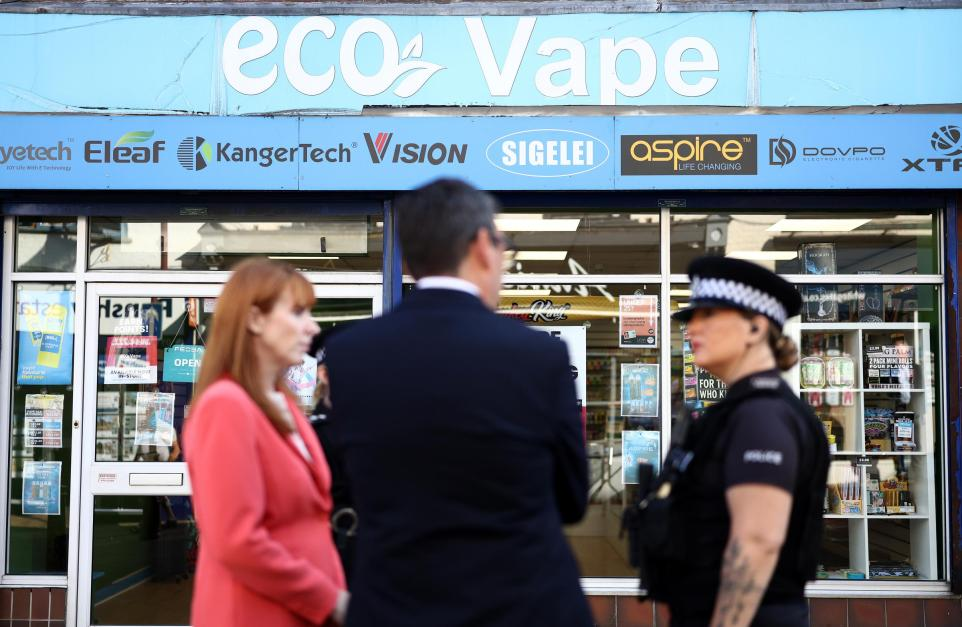
According to citizen reports, some e-cigarette retail stores with simple decorations and few customers are actually operated by closely-knit family groups. While they may appear to be legitimate businessmen, there could be suspicions of setting up fake stores to cover up other illegal activities through the sale of e-cigarettes. In light of this situation, the Australian government should increase regulatory efforts to prevent "legitimate businessmen" from profiting from this.


We welcome news tips, article submissions, interview requests, or comments on this piece.

Please contact us at info@2firsts.com, or reach out to Alan Zhao, CEO of 2Firsts, on LinkedIn


Notice

1.  This article is intended solely for professional research purposes related to industry, technology, and policy. Any references to brands or products are made purely for objective description and do not constitute any form of endorsement, recommendation, or promotion by 2Firsts.

2.  The use of nicotine-containing products — including, but not limited to, cigarettes, e-cigarettes, nicotine pouchand heated tobacco products — carries significant health risks. Users are responsible for complying with all applicable laws and regulations in their respective jurisdictions.

3.  This article is not intended to serve as the basis for any investment decisions or financial advice. 2Firsts assumes no direct or indirect liability for any inaccuracies or errors in the content.

4.  Access to this article is strictly prohibited for individuals below the legal age in their jurisdiction.


Copyright


This article is either an original work created by 2Firsts or a reproduction from third-party sources with proper attribution. All copyrights and usage rights belong to 2Firsts or the original content provider. Unauthorized reproduction, distribution, or any other form of unauthorized use by any individual or organization is strictly prohibited. Violators will be held legally accountable.

For copyright-related inquiries, please contact: info@2firsts.com


AI Assistance Disclaimer


This article may have been enhanced using AI tools to improve translation and editorial efficiency. However, due to technical limitations, inaccuracies may occur. Readers are encouraged to refer to the cited sources for the most accurate information.

We welcome any corrections or feedback. Please contact us at: info@2firsts.com

Kantar Study Finds More Than 93% of Vape Products in Ukraine Fail Regulatory Requirements
According to Interfax-Ukraine, a study conducted by market research firm Kantar Ukraine at the request of major tobacco companies found that more than 93% of vape products in Ukraine did not fully comply with regulatory requirements. The research examined product categories, brand distribution and consumer purchasing channels, showing that pod systems and disposable vapes represent major segments of the market, while offline retail remains the dominant purchasing channel. The findings highlight ongoing compliance challenges in Ukraine’s vape market.
Aug.26
UK HMRC Urges Public to Report Suspicious Vape Shops in Crackdown on Tax Fraud, Money Laundering and Illicit Tobacco Sales
HM Revenue & Customs is urging members of the public to report vape shops, barber shops and other high-street businesses suspected of tax fraud, money laundering or other illegal activity, with informants not required to provide personal details. HMRC plans more than 30,000 interventions in 2026-27 targeting tax fraud, organised crime and illicit activity, including the sale of illegal vapes and tobacco. The push forms part of a broader UK effort to tackle organised crime on high streets, backed by a £30 million government enforcement programme.
Regulations
Aug.17 by 2Firsts Perspectives
Malaysia Withdraws Appeal Against Liquid Nicotine Ruling as Vape Regulation Framework Enters New Phase
Malaysia’s government has withdrawn its appeal against a High Court ruling concerning the regulatory status of liquid nicotine used in vape and e-cigarette products, according to reports by New Straits Times, Free Malaysia Today and CodeBlue on August 18, 2026. The Kuala Lumpur High Court ruled on May 15 that the government’s decision to remove liquid nicotine from the scheduled poisons list under the Poisons Act 1952 was irrational and made without proper consultation with the Poisons Board. The withdrawal ends the government’s appeal process, while the future regulatory framework for nicotine vape products remains under discussion.
Aug.21
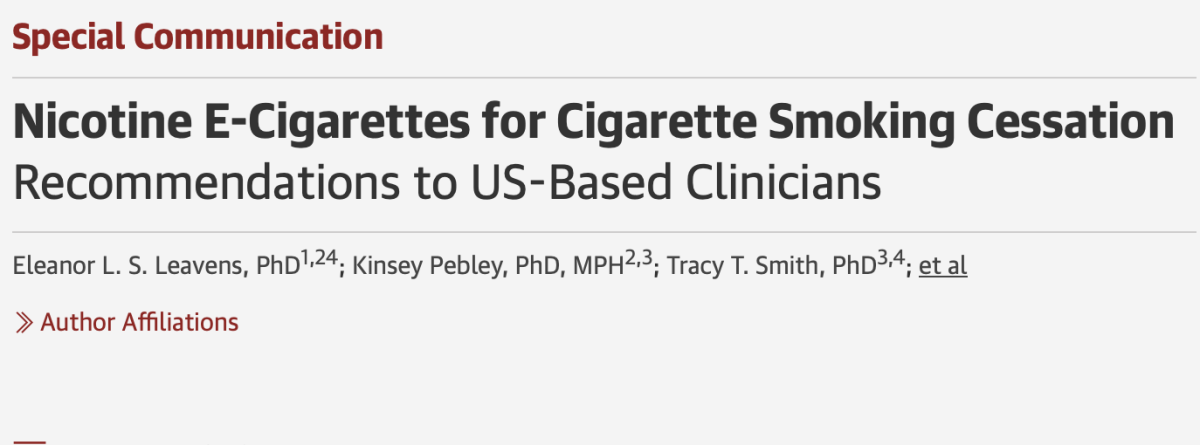
Science | International Experts Propose a New Smoking Cessation Pathway, Citing Higher Quit Rates With E-Cigarettes Than Nicotine Replacement Therapy
A new expert paper in JAMA urges U.S. clinicians to include nicotine e-cigarettes in smoking-cessation discussions, citing higher quit rates than nicotine replacement therapy. It also stresses that products must deliver enough nicotine to replace cigarettes, dual use should be brief, and complete switching is the goal. 2Firsts argues the recommendations matter beyond clinics: public-health professionals should reassess relative risk, regulators should preserve sufficient product appeal for adult smokers, and manufacturers should focus on helping users quit cigarettes more sustainably.
SCIENCE
Aug.03 by 2Firsts Perspectives
India Steps Up Nicotine Pouch Enforcement as ZYN, White Fox Circulate and Drug Panel Urges Halt to New Nicotine Formulations
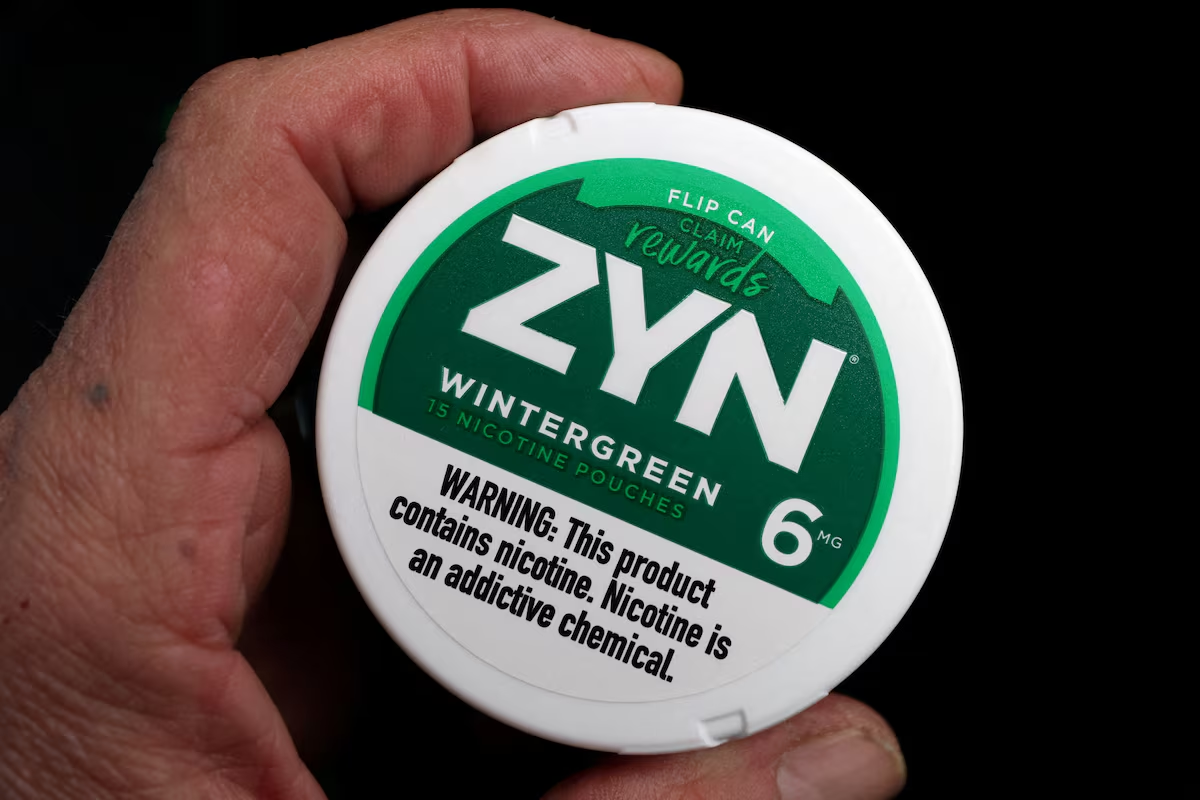
India's Ministry of Health and Family Welfare has directed states to step up enforcement against nicotine pouch sales, citing increased availability through online and offline channels and concern about nicotine exposure among children. Reuters reported that international brands including ZYN and White Fox are being sold in India. A study led by ICMR-NICPR found pouches in seven of 10 surveyed locations and identified 68 brands and 445 flavors online. Separately, India's Drugs Technical Advisory Board recommended in August that no new nicotine formulation be approved.
Regulations
Sep.28 by 2Firsts Perspectives
PMI Global Communications Chief Moira Gilchrist: Why AI Matters More Than Ever in the Smoke-Free Transition
Philip Morris International (PMI) Chief Global Communications Officer Moira Gilchrist said artificial intelligence is changing how companies understand audiences, manage owned information channels and communicate business transformation. PMI is using AI-generated audience personas to test messaging while optimizing its corporate website and other owned channels for large language models. As PMI continues its transition from cigarettes toward smoke-free products, Gilchrist said owned data and corporate channels are becoming increasingly important in demonstrating the scale of that transformation.
Aug.26