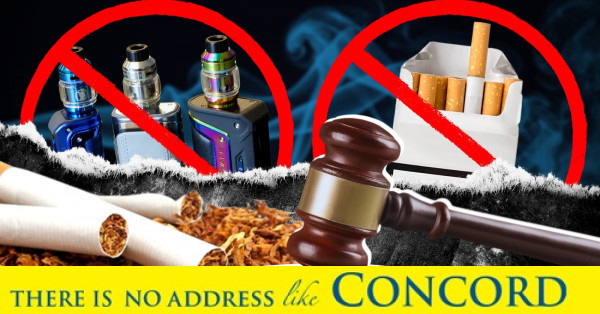
According to TBS News on October 23rd, the interim government of Bangladesh plans to implement a strict tobacco control regulation that will ban the sales of e-cigarettes, vaping products, loose cigarettes, bidis, and chewing tobacco.
Sources familiar with the matter stated that the 2024 Tobacco Control Act, which includes these provisions, will be presented for approval at the Advisory Committee meeting on October 24th.
ABM Zubair, Executive Director of the non-profit organization PROGGA, stated that 161,000 people die each year due to tobacco use, and hopes that if the proposal is passed, it could reduce such deaths.
However, tobacco giants British American Tobacco Bangladesh (BAT) and Japan Tobacco International (JTI) have both written letters to the interim government opposing this proposal. On October 21, Syed Afzal Hossain, Secretary and Legal Advisor of British American Tobacco Bangladesh (BAT), wrote a letter to Financial Advisor Dr. Salehuddin Ahmed.
The letter points out that some provisions in the draft law are unenforceable and do not take into account the overall situation of the country. Even if the government successfully passes this law, it may face challenges in its implementation. The company called the proposed legislation "impractical" and suggested that the draft should be revised based on feedback from stakeholders.
The specific content of the draft is as follows:
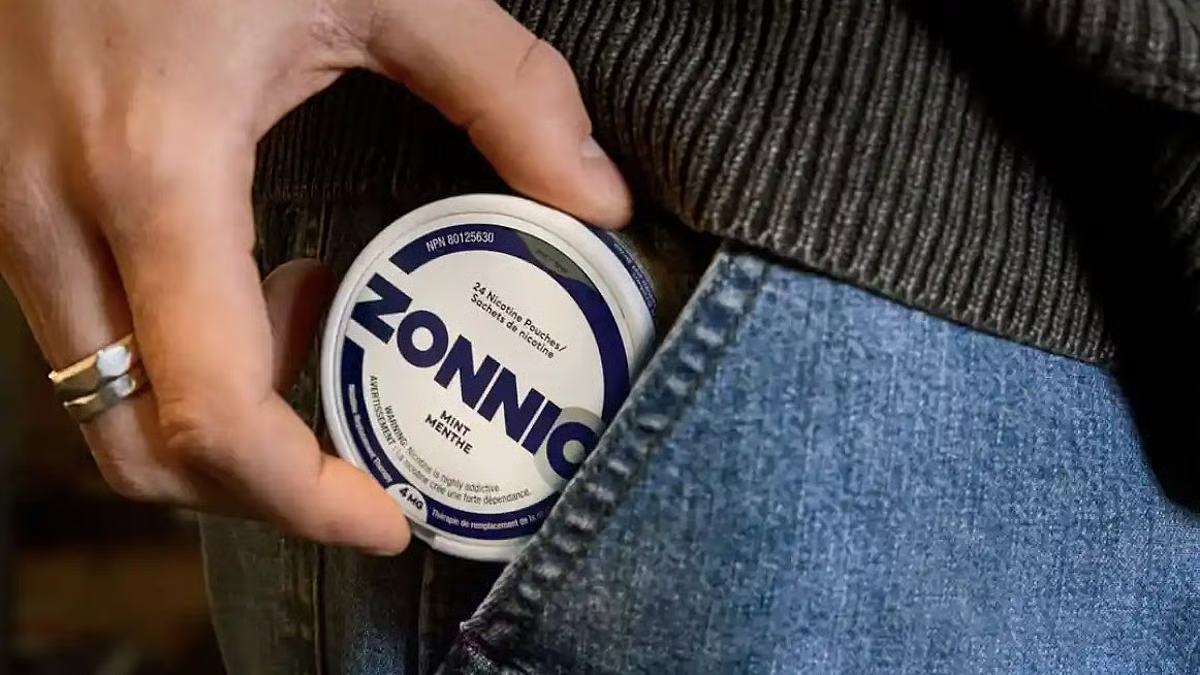
Smoking and the use of tobacco products are prohibited in public places, including tea stalls, coffee shops, and restaurants. The current fine for smoking in public places is 300 takas ($2.5), but a proposed bill aims to increase this to 1000 takas ($8.4). Merchants selling tobacco products must apply for a license, and violators will face fines of up to 50,000 takas ($420). Smoking and the use of tobacco products will also be prohibited in non-motorized vehicles such as rickshaws. Currently, films and TV shows featuring smoking scenes must display a "Smoking is harmful to health" warning. If the bill passes, such content will be banned from TV, radio, and online media. Tobacco product packaging must be covered, with violators facing fines of 500,000 takas (approximately $4200). Repeat offenders will face double fines. Tobacco products cannot be sold at mobile stalls or by street vendors. The sale of tobacco products is strictly prohibited within 100 meters of schools, hospitals, sports venues, and children's parks. First-time offenders will be fined 5,000 takas ($42), while repeat offenders will face double fines. No sweeteners, flavors, fragrances, or colors are allowed in tobacco products, with violators facing up to six months in prison, a fine of 500,000 takas ($4200), or both. Anyone selling loose cigarettes will be fined 5,000 takas ($42), while those selling e-cigarettes and vaping products will face similar fines. E-cigarettes and related products are banned. No one is allowed to manufacture, import, export, store, advertise, or sell electronic nicotine delivery systems, heat-not-burn tobacco products (HTP), or nicotine pouches, except for those prescribed by registered doctors. The manufacturing, importation, or sale of bidi cigarettes is illegal, with violators facing fines of up to 200,000 takas ($1680) or three months imprisonment. Companies violating these regulations may have their licenses revoked, face suspension of financial transactions, or be fined.
The government of Bangladesh first introduced the Smoking and Tobacco Products Usage (Control) Act in 2005, with revisions made in 2013. In 2020, the previous government initiated further amendments to strengthen regulations on the use of cigarettes and tobacco products. In June 2022, the Ministry of Health posted a draft of the revised law on its website for stakeholders to provide feedback.
We welcome news tips, article submissions, interview requests, or comments on this piece.
Please contact us at info@2firsts.com, or reach out to Alan Zhao, CEO of 2Firsts, on LinkedIn
Notice
1. This article is intended solely for professional research purposes related to industry, technology, and policy. Any references to brands or products are made purely for objective description and do not constitute any form of endorsement, recommendation, or promotion by 2Firsts.
2. The use of nicotine-containing products — including, but not limited to, cigarettes, e-cigarettes, nicotine pouchand heated tobacco products — carries significant health risks. Users are responsible for complying with all applicable laws and regulations in their respective jurisdictions.
3. This article is not intended to serve as the basis for any investment decisions or financial advice. 2Firsts assumes no direct or indirect liability for any inaccuracies or errors in the content.
4. Access to this article is strictly prohibited for individuals below the legal age in their jurisdiction.
Copyright
This article is either an original work created by 2Firsts or a reproduction from third-party sources with proper attribution. All copyrights and usage rights belong to 2Firsts or the original content provider. Unauthorized reproduction, distribution, or any other form of unauthorized use by any individual or organization is strictly prohibited. Violators will be held legally accountable.
For copyright-related inquiries, please contact: info@2firsts.com
AI Assistance Disclaimer
This article may have been enhanced using AI tools to improve translation and editorial efficiency. However, due to technical limitations, inaccuracies may occur. Readers are encouraged to refer to the cited sources for the most accurate information.
We welcome any corrections or feedback. Please contact us at: info@2firsts.com