BAT Considering Sale of Partial Stake in Indian ITC Company

BAT by 2FIRSTS.ai
Mar.12.2024
BAT Considering Sale of Partial Stake in Indian ITC Company
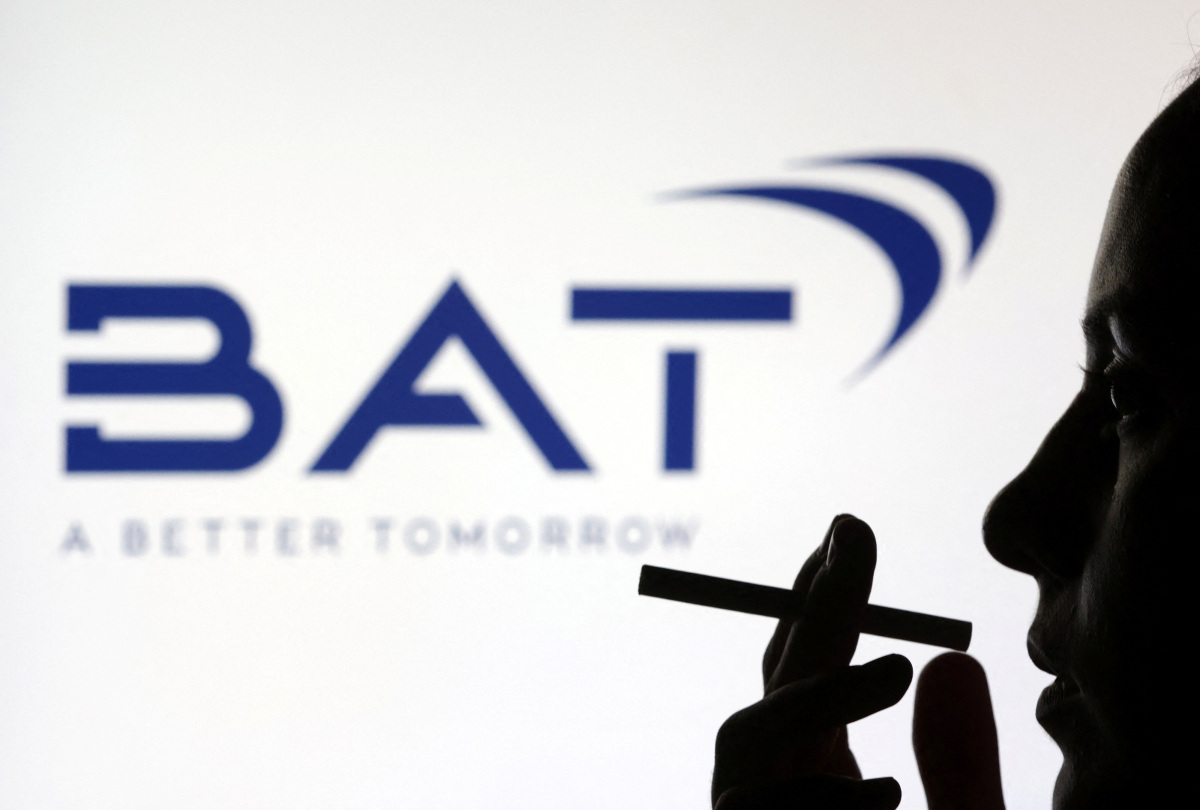
British American Tobacco (BAT) is considering selling a "small portion" of its stake in Indian company ITC through block trades.

According to a report from Reuters on March 11th, British American Tobacco (BAT) stated it is assessing the possibility of selling a "small portion" of its stake in Indian company ITC through on-market bulk trading.


The British American Tobacco company announced in February that it is actively working to reduce its stake in the Kolkata-based company by approximately 29%. When the UK company decided to abandon its new buyback plan last year to focus on investing in new products, investors were disappointed, leading to a decline in its stock price.


This equity sale will enable BAT to pay off debt and reach the leverage range required for stock buybacks more quickly. BAT has been in negotiations with Bank of America and Citigroup about the possibility of withdrawing 2 to 3 billion dollars worth of ITC stock through block trades.


In addition, Bloomberg cited sources as saying that the sale of shares could potentially begin as early as this week.


According to reports, ITC is one of India's largest diversified companies, with business operations spanning sectors such as cigarettes, alcohol, hotels, agriculture, information technology, and consumer goods. ITC has a significant influence in India's business industry and also maintains a presence in international markets.


During last month's earnings conference call, British American Tobacco CEO Tadeu Marroco told investors that the cigarette giant aims to maintain a certain level of influence in ITC and would need to hold 25% of the shares in order to have veto power.


We welcome news tips, article submissions, interview requests, or comments on this piece.

Please contact us at info@2firsts.com, or reach out to Alan Zhao, CEO of 2Firsts, on LinkedIn


Notice

1.  This article is intended solely for professional research purposes related to industry, technology, and policy. Any references to brands or products are made purely for objective description and do not constitute any form of endorsement, recommendation, or promotion by 2Firsts.

2.  The use of nicotine-containing products — including, but not limited to, cigarettes, e-cigarettes, nicotine pouchand heated tobacco products — carries significant health risks. Users are responsible for complying with all applicable laws and regulations in their respective jurisdictions.

3.  This article is not intended to serve as the basis for any investment decisions or financial advice. 2Firsts assumes no direct or indirect liability for any inaccuracies or errors in the content.

4.  Access to this article is strictly prohibited for individuals below the legal age in their jurisdiction.


Copyright


This article is either an original work created by 2Firsts or a reproduction from third-party sources with proper attribution. All copyrights and usage rights belong to 2Firsts or the original content provider. Unauthorized reproduction, distribution, or any other form of unauthorized use by any individual or organization is strictly prohibited. Violators will be held legally accountable.

For copyright-related inquiries, please contact: info@2firsts.com


AI Assistance Disclaimer


This article may have been enhanced using AI tools to improve translation and editorial efficiency. However, due to technical limitations, inaccuracies may occur. Readers are encouraged to refer to the cited sources for the most accurate information.

We welcome any corrections or feedback. Please contact us at: info@2firsts.com

South Korea Vape Strategies Diverge as BAT Reconsiders Exit and PMI Takes VEEV to About 14,000 Stores
BAT Rothmans says it previously considered exiting South Korea's vaping market because of competitive pressure from unregulated products, but is now reassessing conditions following changes to the country's nicotine regulatory framework. Vuse and other BAT vaping products remain available through existing distribution channels. The statement followed a South Korean media report that interpreted BAT's broader withdrawal from selected Vapour markets as a full exit from South Korea. Meanwhile, Philip Morris International launched VEEV inPRIME in the country in June and began expanding distribution to around 14,000 convenience stores and other retail channels in July. The contrasting moves highlight differing investment strategies as South Korea's regulated vaping market evolves.
Aug.14
BAT Calls for Retailer Input in Future Nicotine Regulations
British American Tobacco (BAT) has called for stronger retailer involvement in shaping future nicotine product regulations in the UK, arguing that frontline market feedback should be considered during policy development. BAT said retailers provide direct insight into consumer behavior, market changes and regulatory implementation challenges. The comments come as the UK nicotine market undergoes regulatory changes, including the disposable vape ban, Vaping Products Duty and efforts to address illicit vape sales.
Jul.29
WIRED Investigation: Chinese-Made Vapes Turn to 6-Methyl-Nicotine and Other Analogs, Challenging U.S. Regulation
U.S. technology and investigative publication WIRED has examined how nicotine analogs are emerging as a new challenge for the country’s vape regulatory framework. The article argues that after the U.S. expanded federal oversight of nicotine products in 2022, some manufacturers began using nicotine-like compounds such as 6-methyl-nicotine that may fall outside existing definitions. Researchers cited by WIRED said some nicotine analogs could be more potent than traditional nicotine, although human health impacts remain unclear. U.S. policymakers are considering broader definitions of nicotine to bring these compounds under federal oversight.
Jul.27
Product | YOOZ Launches Waker Electronic Shisha Device, Expanding Vape Applications Beyond Portable Devices
YOOZ has introduced the Waker Electronic Shisha device, expanding its vaping portfolio into the electronic shisha category. The device combines a rechargeable hardware platform with dedicated cartridges, featuring a 4,000mAh battery, up to 60W output power, and LED lighting effects. The product has appeared across multiple French retail channels, reflecting the continued expansion of vaping products into new consumption scenarios.
Jul.13
Product | Summo 150K Introduces Refillable Design With Up to 150,000 Puffs, Exploring a New High-Capacity Vape Format
Summo has introduced the Summo 150K Refillable Disposable Vape, entering the ultra-high-puff vape segment with a claimed capacity of up to 150,000 puffs. The device combines a 40ml dual e-liquid system, transparent tank design, dual mesh coils and a 900mAh rechargeable battery, using a refillable structure to differentiate itself from conventional disposable vapes. The product appeared on overseas online retail channels including Vapesourcing and VapeBarTime between late June and early July 2026.
Jul.22
UK Disposable Vape Ban Marks One Year as Adult Use Falls to 8% and Youth Use to 13%
One year after the UK ban on single-use disposable vapes took effect, YouGov data commissioned by Action on Smoking and Health shows that 13% of 11-17-year-old vapers and 8% of adult vapers now mainly use disposable products.
Jun.18