Belgium Eyes Stricter Penalties as 70% of Retailers Break Tobacco Sales Ban

Nov.19.2024
Belgium Eyes Stricter Penalties as 70% of Retailers Break Tobacco Sales Ban
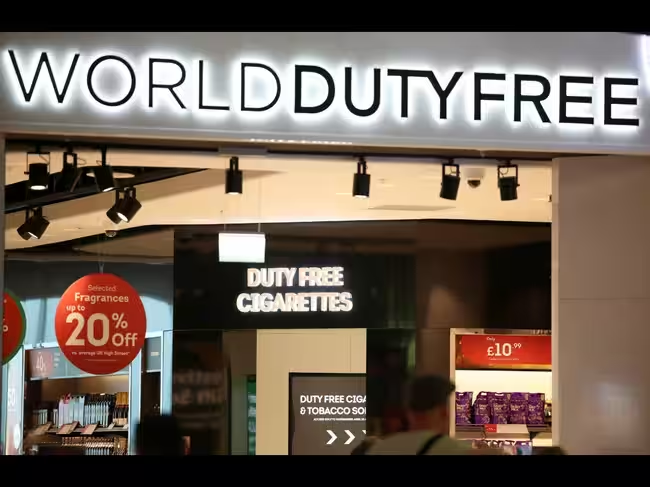
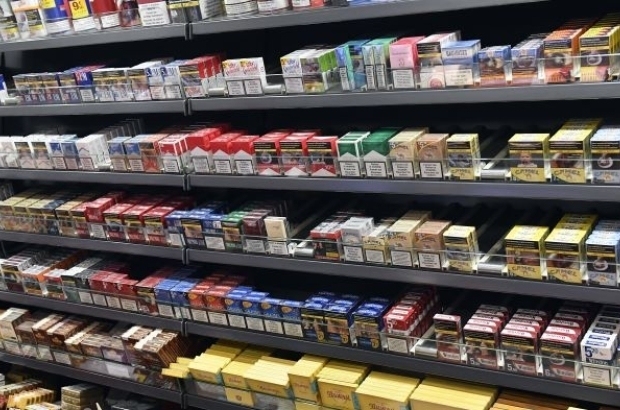
Belgium is considering stricter penalties, including shop closures after data showed 70% of retailers violated the ban on selling tobacco products to minors.

Recent data from the Belgian government reveals that over 70% of businesses in Belgium have violated the ban on selling cigarettes to minors (under 18) during recent spot operations, the Bulletin reported on November 18.


In response to these findings, the government is considering harsher measures, including the closure of shops found in violation.


Since November 2019, Belgium has raised the minimum age for purchasing tobacco products from 16 to 18. However, many retailers still fail to ask young buyers for identification.


Last year, many retailers were found violating the law, and this year's numbers remain equally concerning. The data, requested by CD&V Member of Parliament Els van Hoof through a written parliamentary question, was provided by Health Minister Frank Vandenbroucke (Vooruit).


"In the pursuit of a smoke-free generation, this legislation must be effectively enforced, so that smoking becomes less accessible and attractive to minors, Frank Vandenbroucke said.


The inspections involved minors, often students, acting as "mystery shoppers" to test compliance by attempting to purchase products such as cigarettes, e-cigarettes, tobacco, and nicotine pouches. 


Of the 1,100 checks conducted, sellers violated the ban in 782 cases, accounting for 71%, meaning over two-thirds of retailers continue to sell tobacco products to minors.


Violation rates varied across regions. In Brussels, 53.5% of traders were caught selling to under-18s, though fewer inspections were conducted there. In Flanders, 68% of traders failed compliance in 469 checks, while in Wallonia, 76.5% failed in over 226 checks. 


Van Hoof urged Health Minister Frank Vandenbroucke to continue the mystery shopper system, to which his cabinet replied it was "the obvious thing to do".

 

ZYN ULTRA Expands Haypp’s U.S. E-Commerce Lineup With 9 mg Pouches
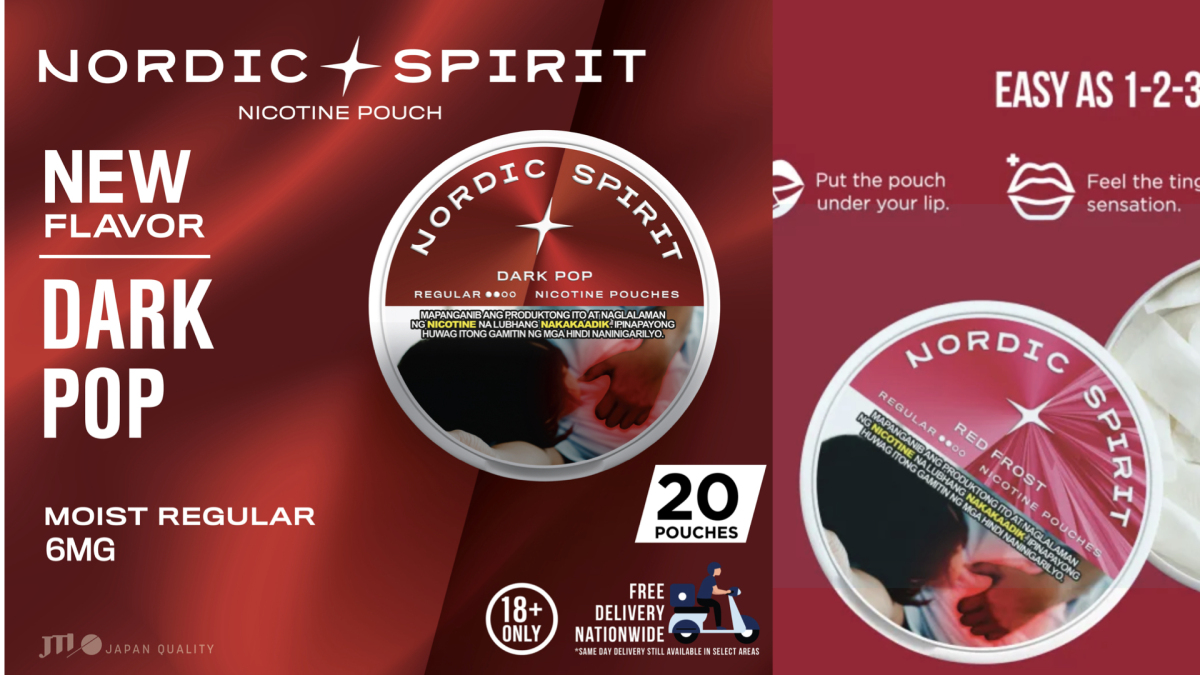
Haypp Group said ZYN ULTRA became available nationwide in the United States on June 15 through its e-commerce platforms Nicokick.com and Northerner.com for verified adult nicotine consumers.
Jun.17
UK HMRC Plans 30,000 Retail Enforcement Actions as Illegal Tobacco and Vape Sellers Face Tougher Crackdown
The UK government has announced that HM Revenue & Customs (HMRC) will carry out more than 30,000 interventions targeting businesses and retail premises during the 2026-2027 financial year. The actions will focus on tax fraud, illegal goods sales and businesses involved in unlawful activities through retail channels. The government said illegal tobacco and illegal vape sales remain areas of concern. The move shows that UK enforcement against illegal nicotine products is expanding from import and supply channels toward retail-level oversight, alongside the upcoming introduction of the Vaping Products Duty.
Jul.24
South Korea Vape Strategies Diverge as BAT Reconsiders Exit and PMI Takes VEEV to About 14,000 Stores
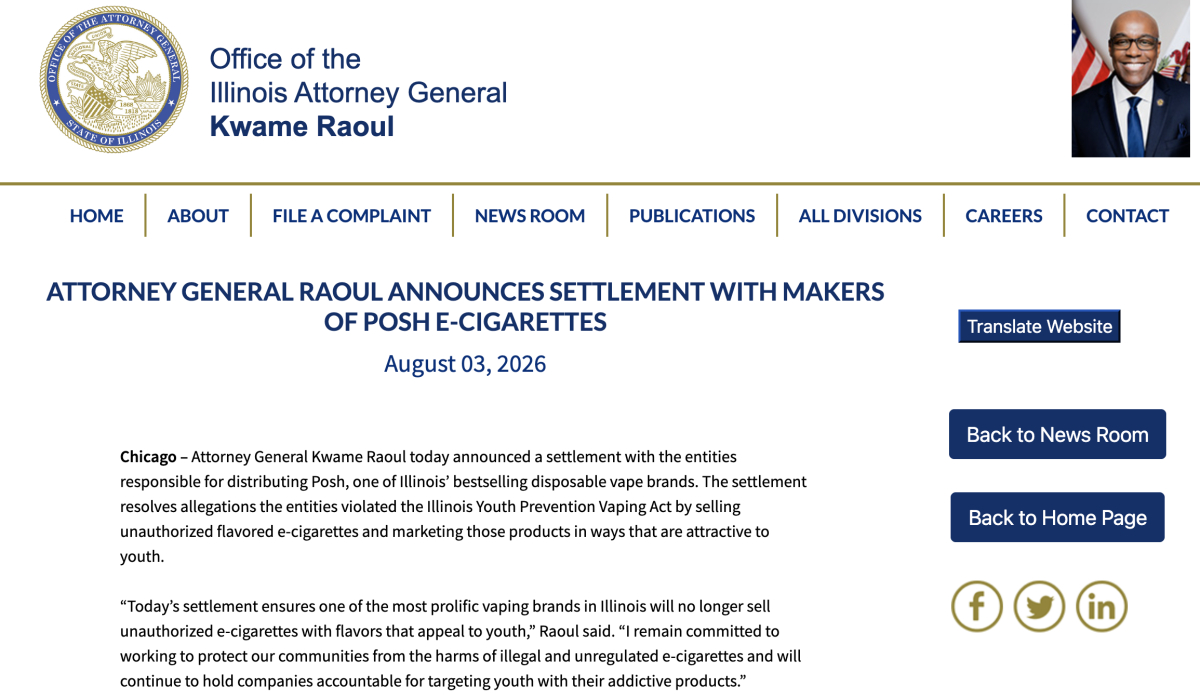
BAT Rothmans says it previously considered exiting South Korea's vaping market because of competitive pressure from unregulated products, but is now reassessing conditions following changes to the country's nicotine regulatory framework. Vuse and other BAT vaping products remain available through existing distribution channels. The statement followed a South Korean media report that interpreted BAT's broader withdrawal from selected Vapour markets as a full exit from South Korea. Meanwhile, Philip Morris International launched VEEV inPRIME in the country in June and began expanding distribution to around 14,000 convenience stores and other retail channels in July. The contrasting moves highlight differing investment strategies as South Korea's regulated vaping market evolves.
Aug.14
InterTabac 2026: First conference program highlights now available online
With three months to go before the international tobacco and nicotine industry gathers again in Dortmund, InterTabac, together with NUBIZ and InterSupply, is set to bring around 800 exhibitors from across the globe to eleven exhibition halls. The three events will showcase innovation, market trends and industry networking, while the first conference program highlights are now online, offering trade visitors keynotes, panel discussions and masterclasses to support business decision-making.
Events
Jun.22
Altria Smokeable Profit Rises 2.4% as Marlboro Share Falls and U.S. Discounts Gain
Altria’s second-quarter results show a U.S. nicotine market splitting across price, product and regulation. Smokeable profit rose 2.4% as Marlboro pricing offset lower volumes, while discount brand Basic gained share among value-conscious smokers. In oral nicotine, on! PLUS expanded distribution but faced intensifying competition from ZYN and Velo. NJOY remained off the market as patent and regulatory hurdles delayed its return. The broader lesson: U.S. growth increasingly depends on price-tier strategy, retail execution, authorisation and enforcement readiness across the industry.
Special Report
Jul.31
Science | International Experts Propose a New Smoking Cessation Pathway, Citing Higher Quit Rates With E-Cigarettes Than Nicotine Replacement Therapy
A new expert paper in JAMA urges U.S. clinicians to include nicotine e-cigarettes in smoking-cessation discussions, citing higher quit rates than nicotine replacement therapy. It also stresses that products must deliver enough nicotine to replace cigarettes, dual use should be brief, and complete switching is the goal. 2Firsts argues the recommendations matter beyond clinics: public-health professionals should reassess relative risk, regulators should preserve sufficient product appeal for adult smokers, and manufacturers should focus on helping users quit cigarettes more sustainably.
SCIENCE
Aug.03 by 2Firsts Perspectives