According to a report from the Brazilian Health Regulatory Agency (Anvisa) on April 19th, the decision was made to maintain the ban on e-cigarettes within the country. The ban, which has been in effect since 2009, will continue to be enforced nationwide, including prohibiting the sale, manufacture, import, transport, storage, and advertising of e-cigarette products. The ban was upheld by a unanimous vote from the five board members.
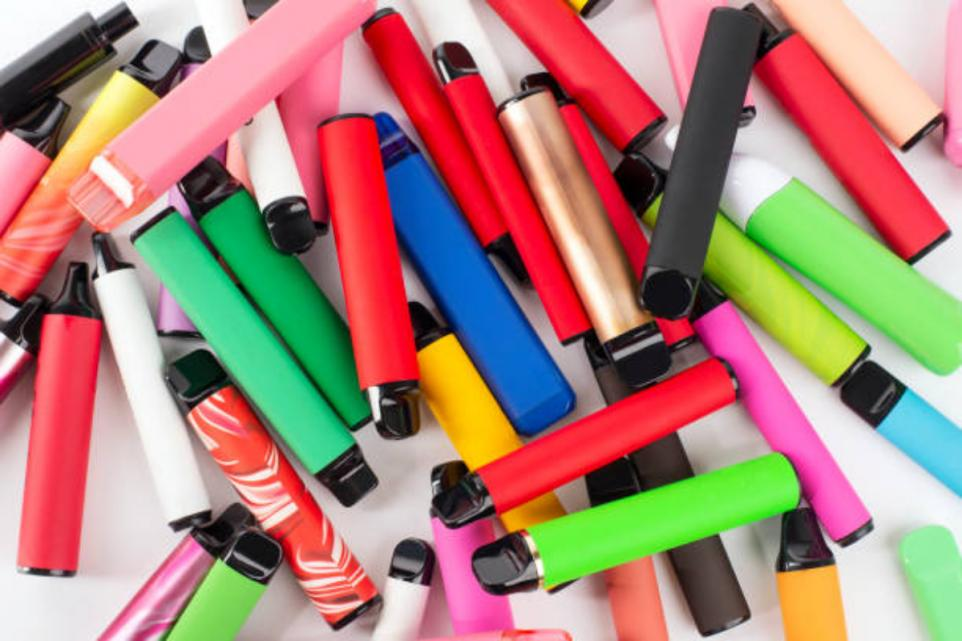
These smoking devices, also known as vaporizers (vape), e-cigarettes (e-ciggy), e-pipes, e-cigars, and heat-not-burn devices, are collectively referred to as e-cigarettes. Anvisa has announced that the importation of these products in any form is prohibited, including for personal use or by travelers carrying them on their person.
According to the Brazilian Health Regulatory Agency, although regulations do not specifically address personal use, it is prohibited to use these devices in enclosed public spaces. Violators will be considered in violation of health regulations and may face penalties such as warnings, bans, confiscation, and fines. Data from the "Covitel 2023" survey on risk factors for chronic non-communicable diseases during the pandemic shows that despite lack of authorization for sale, 4 million people in Brazil have already used e-cigarettes.
The President of Anvisa and the author of the report, Antonio Barra Torres, voted in favor of continuing the ban on these devices. He stated, "The issue we are addressing involves not only the health effects we have been dealing with, but also issues related to production, sales, storage, transportation, etc., all concerning the production of a product. Through this vote, we are recording our decision to maintain the prohibition.
Barra Torres solicited the opinions of 32 scientific associations in Brazil, as well as the ministries of health, justice, public security, and finance. He mentioned the public consultations that took place from December 2023 to February of this year, although the arguments presented did not change the evidence approved by the council in 2022.
In his report, Bara Torres cited documents from the World Health Organization (WHO) and the European Union (EU), as well as the Belgian government's decision to ban the sale of all heated tobacco products that contain additives to alter the taste and smell. He mentioned that this week, the UK passed a law prohibiting individuals under the age of 15, born after January 1, 2009, from purchasing cigarettes.
He also mentioned that the Federal agency of the United States Department of Health and Human Services, the Food and Drug Administration (FDA), has stated that despite regulations, these products still engage in illegal trading.
During the meeting of the Anvisa board, videos from individuals and businesses from 80 different countries were shown, presenting various arguments both for and against the continued ban on e-cigarette devices in Brazil.
Most arguments in support of maintaining the ban relate to harm to public health. Adriana Blanco, Secretary of the National Committee for the Implementation of the Global Tobacco Control Framework and its Protocol (Coniq) of the World Health Organization (OMS), expressed concern about the strategic marketing of the tobacco industry in countries that allow the consumption of these products, especially the increase in consumption among young people.
Several arguments have been presented regarding the ban, calling for Anvisa and the companies selling the products to establish regulations. It is pointed out that this would reduce harm to regular smokers, crack down on the sale of illegally irregular products without toxicological control and origin.
Both e-cigarettes and traditional tobacco pose health risks and should not be consumed. People need to understand the risks associated with using electronic smoking devices. Former smoker Alexandre Carlos Vicentini shared his testimony of becoming addicted to the product. "Aside from the various colors and flavors, the worst part is the nicotine content in these devices. It was very easy for me to get addicted.
While the use of e-cigarettes is banned in Brazil, authorities have emphasized the importance of continued use of the devices. Despite the ban on sales, illegal products can still be purchased through online channels, legitimate businesses, and even street vendors.
We welcome news tips, article submissions, interview requests, or comments on this piece.
Please contact us at info@2firsts.com, or reach out to Alan Zhao, CEO of 2Firsts, on LinkedIn
Notice
1. This article is intended solely for professional research purposes related to industry, technology, and policy. Any references to brands or products are made purely for objective description and do not constitute any form of endorsement, recommendation, or promotion by 2Firsts.
2. The use of nicotine-containing products — including, but not limited to, cigarettes, e-cigarettes, nicotine pouchand heated tobacco products — carries significant health risks. Users are responsible for complying with all applicable laws and regulations in their respective jurisdictions.
3. This article is not intended to serve as the basis for any investment decisions or financial advice. 2Firsts assumes no direct or indirect liability for any inaccuracies or errors in the content.
4. Access to this article is strictly prohibited for individuals below the legal age in their jurisdiction.
Copyright
This article is either an original work created by 2Firsts or a reproduction from third-party sources with proper attribution. All copyrights and usage rights belong to 2Firsts or the original content provider. Unauthorized reproduction, distribution, or any other form of unauthorized use by any individual or organization is strictly prohibited. Violators will be held legally accountable.
For copyright-related inquiries, please contact: info@2firsts.com
AI Assistance Disclaimer
This article may have been enhanced using AI tools to improve translation and editorial efficiency. However, due to technical limitations, inaccuracies may occur. Readers are encouraged to refer to the cited sources for the most accurate information.
We welcome any corrections or feedback. Please contact us at: info@2firsts.com