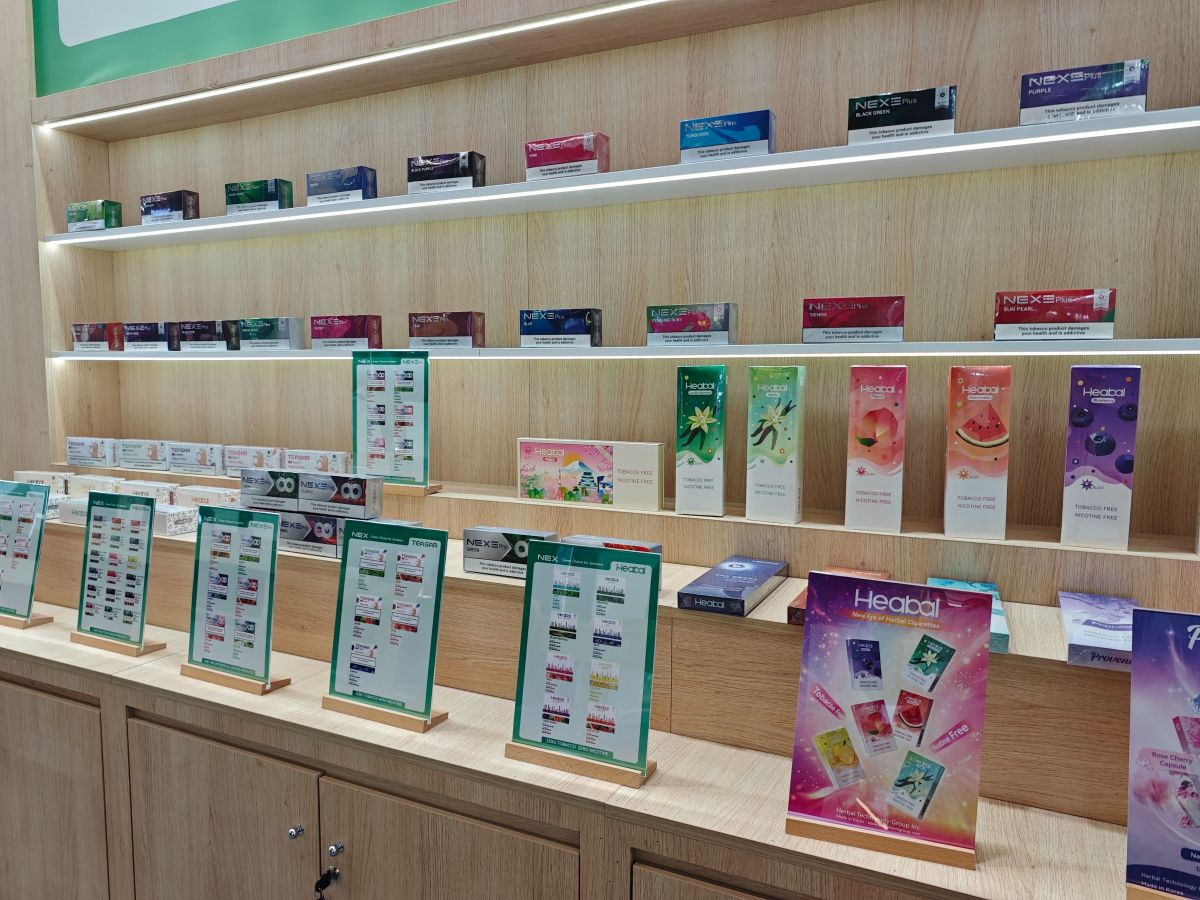
According to a report by Pakistani media outlet The Nation on January 30th, the public health department in Peshawar city, Khyber Pakhtunkhwa province, has called for a permanent ban on the sale and use of e-cigarettes and e-cigarette devices in the province. This move aims to safeguard public health and promote sustainable tobacco control.
Haroon Saleem, the Deputy Commissioner of the Peshawar Department of Health, hosted a seminar that garnered active participation from the Department of Health, Tobacco Control Center, government officials, healthcare experts, civil society organizations, media, and other stakeholders.
Participants unanimously agreed that comprehensive regulations should be implemented in the Khyber Pakhtunkhwa province, permanently banning the sale and storage of e-cigarettes and e-cigarette devices. They demanded that all deputy commissioners in the Khyber Pakhtunkhwa province strictly enforce a complete prohibition on selling e-cigarettes to individuals under the age of 21, and also prohibit the sale and storage of these products within a 50-meter radius of educational institutions.
Haroon Salem expressed his views, stating, "The regional government and provincial government remain strongly committed to protecting our citizens from the harmful effects of tobacco and nicotine. We will take all necessary actions to enforce this ban and safeguard public health.
Coordinator Sana Ahmad stressed the importance of comprehensive legislation. "It is crucial to develop laws that encompass the views of all stakeholders. This will ensure that the laws we implement are effective, inclusive, and dedicated to the well-being of our community.
Public health expert Mian Ateeq, representing the Alliance for Sustainable Tobacco and Nicotine Control, added that the ban on e-cigarettes and e-cigarette devices is a crucial step towards public health safety.
We welcome news tips, article submissions, interview requests, or comments on this piece.
Please contact us at info@2firsts.com, or reach out to Alan Zhao, CEO of 2Firsts, on LinkedIn
Notice
1. This article is intended solely for professional research purposes related to industry, technology, and policy. Any references to brands or products are made purely for objective description and do not constitute any form of endorsement, recommendation, or promotion by 2Firsts.
2. The use of nicotine-containing products — including, but not limited to, cigarettes, e-cigarettes, nicotine pouchand heated tobacco products — carries significant health risks. Users are responsible for complying with all applicable laws and regulations in their respective jurisdictions.
3. This article is not intended to serve as the basis for any investment decisions or financial advice. 2Firsts assumes no direct or indirect liability for any inaccuracies or errors in the content.
4. Access to this article is strictly prohibited for individuals below the legal age in their jurisdiction.
Copyright
This article is either an original work created by 2Firsts or a reproduction from third-party sources with proper attribution. All copyrights and usage rights belong to 2Firsts or the original content provider. Unauthorized reproduction, distribution, or any other form of unauthorized use by any individual or organization is strictly prohibited. Violators will be held legally accountable.
For copyright-related inquiries, please contact: info@2firsts.com
AI Assistance Disclaimer
This article may have been enhanced using AI tools to improve translation and editorial efficiency. However, due to technical limitations, inaccuracies may occur. Readers are encouraged to refer to the cited sources for the most accurate information.
We welcome any corrections or feedback. Please contact us at: info@2firsts.com