Editor’s Note:Imperial Tobacco Canada, mentioned in this report, is not affiliated with Imperial Brands. It is a wholly-owned subsidiary of British American Tobacco (BAT), and all tobacco-related sales, brand operations, and distribution activities in Canada are carried out as part of the BAT Group.
Key Points
- Nicotine pouches entered the Canadian market around 2020 with no approval requirements, no prohibition, and no age restriction.
- A 2020 federal memo classified them as drugs but still did not restrict sales to minors.
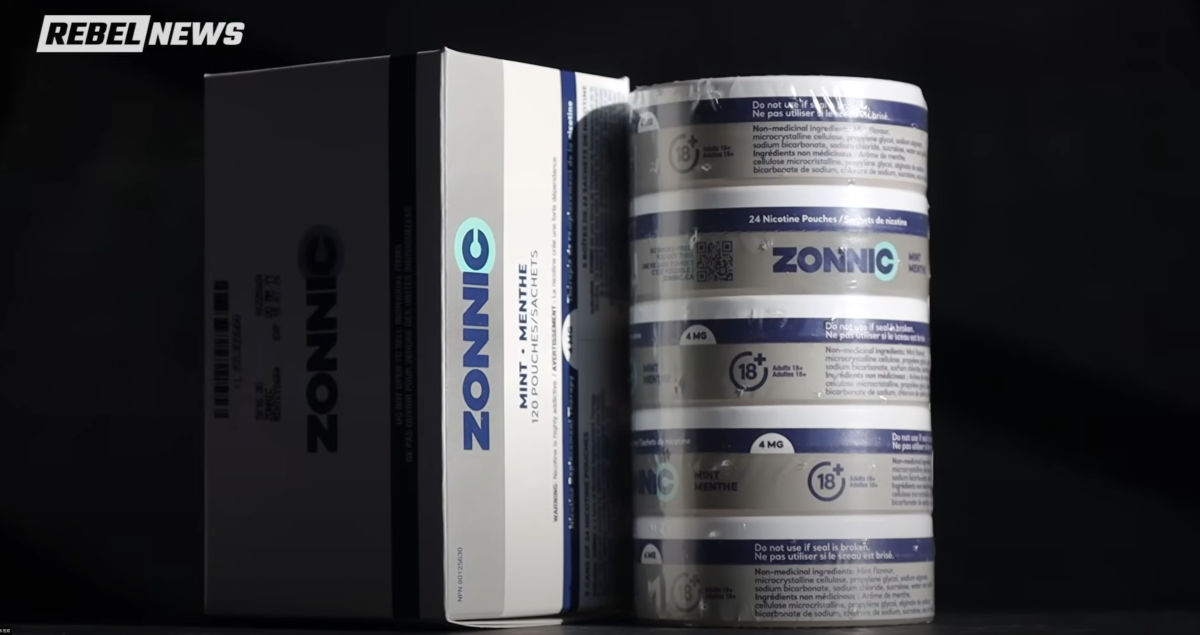
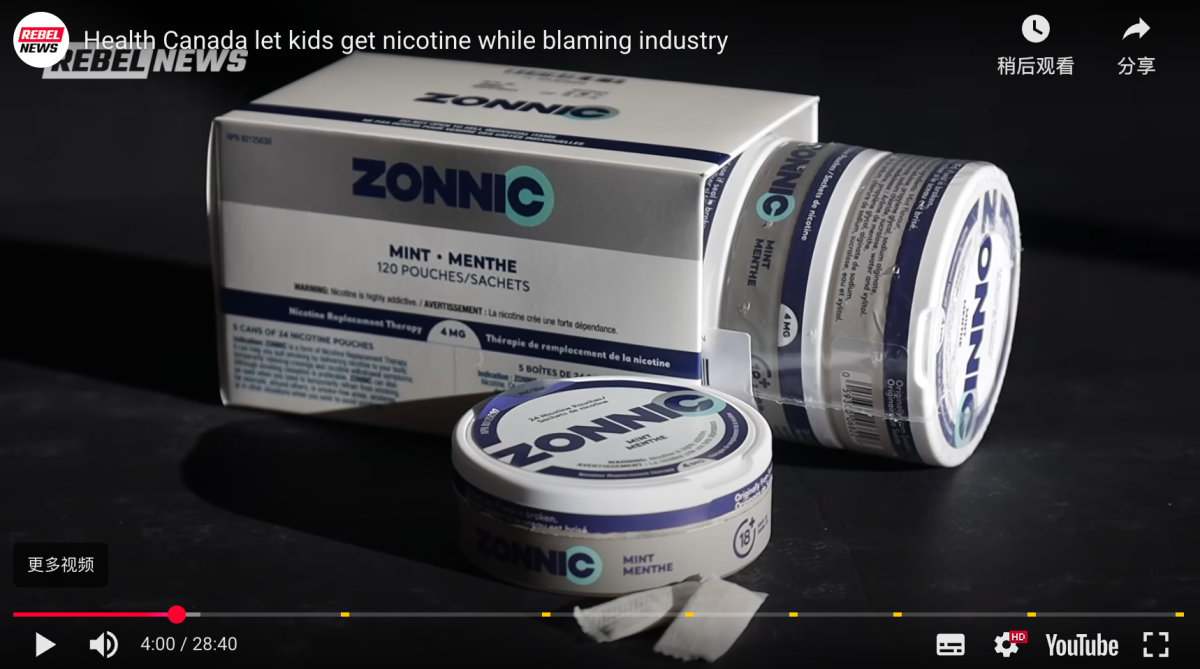
- ZONNIC, produced by Imperial Tobacco Canada, was approved in 2023 and became the only nicotine pouch legally sold on the open market.
- The Health Minister accused companies of “exploiting loopholes” and issued new rules in 2024 limiting flavors to mint and requiring pharmacy-only sales, though still without a legal age ban.
- Retailers report they cannot sell nicotine pouches legally while black-market products continue to circulate.
2Firsts,December 2, 2025——Canadian media outlet Rebel News released a roughly 30-minute video examining the regulatory status of nicotine pouches in Canada, their market availability, and the full approval process of ZONNIC, a product sold by Imperial Tobacco Canada, a BAT subsidiary. The report covers youth access, regulatory gaps, black-market distribution, retailer observations, and company responses.
Below is a summary organized by 2Firsts based on the video.
1. Entry of Nicotine Pouches into Canada and Early Regulatory Conditions
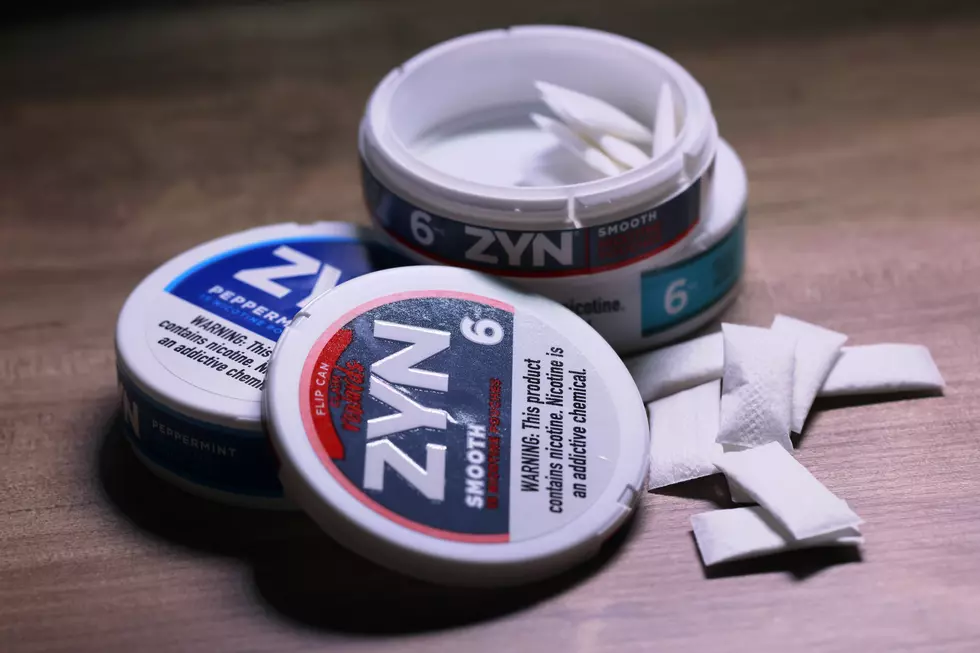
According to the video, nicotine pouches contain nicotine but no tobacco and are used by placing them under the upper lip. Health risks were not yet fully understood, though some smokers used them as alternatives.
Around 2020, nicotine pouches entered Canada through imports and online channels, featuring various flavors, nicotine strengths, and packaging styles. At that time, they were neither authorized nor prohibited, and there was no legal age restriction.
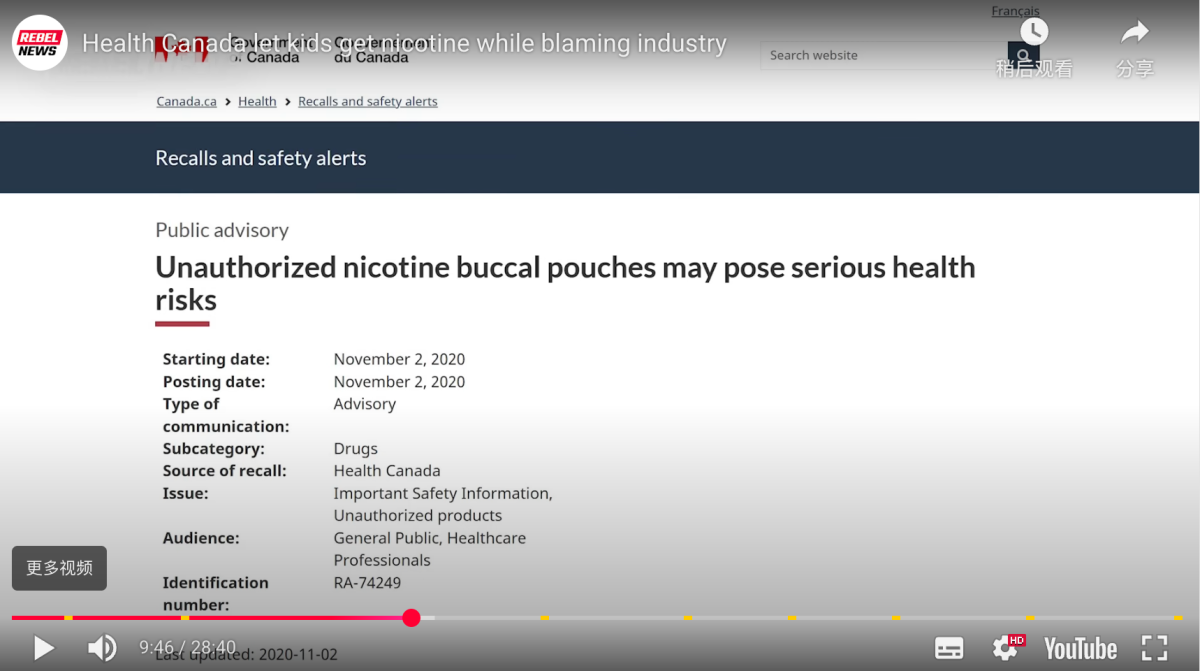
A federal memo issued in November 2020 classified nicotine pouches as drugs:
- Under 4 mg: could be classified as Natural Health Products (NHPs)
- Above 4 mg: could fall under prescription drug requirements
- Health risks had not yet been assessed
The video notes that even after this memo, no prohibition on sales to minors was implemented.
2. ZONNIC Approved in 2023, Becomes the Only Legally Marketed Product
The video reports that Imperial Tobacco Canada submitted its application around 2021.
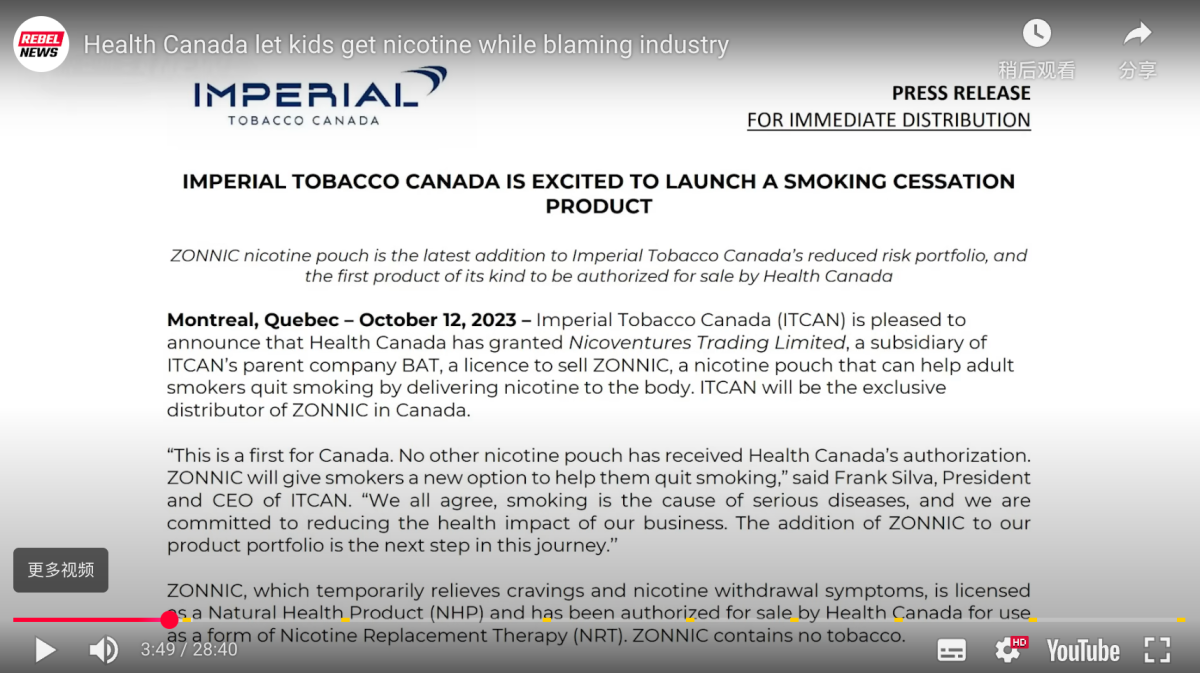
In October 2023, Health Canada granted approval for ZONNIC (4 mg) to be marketed as a Nicotine Replacement Therapy (NRT).
Several health groups simultaneously called for stricter controls on flavors, packaging, nicotine levels, and retail channels, emphasizing ease of youth access.
3. Health Minister’s Public Criticism and the 2024 Supplementary Rules
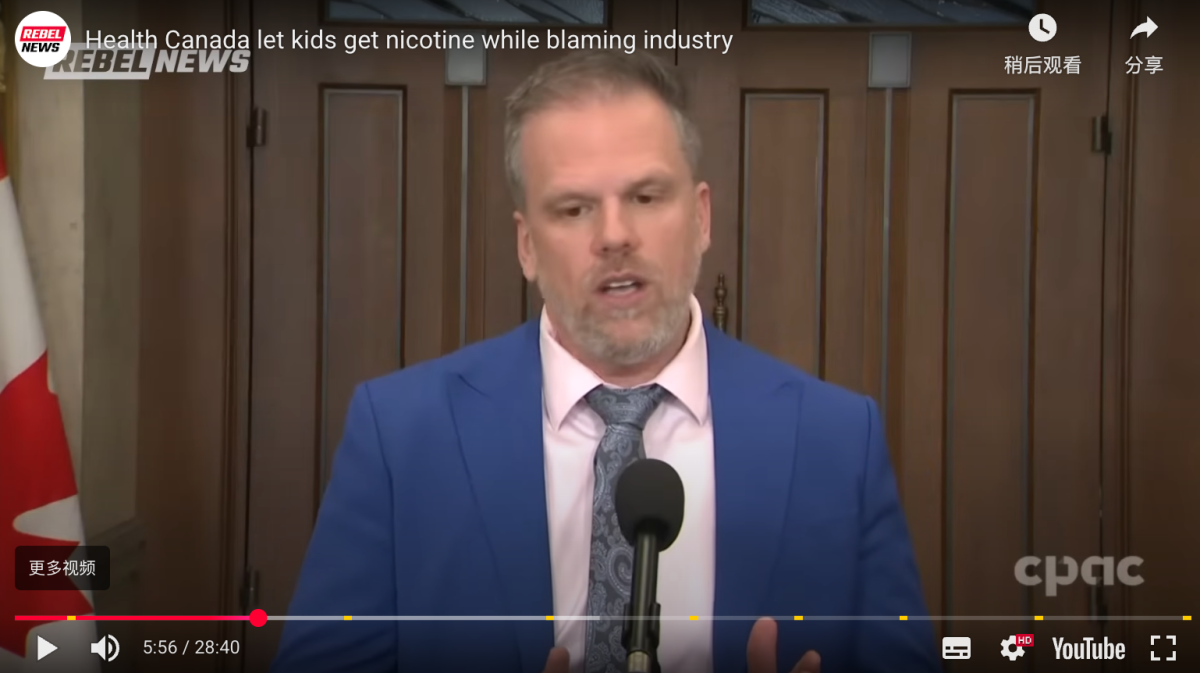
The video presents several statements by then–Health Minister Mark Holland, including:
- Allegations that companies used flavors and packaging appealing to youth
- Claims that companies were “using loopholes” to get products approved
- Several forceful remarks demanding companies “stay away from kids”
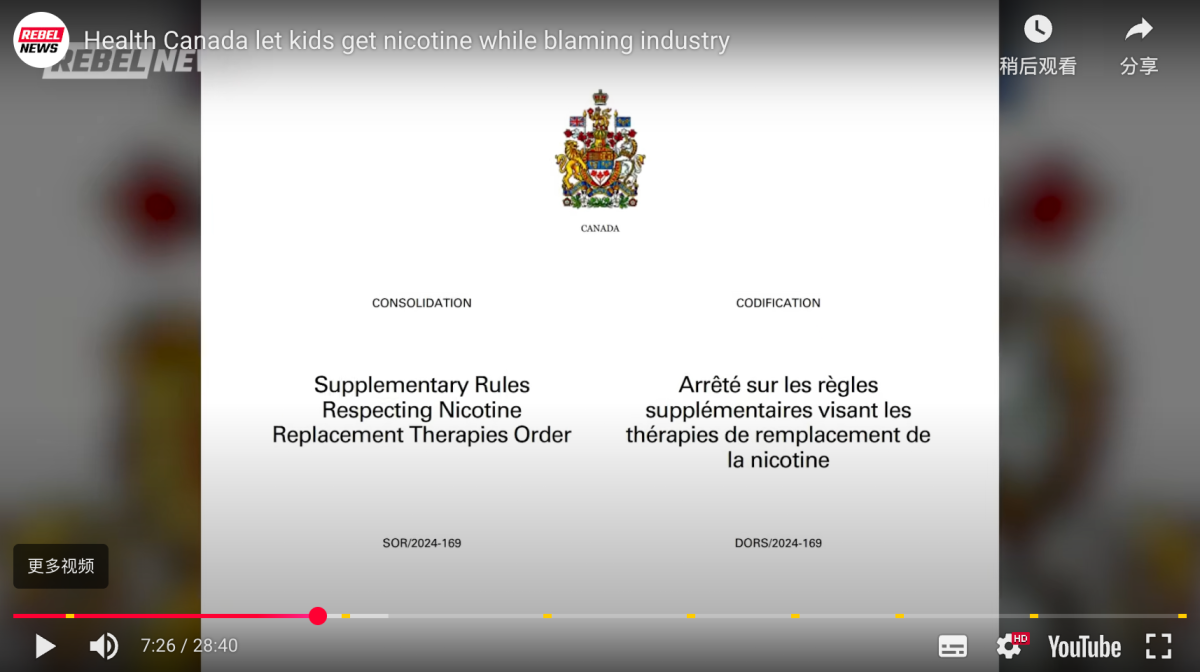
In 2024, the Minister issued Supplementary Rules on Nicotine Replacement Therapies, which included:
- Required NRT-specific labeling
- Prohibition of brand elements considered appealing to youth
- Only mint flavor permitted
- Pharmacy-only or pharmacist-supervised sales; no self-selection
- Mandatory “18+” labeling
- Still no legal prohibition on selling to minors
4. Company Response: Approval Process and Market Context
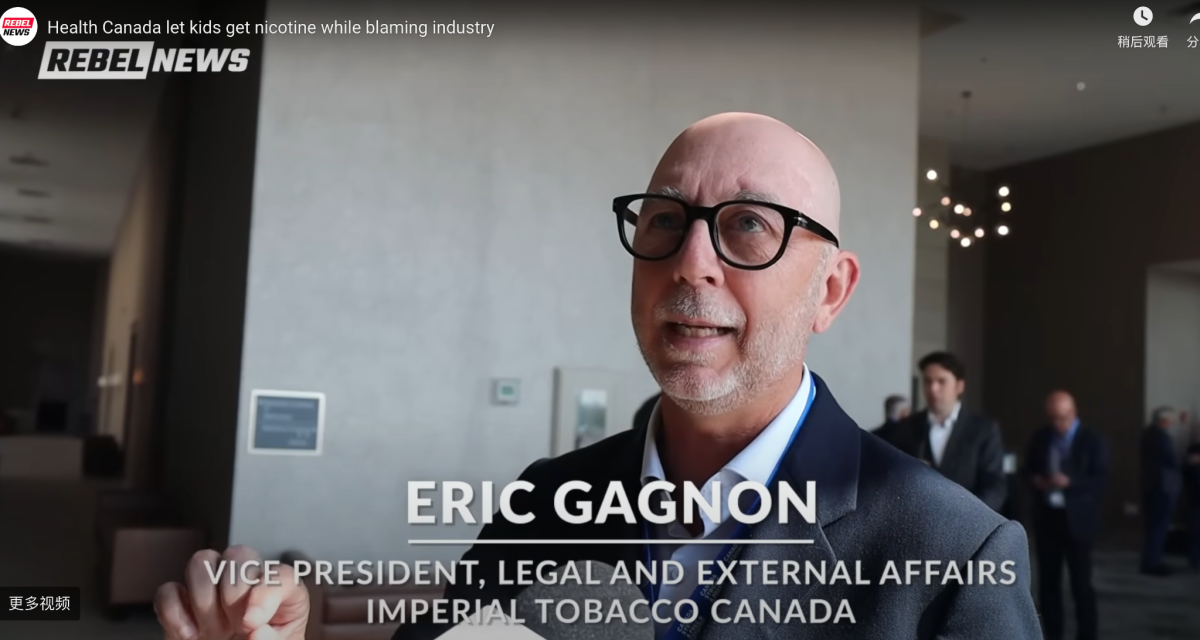
In the interview, Imperial Tobacco Canada’s VP of Corporate and Regulatory Affairs responded to several points:
(1) Approval Process
The product went through a two-year review, consistent with other NRTs.
(2) On the “loophole” accusation
He stated packaging and flavoring complied with NRT requirements and that the company followed the formal approval pathway.
(3) User Feedback
The company had received feedback from adult smokers reporting that ZONNIC assisted them in quitting.
(4) Number of Legal Products
He confirmed that ZONNIC was the only nicotine pouch legally sold at the time and noted that another pouch product had been approved but not yet launched.
(5) Cigarette Sales Changes
The video shows that some stores experienced declining cigarette sales before the new rules, followed by increases afterward.
5. Retailer Feedback, Black-Market Activity, and Tax-Stamp Issues
Interviews with vape shop and cigar shop owners highlighted:
- Retailers cannot legally sell nicotine pouches despite strong customer demand
- ID checks are performed for consumers who appear under 30
- Vape shops face strict limits on signage, displays, and advertising
- Retailers reported unclear responses from Health Canada regarding regulatory questions
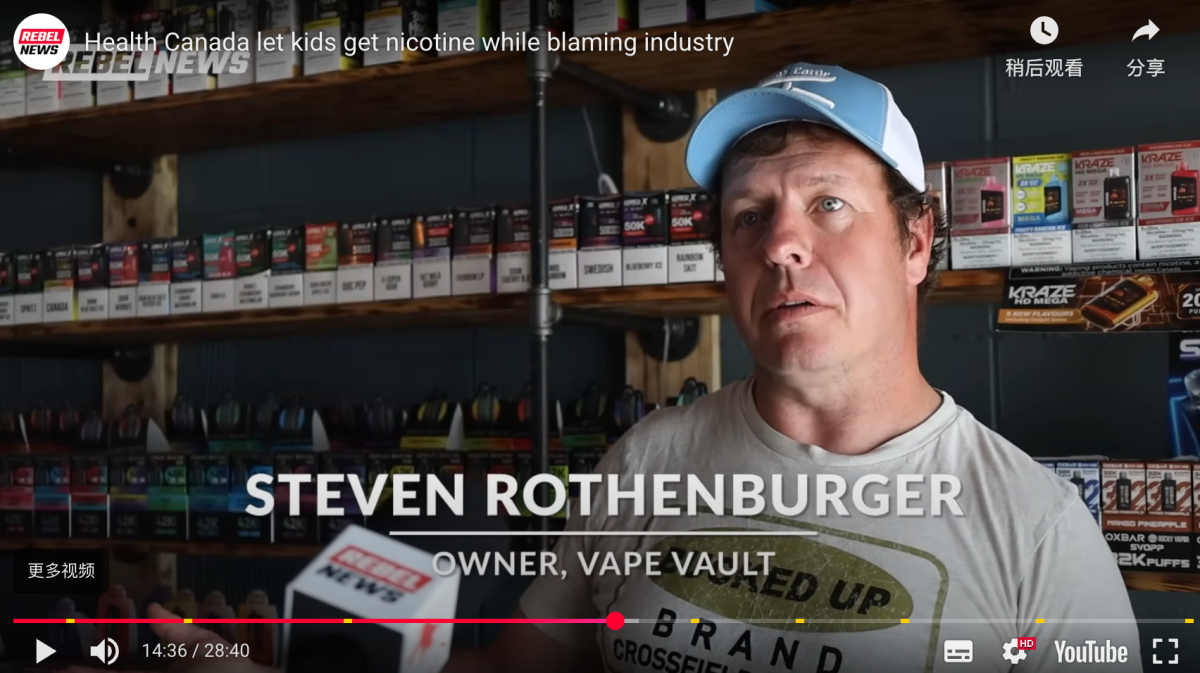
The video also shows that unauthorized pouches continued circulating online and through informal channels, sometimes with higher nicotine levels or counterfeit packaging.
In Alberta, the introduction of a provincial tax stamp in addition to the federal stamp forced retailers to clear older inventory. One retailer reported disposing of CAD 11,650.75 worth of products, and had heard of other stores incurring even larger losses.
The video concludes by noting that Health Canada had not responded to media inquiries and mentions an online petition.
We welcome news tips, article submissions, interview requests, or comments on this piece.
Please contact us at info@2firsts.com, or reach out to Alan Zhao, CEO of 2Firsts, on LinkedIn
Notice
1. This article is intended solely for professional research purposes related to industry, technology, and policy. Any references to brands or products are made purely for objective description and do not constitute any form of endorsement, recommendation, or promotion by 2Firsts.
2. The use of nicotine-containing products — including, but not limited to, cigarettes, e-cigarettes, nicotine pouchand heated tobacco products — carries significant health risks. Users are responsible for complying with all applicable laws and regulations in their respective jurisdictions.
3. This article is not intended to serve as the basis for any investment decisions or financial advice. 2Firsts assumes no direct or indirect liability for any inaccuracies or errors in the content.
4. Access to this article is strictly prohibited for individuals below the legal age in their jurisdiction.
Copyright
This article is either an original work created by 2Firsts or a reproduction from third-party sources with proper attribution. All copyrights and usage rights belong to 2Firsts or the original content provider. Unauthorized reproduction, distribution, or any other form of unauthorized use by any individual or organization is strictly prohibited. Violators will be held legally accountable.
For copyright-related inquiries, please contact: info@2firsts.com
AI Assistance Disclaimer
This article may have been enhanced using AI tools to improve translation and editorial efficiency. However, due to technical limitations, inaccuracies may occur. Readers are encouraged to refer to the cited sources for the most accurate information.
We welcome any corrections or feedback. Please contact us at: info@2firsts.com