Special Statement:
This article is for internal research and communication within the industry only and does not recommend any brands, products, or investments.
Minors are prohibited from accessing.
Global Annual Brand Article Series 2023
Compliance Era: Russia's 2024 Vape Market Outlook
-- What changes compliance policies may bring to the market?
What preparations new brands entering the market should make?
2FIRSTS
The year 2023 has proven to be a significant year for the e-cigarette market in Russia.
According to data from the General Administration of Customs of China, the export value of e-cigarettes to Russia from January to November decreased by 4.3% to $440 million compared to the previous year, with the export volume dropping by 17.7% to 7,659 tons.
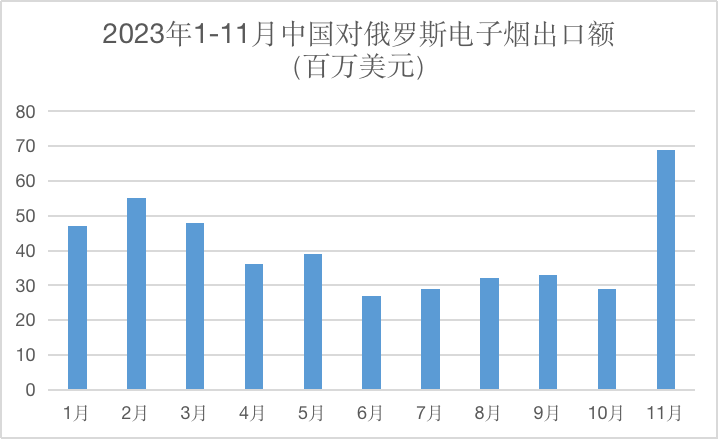
Clearly, the e-cigarette market in Russia has performed poorly this year.
There are reasons behind the slump: According to incomplete statistics, Russia has issued over 13 policies related to e-cigarettes this year, with 10 of them already formally implemented.
In the past, the e-cigarette market in Russia was largely unregulated, with a focus on gray imports. However, the introduction of a series of regulatory policies has made "compliance" the key word for 2023. This has also prompted e-cigarette companies to shift their attitude towards the Russian market from a cautious wait-and-see approach to a more cautious and careful approach.
2023 can be considered as the "year of regulation" for the e-cigarette market in Russia. What changes took place in the Russian market during this year? And what new developments can we expect in the future? 2FIRSTS aims to provide a retrospective analysis of this unique market through our observations.
Honest Label Implemented as White Market Ratio Rises
On April 1st of this year, Russia officially implemented the "Honest Label" system for e-cigarettes, mandating the "traceability" of all e-cigarette products entering the country. This development signifies that the Russian e-cigarette market has officially entered the era of compliance.
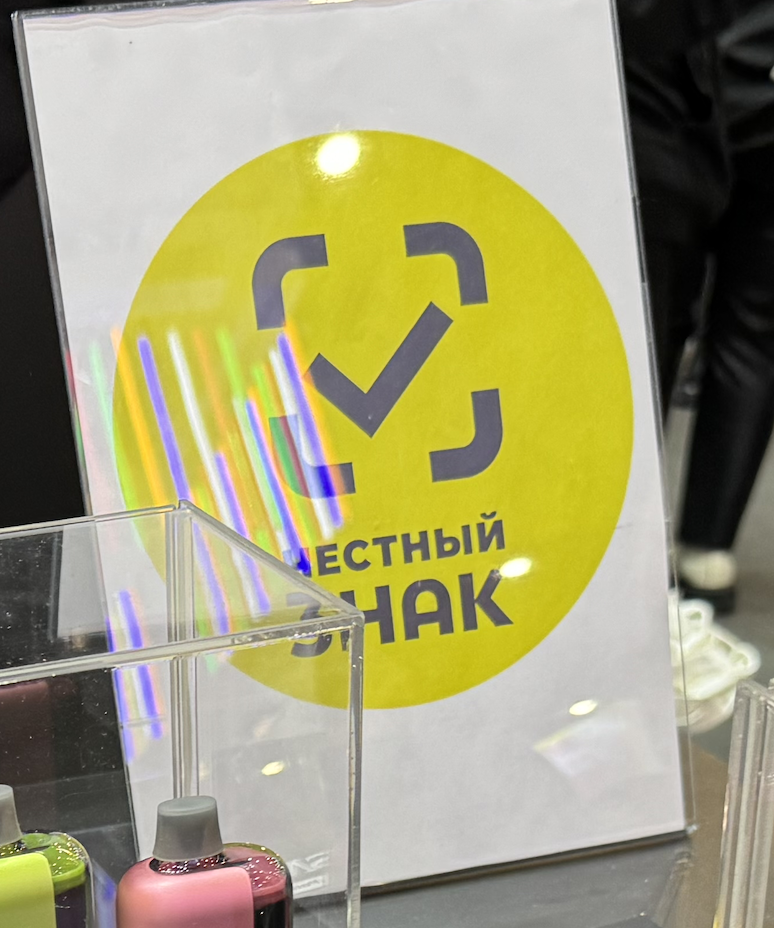
The implementation of the honest label has caused a major tremor in the Russian e-cigarette market, leading to a period of "chaos and confusion" in the Russian market.
Several sources familiar with the Russian e-cigarette market have revealed to 2FIRSTS that honest labeling has had a significant impact on local distributors. Specifically, many distributors are no longer accepting products without honest labels, resulting in a significant decrease in purchasing volume.
According to data, China's e-cigarette exports to Russia were only $35.52 million in April, a 26% decrease compared to the previous period. Subsequently, the trade of e-cigarettes between China and Russia remained sluggish until it experienced a explosive growth in November.
The e-cigarette market in Russia, although generally underperforming, the market share in Bai Guan City is continuously expanding.
The Advanced Technology Development Center (CRPT) of the Honest Label System states that the label has successfully reduced the growth of the black market for disposable e-cigarettes and e-liquid. This process will continue, leading to a significant transformation of the market towards compliance.
During the international industrial exhibition "Innoprom. Central Asia" held on April 25th, Deputy Minister Ekaterina Priezzheva of the Russian Federation's Ministry of Industry and Trade announced that the number of legally operating tobacco sales points in Russia has increased by 5% to reach 246,000.
On November 21st, Wang Juncheng, the General Manager of E-Speed Clearance, a local customs clearance company in Russia, informed 2FIRSTS that the majority of retailers, chain supermarkets, and distributors in the Russian e-cigarette market only accept compliant products. While some stores may sell both compliant and non-compliant products, the shelf rate for compliant products is gradually increasing, with a minimum share of 50%.
Licensing System may Accelerate "Matthew Effect"
Moving from a state of non-compliance to compliance, from a gray area to a white area, requires a slow and even arduous process, especially for a global market of such magnitude as Russia.
According to an investigation by 2FIRSTS, one significant factor contributing to the high proportion of gray market products in Russia is the complexity of compliance procedures. Hence, with the enforcement of compliance regulations in Russia, businesses are required to allocate more time and incur additional costs, posing even greater challenges for small and medium-sized brands.
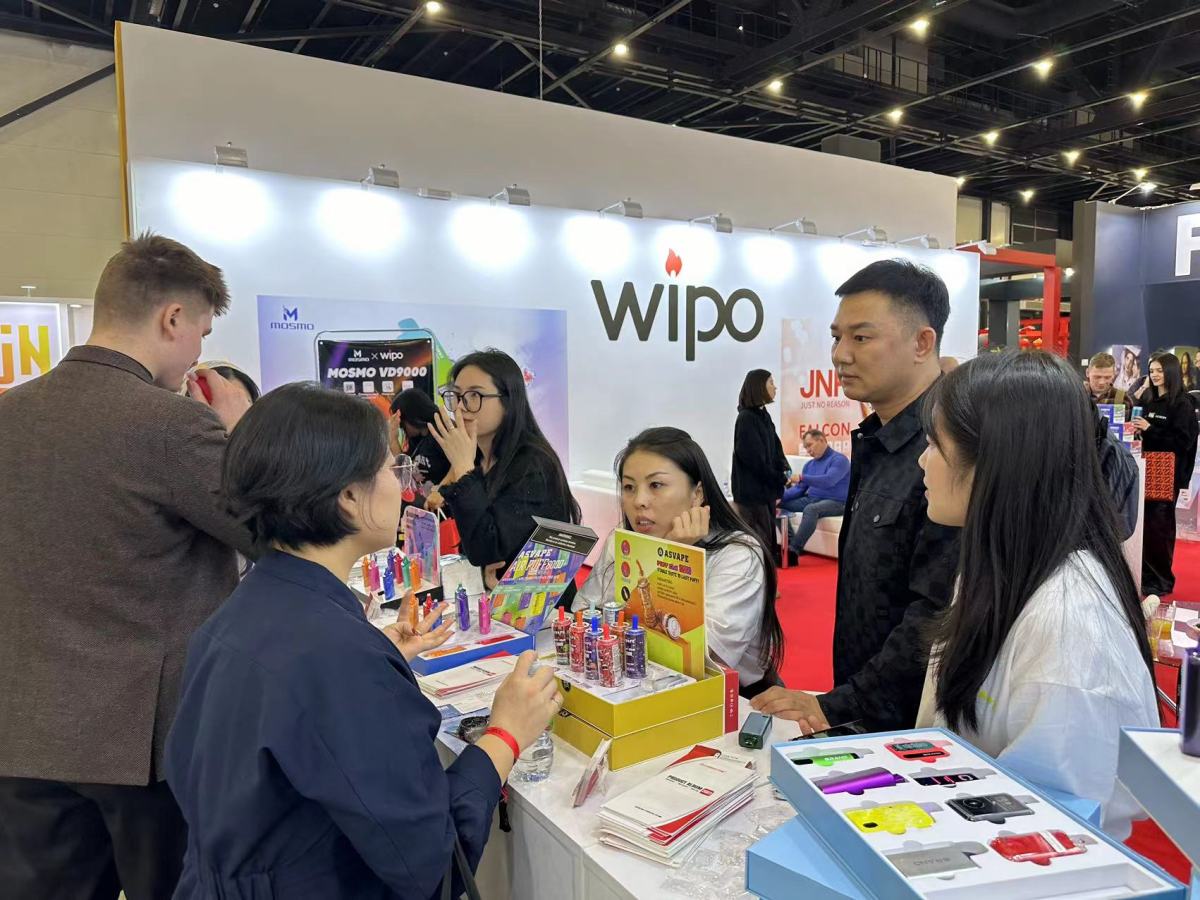
Sun Hairui, an employee of the e-cigarette brand WIPO, expressed to 2FIRSTS that the first batch of white customs clearance goods took three months to complete due to the cumbersome procedures and documents required by the Russian compliance process. "There may already be many new products in iteration while we are still dealing with procedures," Sun Hairui said helplessly.
A senior practitioner in the e-cigarette industry in Russia has told 2FIRSTS that since the implementation of a comprehensive set of policies, it has become increasingly challenging for vape products to enter the local market and logistics have become significantly more difficult. Moreover, due to the considerable difficulties in completing compliance procedures, many small brands have chosen to abandon the Russian market and instead focus on expanding into neighboring countries.
In addition, Russia plans to implement a licensing system for the production, storage, and distribution of tobacco and nicotine-containing products in March next year. By then, companies without a license will be unable to access the local market.
Several experts who have been closely observing the e-cigarette market in Russia believe that the introduction of licensing system will bring about a new wave of significant changes in the Russian market.
Russia's well-known local e-cigarette brand, BRUSKO, has expressed concerns to 2FIRSTS that the implementation of licensing regulations will likely cause 25% to 30% of e-cigarette stores to be unable to withstand the pressure of rising costs and subsequently exit the market.
In the future, it is possible that there may be a concentration of top brands and the forced withdrawal of smaller brands from both the brand and retail sides of the market.
However, according to Puffmi's regional sales leader in Russia, Yin Songyu, he believes that the Russian market will gradually stabilize from March to May next year, and small and medium-sized enterprises will gradually adapt and find new paths for development.
Dual-Mesh-Coil, Large-Puff, Large-Screen Products Prevail
Despite a sluggish performance and gloomy prospects in the overall Russian market in 2023, there have still been new products entering the market, injecting some vitality into an otherwise lackluster industry.
During the VAPE CLUB SHOW, held on December 16th to 17th in 2023, 2FIRSTS discovered that the majority of exhibitors showcased e-cigarettes equipped with screens (screen-displaying e-cigarettes). A staff member at the YOVO booth, a prominent e-cigarette brand, candidly stated, "E-cigarettes without screens simply do not sell in the Russian market."
Russian consumers also prefer e-cigarettes with larger puffs. Sun Hairui, the person in charge of the booth of e-cigarette brand WIPO, told 2FIRSTS that the Russian market this year favors products with larger puffs. He further explained that the previously mainstream e-cigarettes had puffs of 8000-10000, but now products with 10000-12000 puffs are more popular.
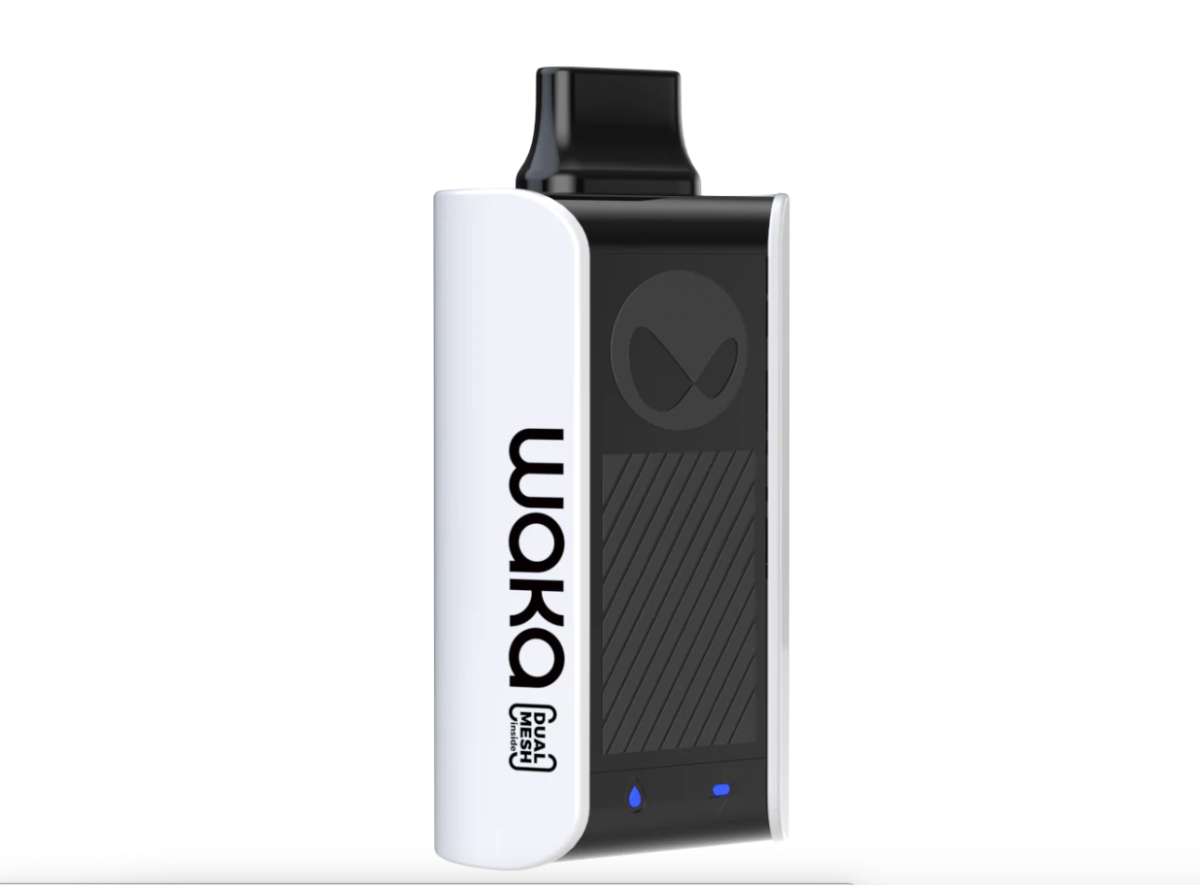
In addition to featuring screens and large pod capacities, most of the new products in the Russian market have adopted the "dual coil technology" (containing two heating wires), allowing users to freely switch between "single coil" and "dual coil" modes.
WAKA's product, the WAKA soPro PA10000, exemplifies these characteristics and has gained significant popularity in Russia. According to Sun Hairui, the product suddenly became a trend in Russia in May and June of this year, experiencing overwhelming demand.
The WAKA soPro PA10000 is one of the earliest products in the Russian market to adopt dual-coil technology.
Future Remains Uncertain, Manufacturers Remain Confident
Returning from product features to the market, the explosive growth in Sino-Russian e-cigarette trade in mid-November is evident, with data showing approximately $69.24 million worth of Chinese e-cigarettes exported to Russia, representing a month-on-month increase of 138.90%.
While this surge in trade in November has injected new confidence into the Russian market, questions remain about its sustainability. A professional familiar with the Russian e-cigarette market analyzed for 2FIRSTS that the November growth in Sino-Russian e-cigarette trade was primarily due to the seasonal stockpiling for Christmas and the upcoming Chinese New Year holidays, making it not necessarily indicative of long-term trends.
Some also believe that the sharp increase in e-cigarette trade in November may be attributed to a "temporary relaxation" of logistics supervision in Russia.
What lies ahead for Russian market?
Wang Juncheng stated that compliant products have higher value and tax fees, making large-scale transportation challenging compared to gray market products. Additionally, the procedures for applying honest labels for compliant products are relatively cumbersome, and ensuring compliant channels for logistics, distribution, and stores also requires a considerable amount of time. Therefore, preparing for the on-shelf placement of compliant products in the Russian market requires at least three months of adequate preparation.
According to 2FIRSTS, many e-cigarette brands are currently exploring and adapting to the compliant market in Russia, and once they adapt to the rules, the size of the compliant market is expected to continue expanding.
Some interviewees believe that the situation of the Russian e-cigarette market in 2024 is closely related to some pending regulatory policies.
For example, the once-shocking "additive ban." The ban was passed on April 11th of this year and was scheduled to announce the list of banned additives on September 1st. However, as of now, no official information about the ban has been released.
Government officials have not provided a formal explanation of this matter. However, some industry observers have stated that the formulation and publication of such a list of prohibitions require thorough research and evaluation of various components in the e-cigarette industry. In addition, there are reports that representatives from the Russian tobacco industry have expressed concerns and doubts, believing that the hasty implementation of the ban may have a significant impact on the market.
Some also believe that the rise and fall of the Russian e-cigarette market are also related to the ongoing Russia-Ukraine war. Sun Hairui stated that the ongoing war brings uncertainty to the overall market.
Evgenii Ivanov, the Russian distributor of the new brand YOVO, which has just entered the Russian market, also expressed uncertainty about the future of the Russian market.
Although there are many uncertainties, some companies remain confident in the Russian market. Staff from SKE, currently expanding into the Russian market, told 2FIRSTS that they will not easily give up on the Russian market. They believe that the Russian market is highly active, with a large consumer base, primarily consisting of young people, and possesses enormous potential.
The staff further stated that regulation is like a looming knife, inevitable but can't be avoided. Therefore, every effort must be made to overcome it and adapt to the changes in the market.
We welcome news tips, article submissions, interview requests, or comments on this piece.
Please contact us at info@2firsts.com, or reach out to Alan Zhao, CEO of 2Firsts, on LinkedIn
Notice
1. This article is intended solely for professional research purposes related to industry, technology, and policy. Any references to brands or products are made purely for objective description and do not constitute any form of endorsement, recommendation, or promotion by 2Firsts.
2. The use of nicotine-containing products — including, but not limited to, cigarettes, e-cigarettes, nicotine pouchand heated tobacco products — carries significant health risks. Users are responsible for complying with all applicable laws and regulations in their respective jurisdictions.
3. This article is not intended to serve as the basis for any investment decisions or financial advice. 2Firsts assumes no direct or indirect liability for any inaccuracies or errors in the content.
4. Access to this article is strictly prohibited for individuals below the legal age in their jurisdiction.
Copyright
This article is either an original work created by 2Firsts or a reproduction from third-party sources with proper attribution. All copyrights and usage rights belong to 2Firsts or the original content provider. Unauthorized reproduction, distribution, or any other form of unauthorized use by any individual or organization is strictly prohibited. Violators will be held legally accountable.
For copyright-related inquiries, please contact: info@2firsts.com
AI Assistance Disclaimer
This article may have been enhanced using AI tools to improve translation and editorial efficiency. However, due to technical limitations, inaccuracies may occur. Readers are encouraged to refer to the cited sources for the most accurate information.
We welcome any corrections or feedback. Please contact us at: info@2firsts.com