Controversial Promotional Strategy: E-cigarette Brands Targeting Young Users in Manila

Apr.22.2025
Controversial Promotional Strategy: E-cigarette Brands Targeting Young Users in Manila
E-cigarette brands face controversy in Manila nightclubs for targeting young users with free samples, raising compliance concerns.

Key Highlights:

Controversial Promotional Strategy: E-cigarette brands in Manila, Philippines are attracting young users by giving away free samples in nightclubs, raising questions about compliance with regulations.

Target audience identified: Health organizations believe that such "trial strategies" are clearly aimed at vulnerable young populations.

Possible legal basis: Philippines's RA 11900 strictly prohibits marketing strategies that target minors, including free samples and promotional events.

Expert opinion: The head of ImagineLaw criticized the strategy as "predatory market behavior," emphasizing its potential addiction risk and health hazards.


According to a report by Gmanetwork on April 15, the Philippine public health advocacy group has expressed strong concerns about e-cigarette brands conducting "free trial" promotions in nightclubs and bars. The organization believes that this strategy may violate current national laws and target young consumers.


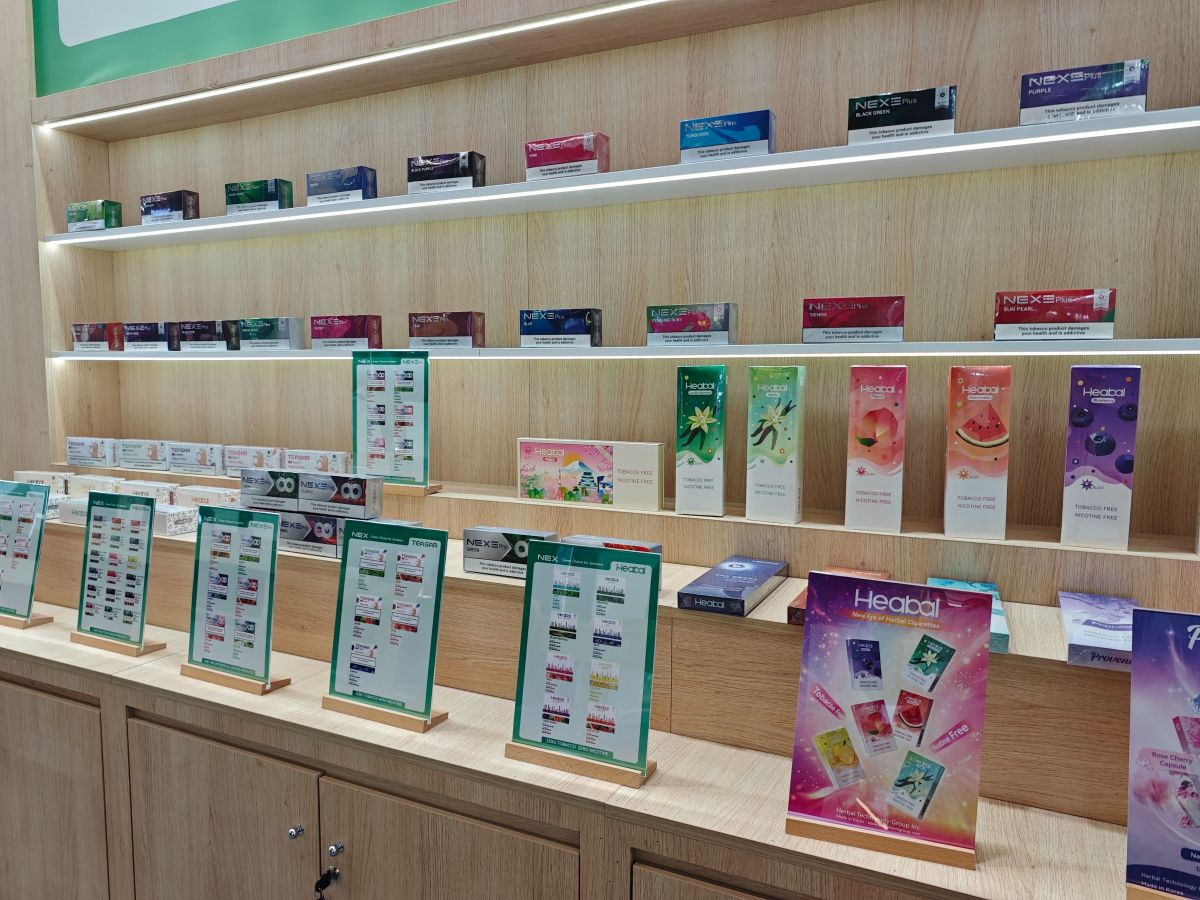
Health experts and advocates point out that representatives from multiple e-cigarette brands have been found distributing free e-cigarette devices and flavor pods to customers at popular hotspots in the Manila metropolitan area, such as bars, for them to try that evening.


ImagineLaw Executive Director Sophia Monica San Luis stated that


This is not only an irresponsible marketing behavior, but also a predatory behavior. The brand is very clear about who their target audience is - young people who go out for fun, are easily influenced by their peers, and have limited awareness of health risks.


The Republic Act No. 11900, also known as the "Vaporized Nicotine and Non-Nicotine Products Regulation Act," passed in the Philippines in 2022, clearly prohibits the promotion of related products to minors and restricts any advertising activities that may appeal to young people. This includes distributing free samples, using youthful design elements, sponsoring various events, and collaborating with public figures.


San Luis further pointed out that such behavior has constituted a clear violation of the law.


The Southeast Asia Tobacco Control Alliance (SEATCA) has also expressed concerns about the trend of "bar marketing" and pointed out that flavored e-cigarettes typically have candy or fruit flavors, as part of a broader strategy to attract first-time users.


The public health organization is currently urging the Department of Trade and Industry (DTI) and the Department of Health (DOH) to investigate and crack down on these illegal promotional activities.

We welcome news tips, article submissions, interview requests, or comments on this piece.

Please contact us at info@2firsts.com, or reach out to Alan Zhao, CEO of 2Firsts, on LinkedIn


Notice

1.  This article is intended solely for professional research purposes related to industry, technology, and policy. Any references to brands or products are made purely for objective description and do not constitute any form of endorsement, recommendation, or promotion by 2Firsts.

2.  The use of nicotine-containing products — including, but not limited to, cigarettes, e-cigarettes, nicotine pouchand heated tobacco products — carries significant health risks. Users are responsible for complying with all applicable laws and regulations in their respective jurisdictions.

3.  This article is not intended to serve as the basis for any investment decisions or financial advice. 2Firsts assumes no direct or indirect liability for any inaccuracies or errors in the content.

4.  Access to this article is strictly prohibited for individuals below the legal age in their jurisdiction.


Copyright


This article is either an original work created by 2Firsts or a reproduction from third-party sources with proper attribution. All copyrights and usage rights belong to 2Firsts or the original content provider. Unauthorized reproduction, distribution, or any other form of unauthorized use by any individual or organization is strictly prohibited. Violators will be held legally accountable.

For copyright-related inquiries, please contact: info@2firsts.com


AI Assistance Disclaimer


This article may have been enhanced using AI tools to improve translation and editorial efficiency. However, due to technical limitations, inaccuracies may occur. Readers are encouraged to refer to the cited sources for the most accurate information.

We welcome any corrections or feedback. Please contact us at: info@2firsts.com

FIFA Bans Vaping in 2026 World Cup Stadiums, Putting Nicotine Rules in Event Compliance Focus
FIFA’s 2026 World Cup stadium rules prohibit smoking, vaping and the use of any tobacco products or electronic smoking devices inside stadiums, including inner and outer perimeters, while electronic smoking devices, tobacco products, lighters and matches are listed as prohibited items, bringing nicotine-product management, venue compliance and cross-border legal differences into focus at a major global sporting event.
Jul.06
Product | JT Launches Ploom AURA Glacier White in Japan, Expanding the Device Ecosystem Through Color and Accessories
Japan Tobacco Inc. (JT) has introduced the Ploom AURA Glacier White heated tobacco device in Japan, adding a new color option to the existing Ploom AURA lineup. The device maintains the existing SMART HEATFLOW technology and HEAT SELECT SYSTEM with four heating modes, while expanding the ecosystem through new accessories including front panels, back covers, a car holder and wireless charging covers. The product entered pre-sale in Japan on June 30, 2026, followed by broader retail availability from July 7.
Aug.03
How AI Is Rewriting the Talent Playbook for the Nicotine Industry: JTI’s Case
AI is moving from a back-office tool to a core organizational capability in the nicotine industry. Based on JTI’s responses, this 2Firsts feature examines how AI is reshaping talent strategy, internal mobility, decision-making and human accountability as global tobacco companies compete in the shift toward new nicotine categories.
Jun.17
Japan’s Heated Tobacco Tax Changes Reshape Consumer Choices, Survey Reveals Impact of Price and Income
A consumer survey by Japanese heated tobacco information platform RELAZO found that rising tobacco prices and planned heated tobacco tax changes may influence smoking decisions among Japanese consumers. The survey covered 49,879 men and women aged 20 to 69 nationwide. It found that around 40% of respondents cumulatively indicated they may consider quitting when a pack reaches ¥600 (approximately US$4.1), while nearly 90% expressed potential quitting intentions at a ¥1,000 (approximately US$6.8) price level. The survey also found significant differences by income level, with lower-income respondents showing greater sensitivity to price increases.
Jul.24
Italy and Greece Oppose Ireland’s Nicotine Product Bill, Raising EU Regulatory Concerns
Italy and Greece have opposed Ireland’s proposed nicotine product regulations, arguing that the measures could affect EU market coordination and the free movement of products. Ireland plans to introduce stricter rules covering nicotine products including vapes and nicotine pouches, with measures involving packaging, marketing and sales controls. The dispute highlights differences among EU member states between stronger public health protections and maintaining regulatory consistency within the bloc’s single market.
Jul.29
UK Sets Oct. 29 Start for New Vape Retail Rules Covering Age Checks, Giveaways and Discounts
The UK Department of Health and Social Care published new guidance on Aug. 11 outlining the next phase of retail rules under the Tobacco and Vapes Act 2026, which will take effect on Oct. 29, 2026. The measures extend the minimum age of sale of 18 to all vaping and consumer nicotine products and restrict proxy purchasing, promotional giveaways and substantial discounts. Relevant offences in England, Wales and Scotland may carry a £200 fixed penalty notice, while persistent offenders can face temporary sales bans.
Aug.12